the fantastical reconstruction of the epine GY7
an archive of rubbings and large-scale, “impossible” reconstructions of the iconic icelandic shipwreck.
SOLO SHOW, MOCA TUCSON, US
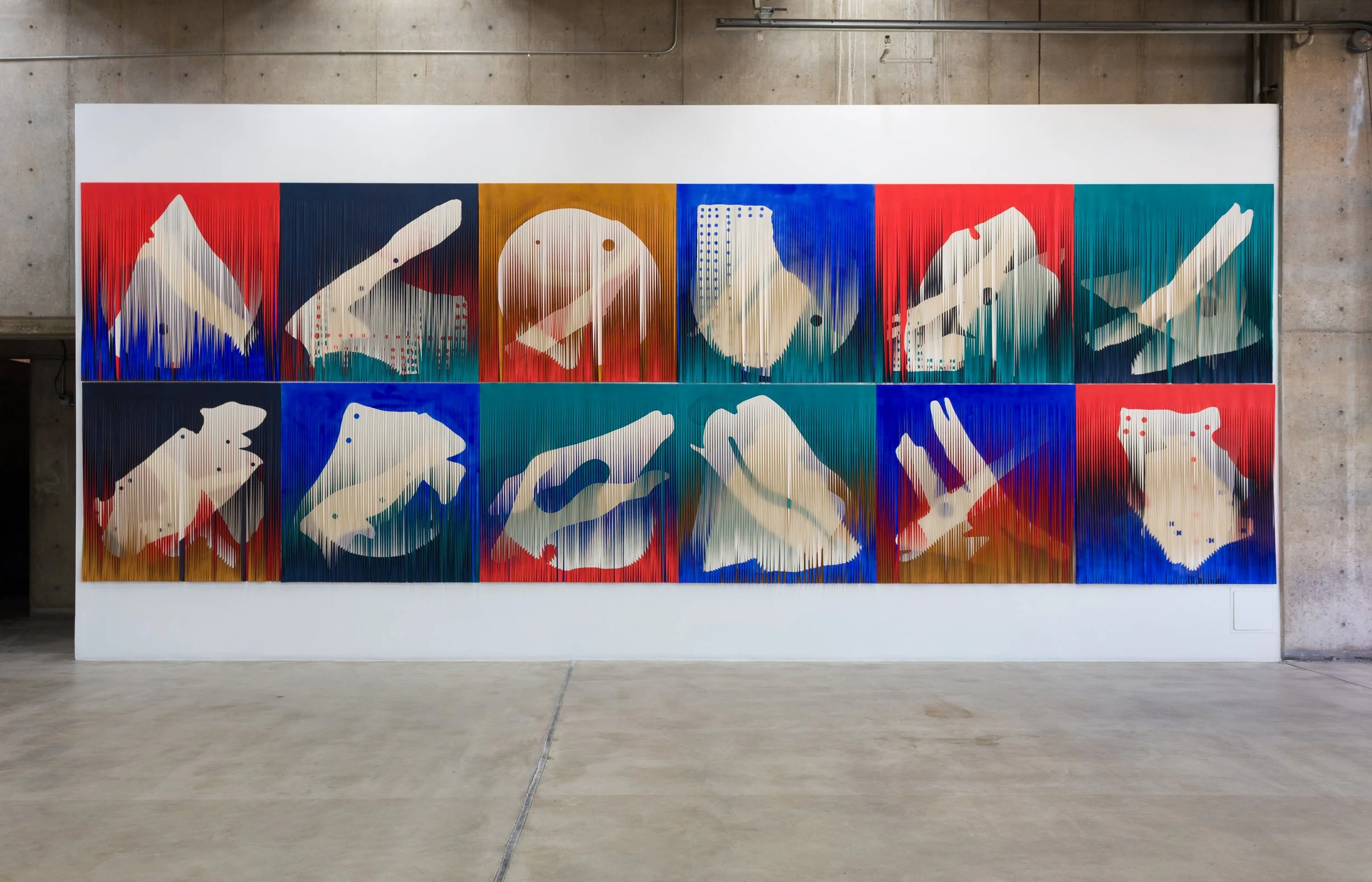
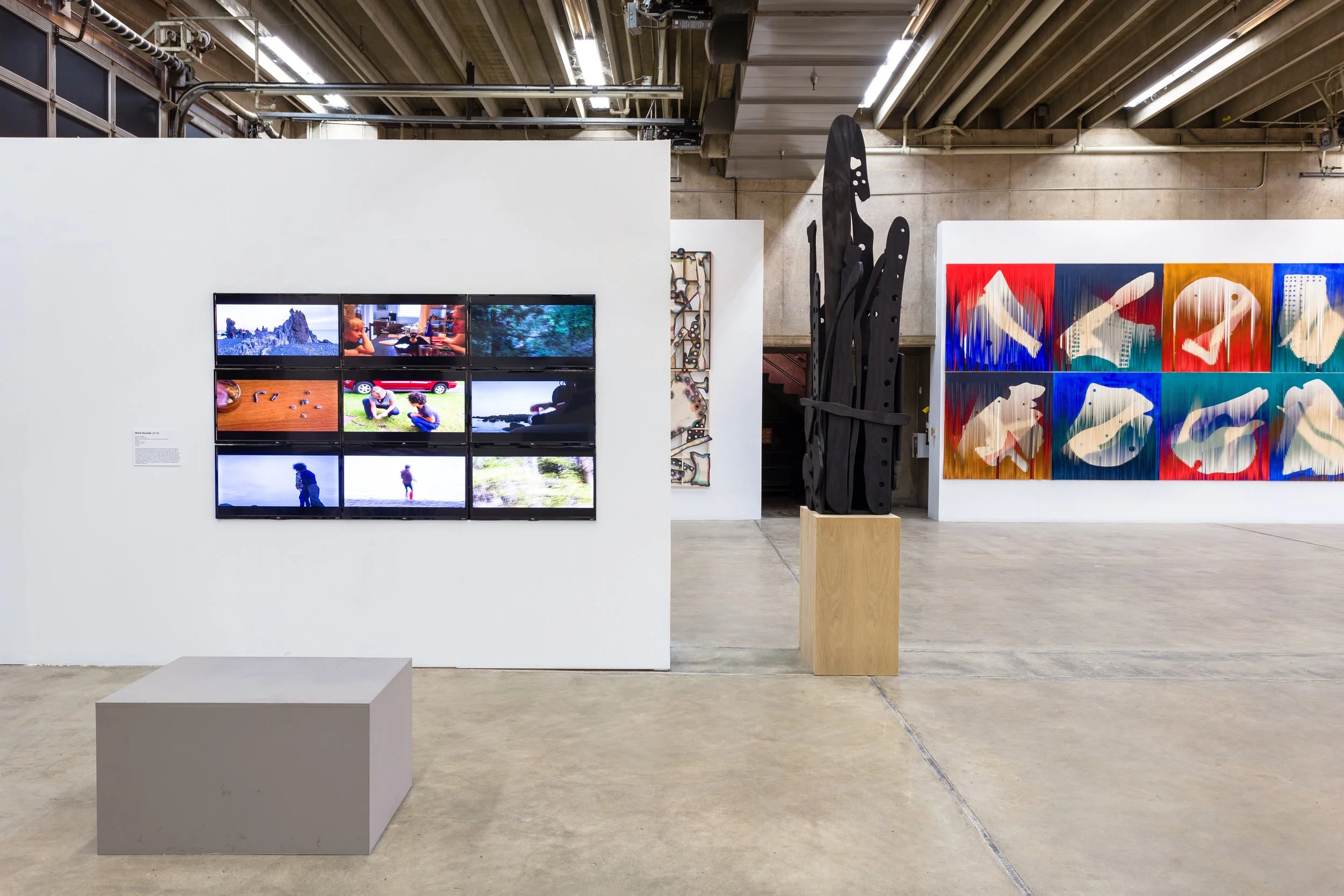
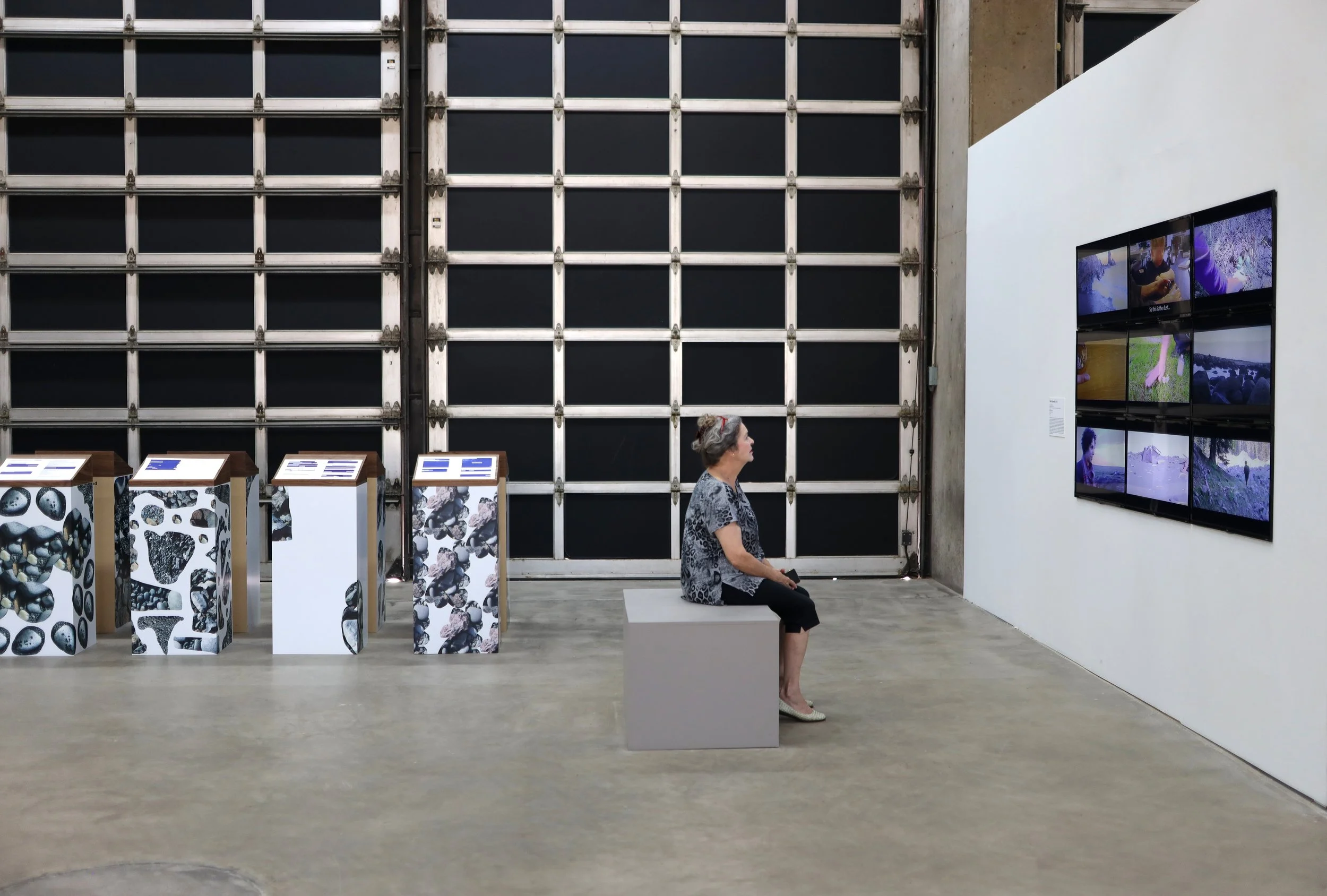
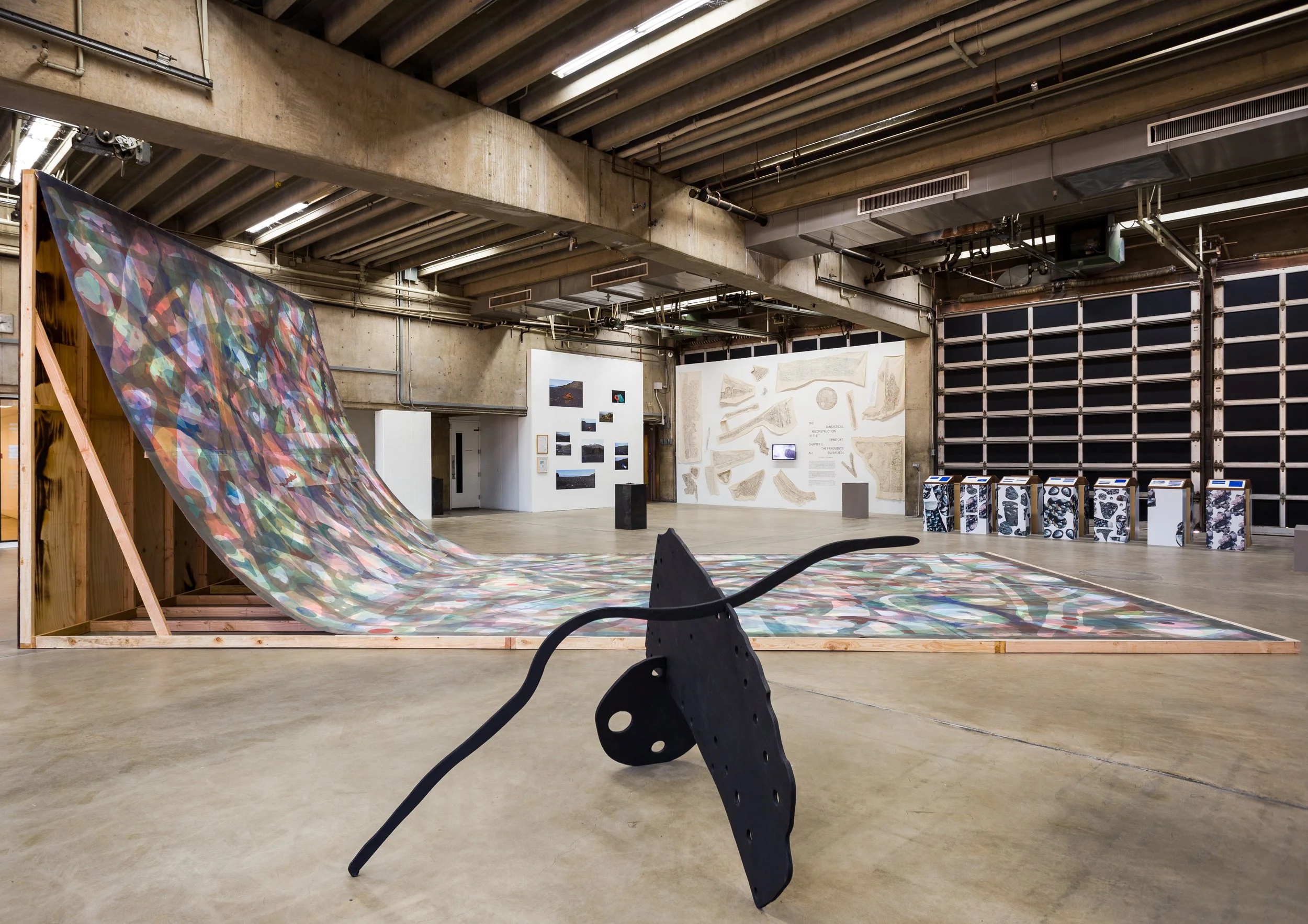
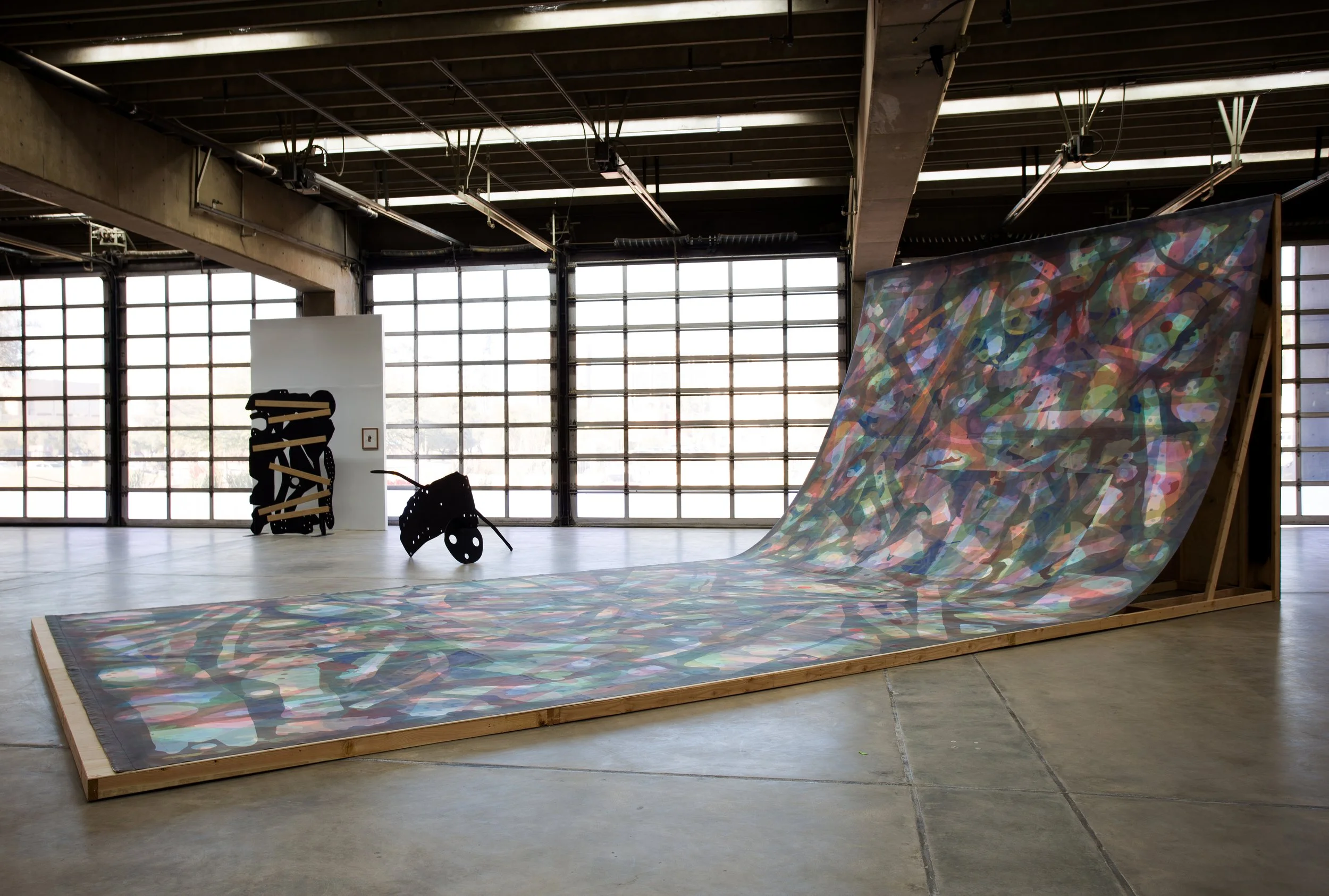
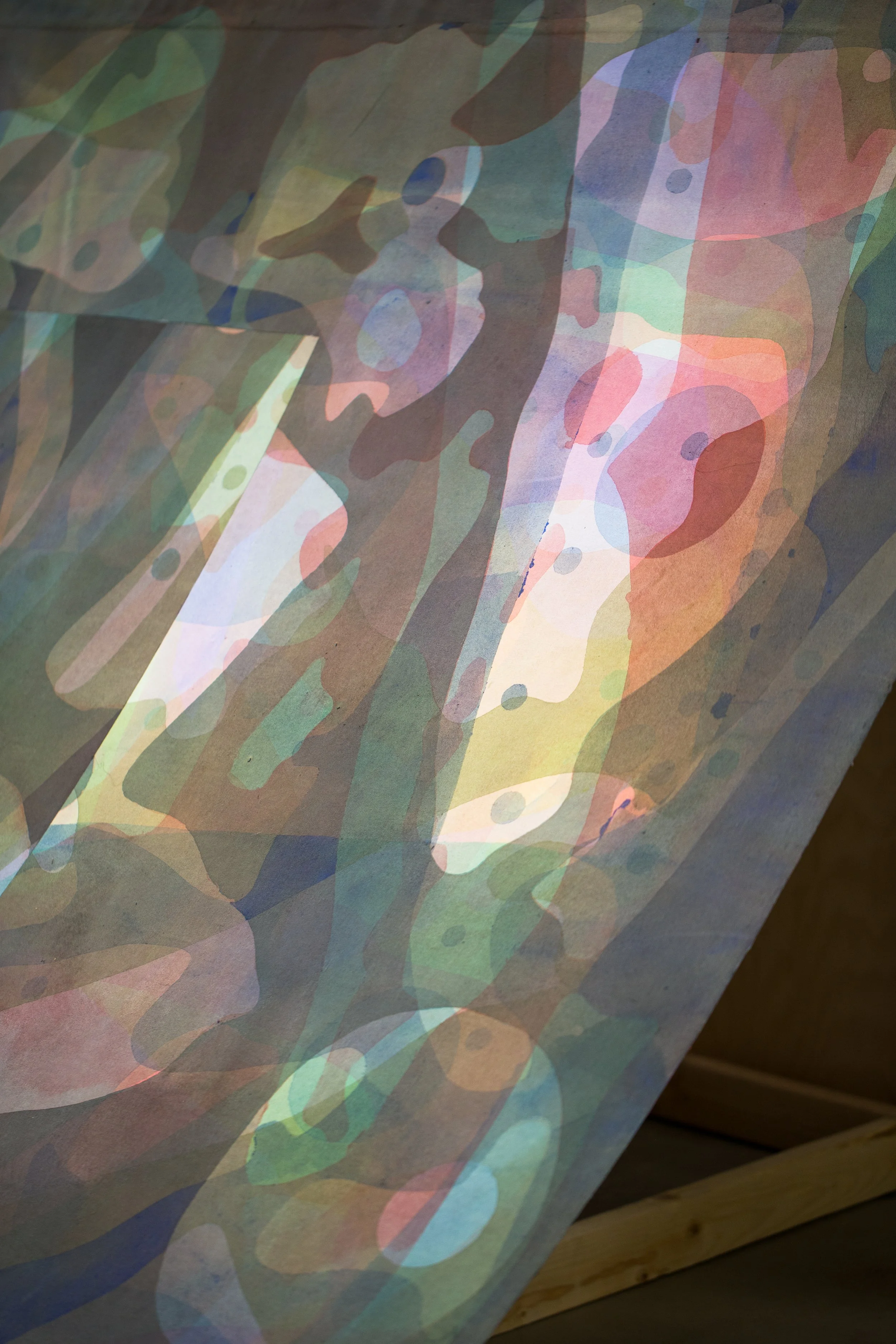

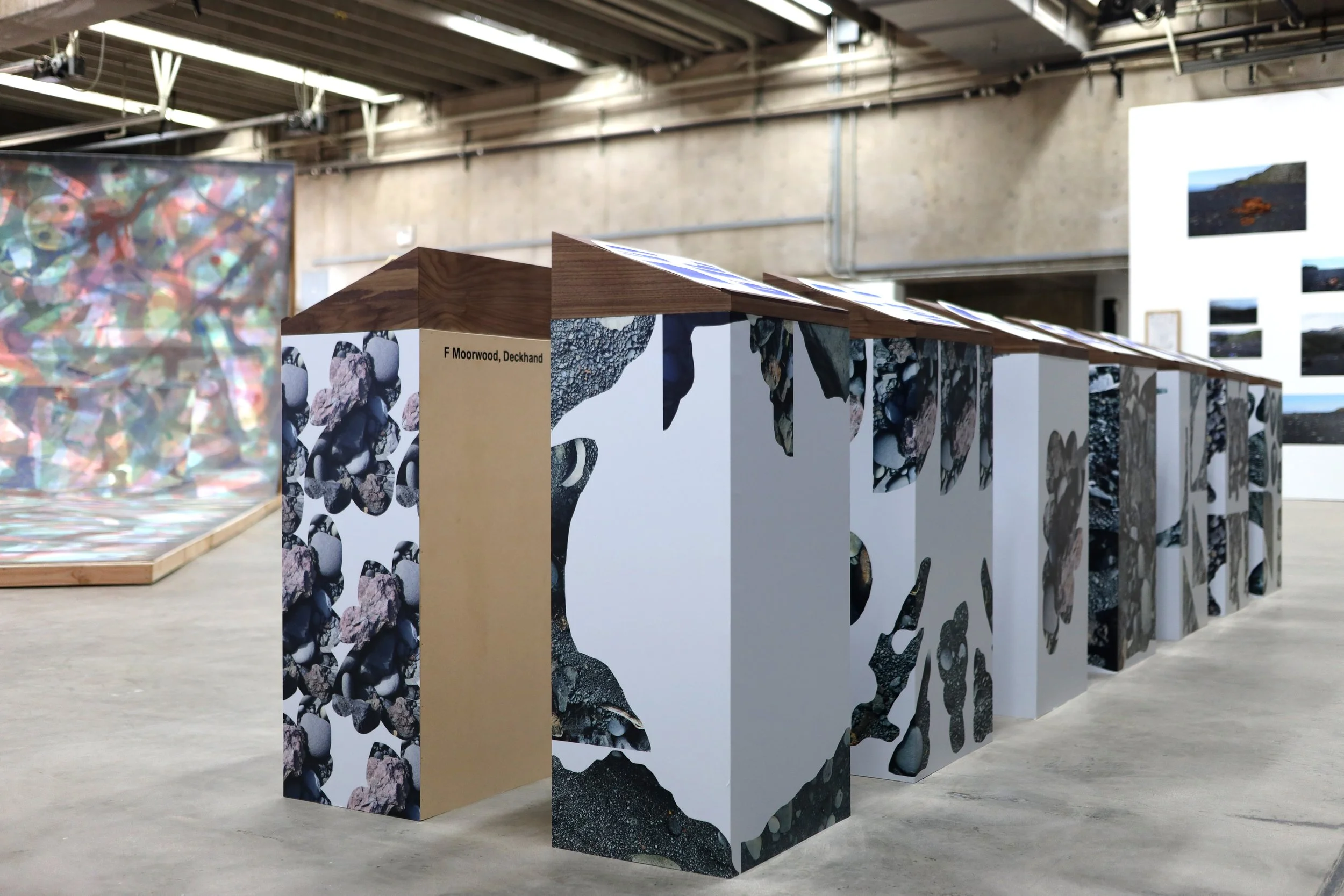
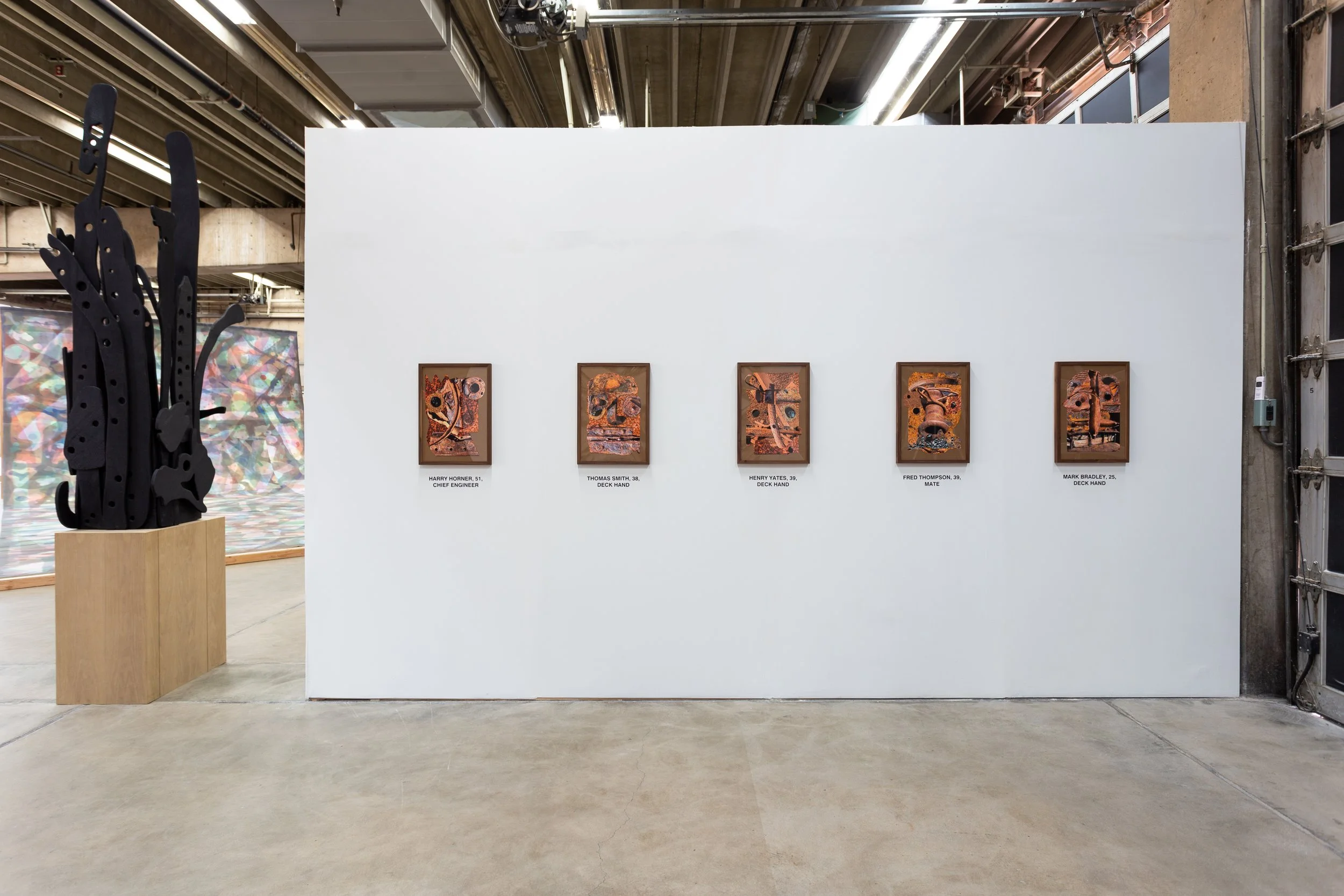
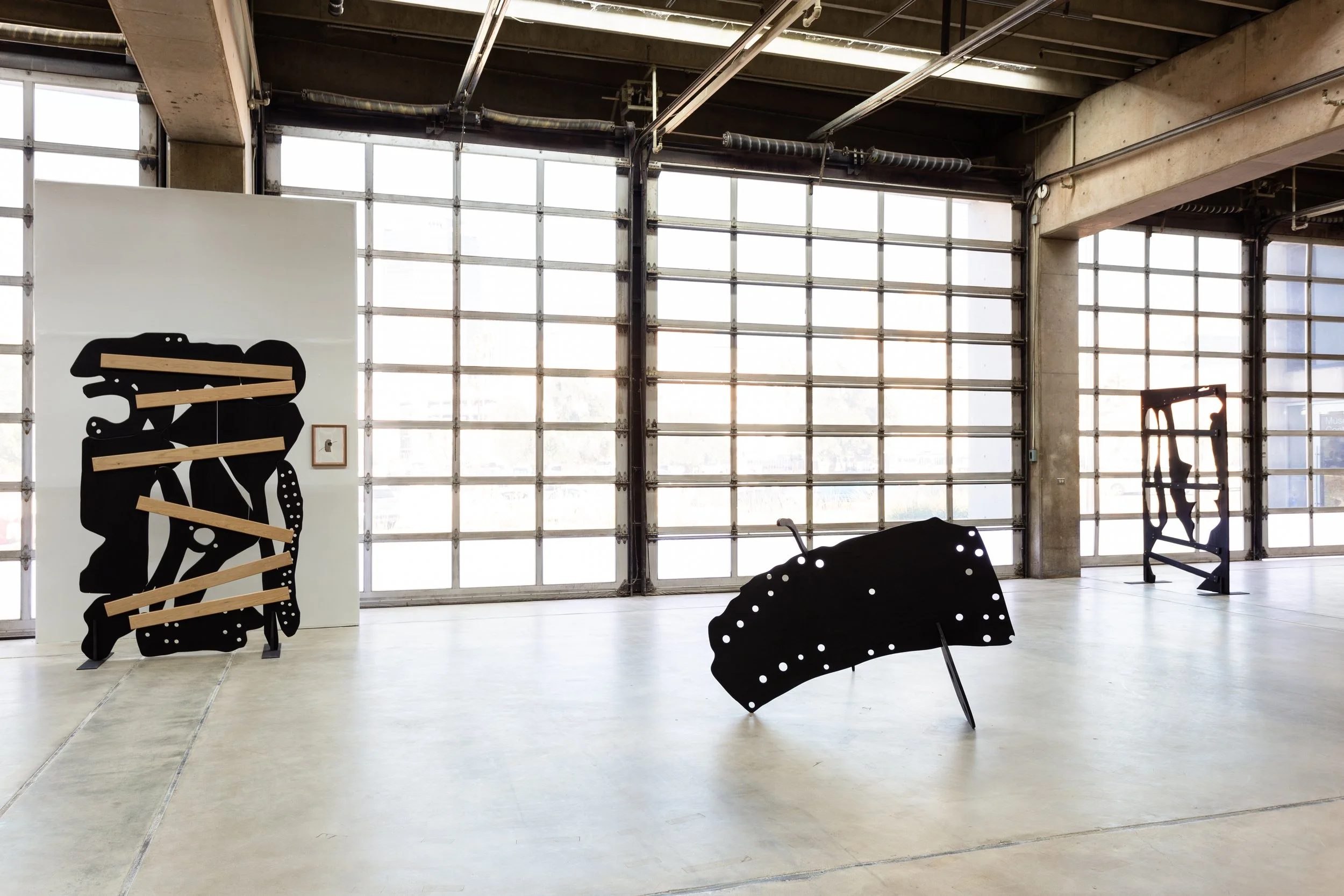
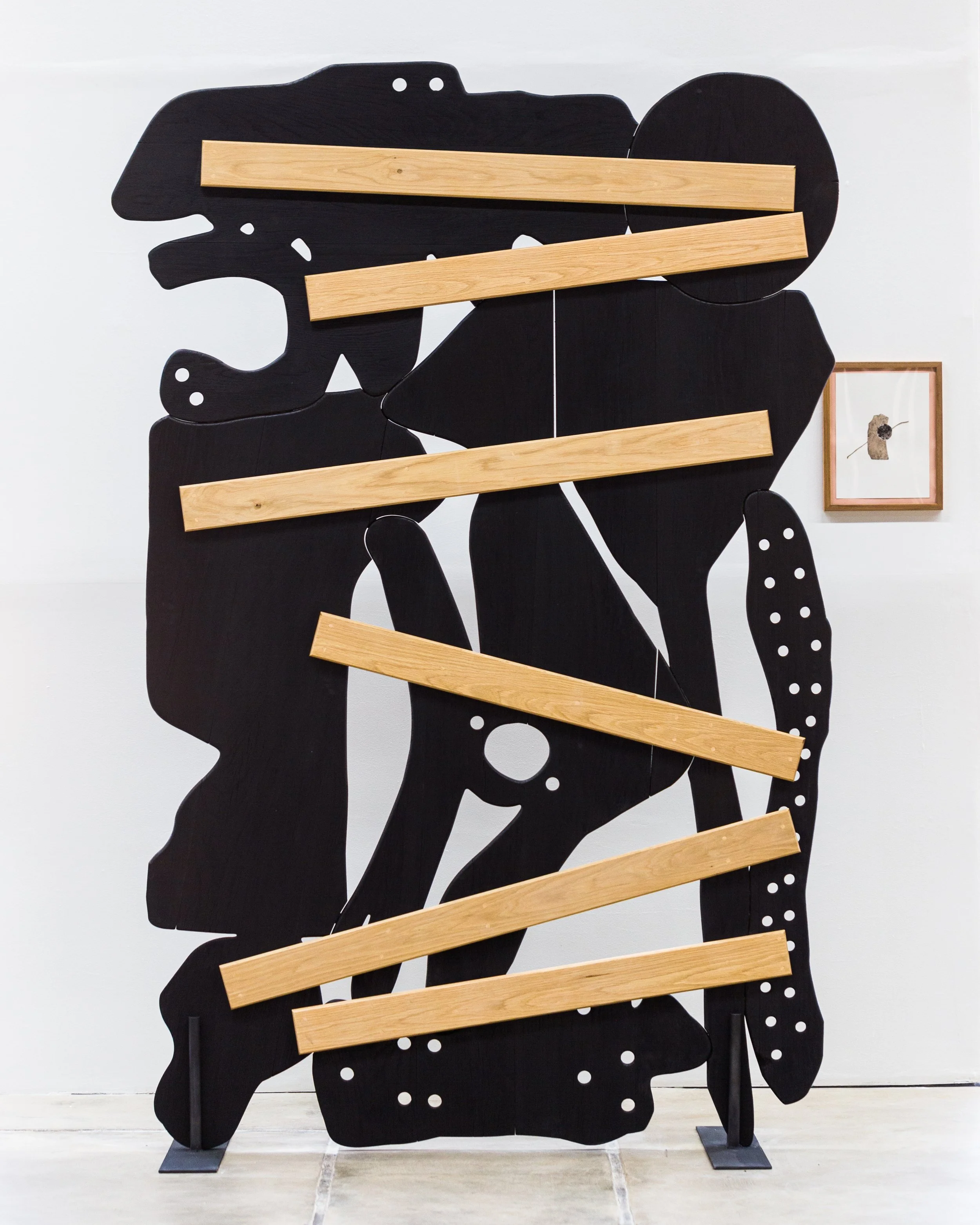
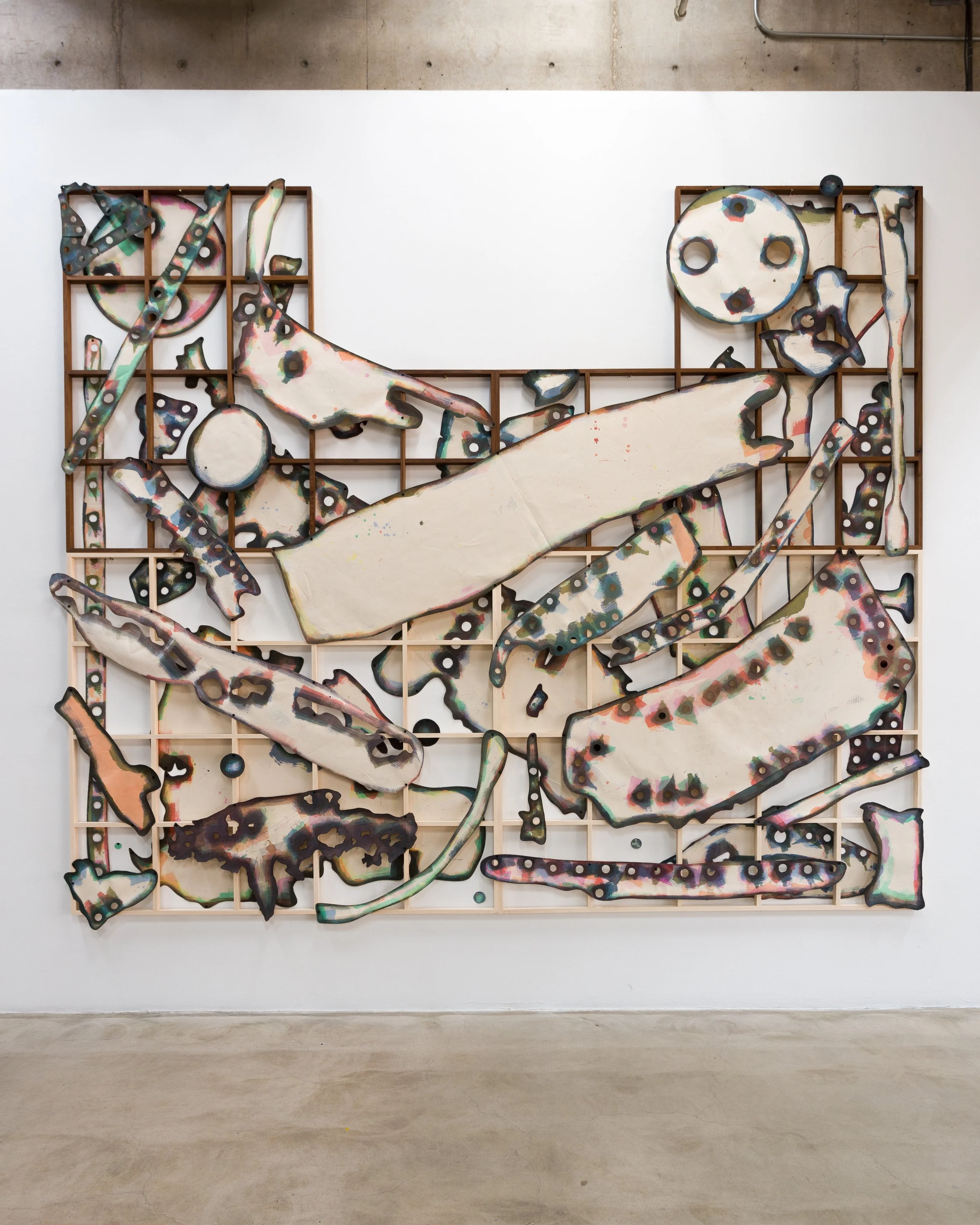
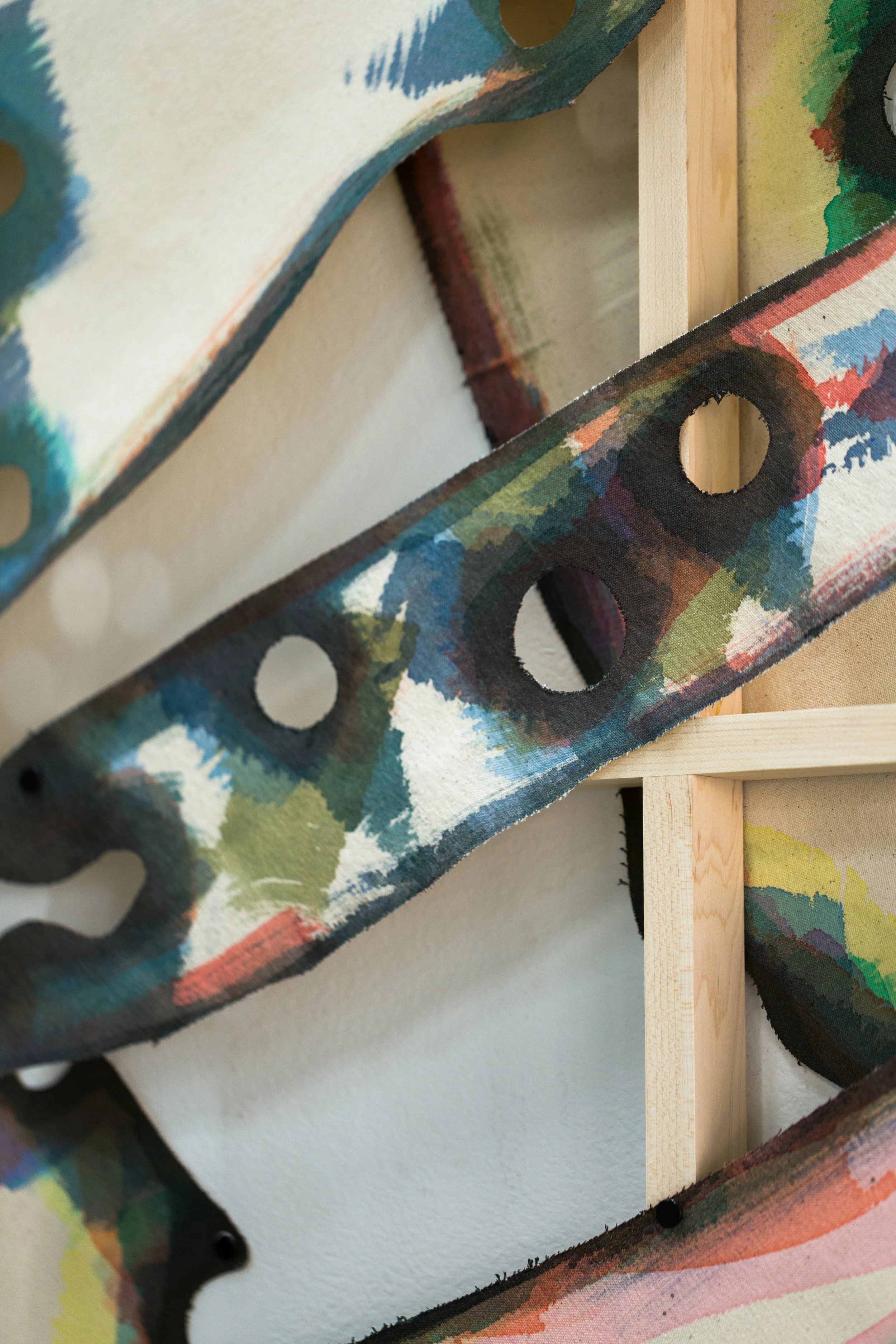
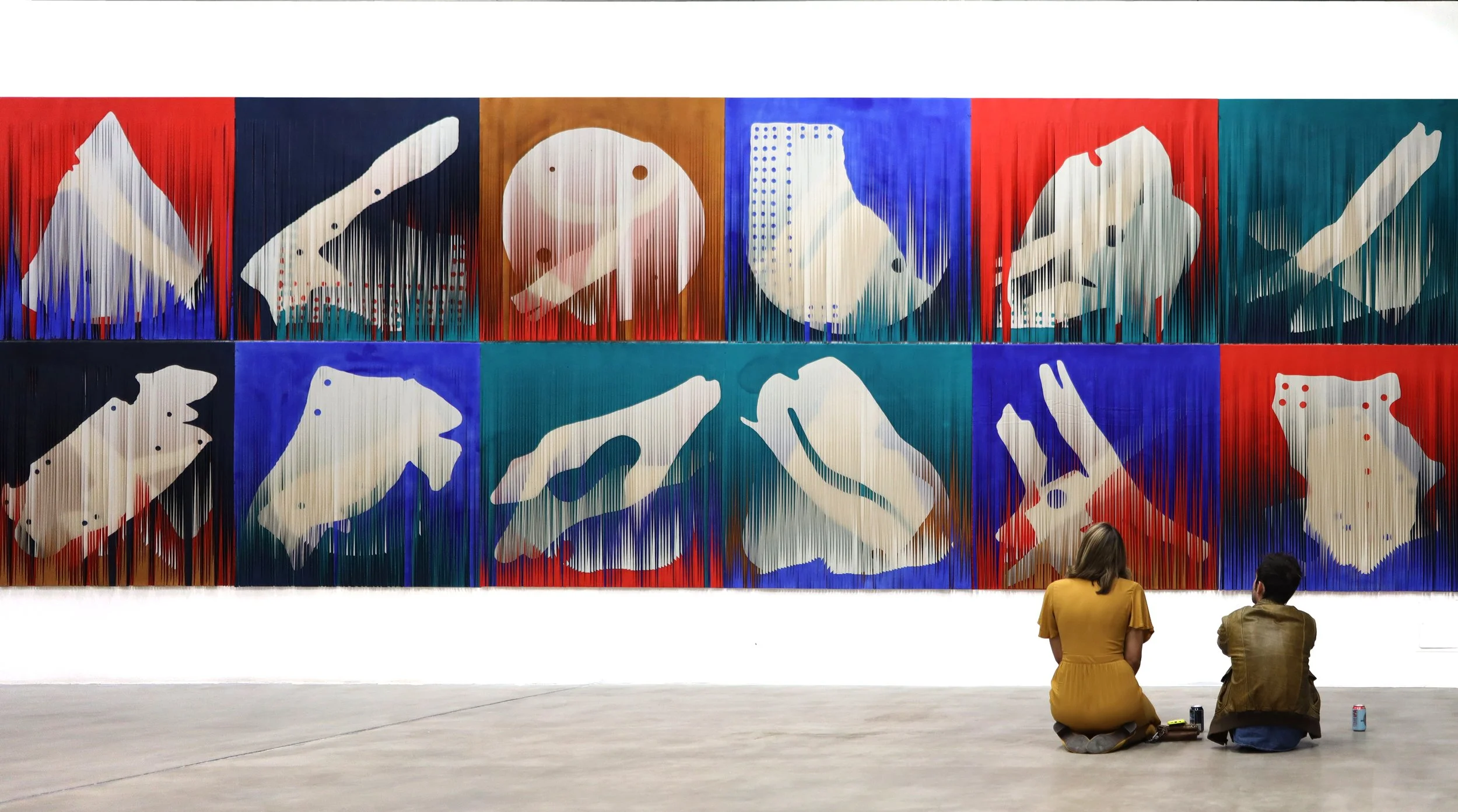


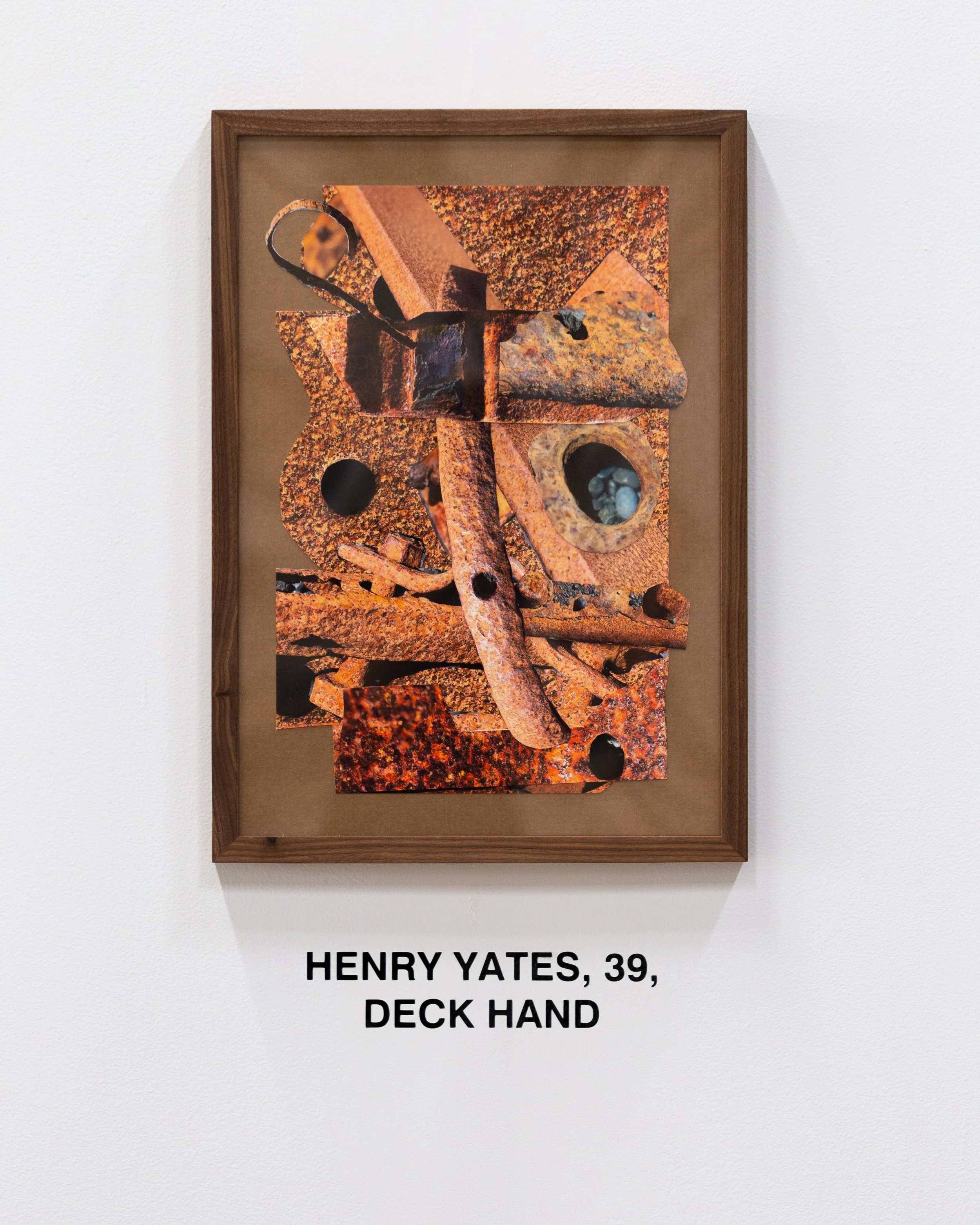
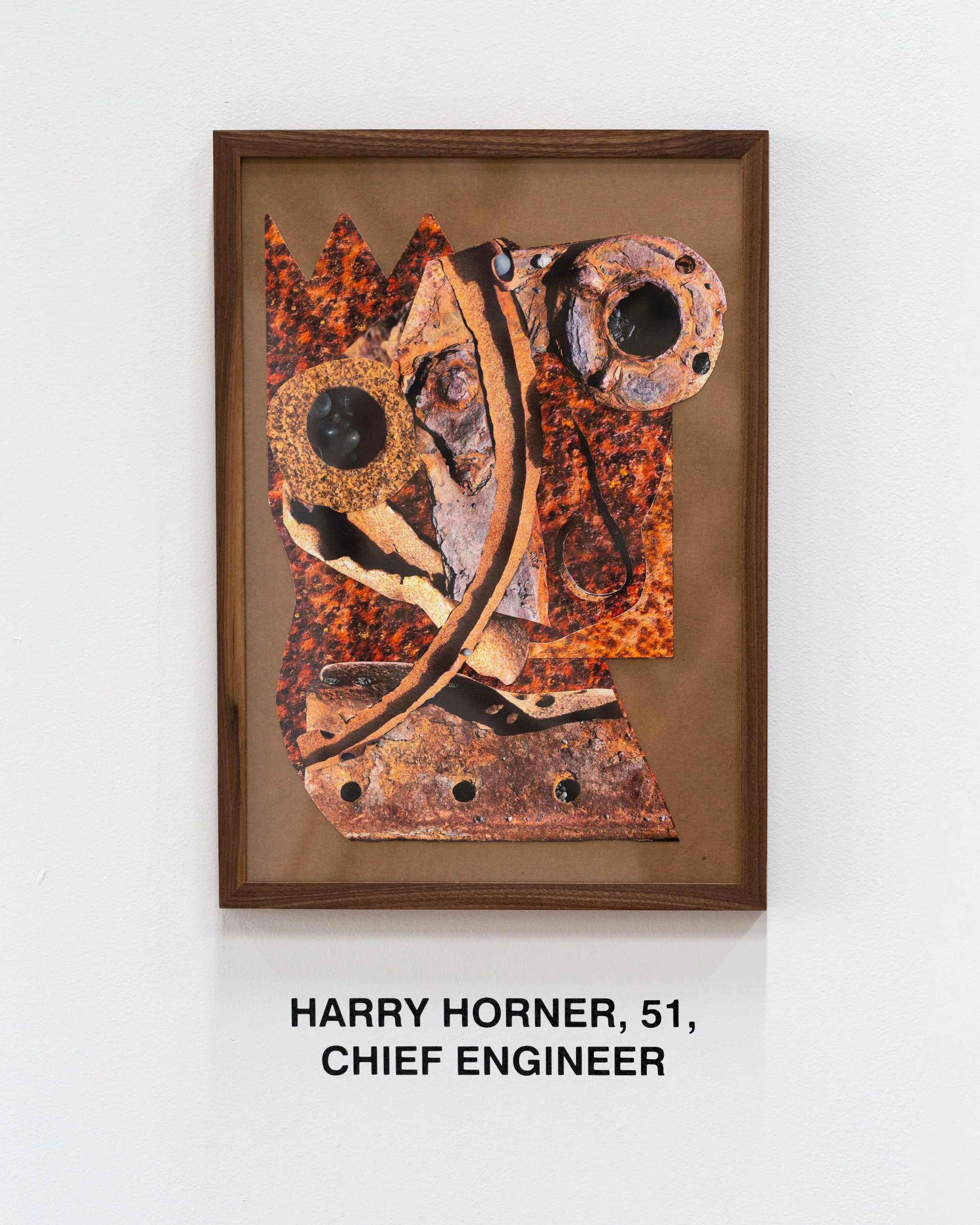

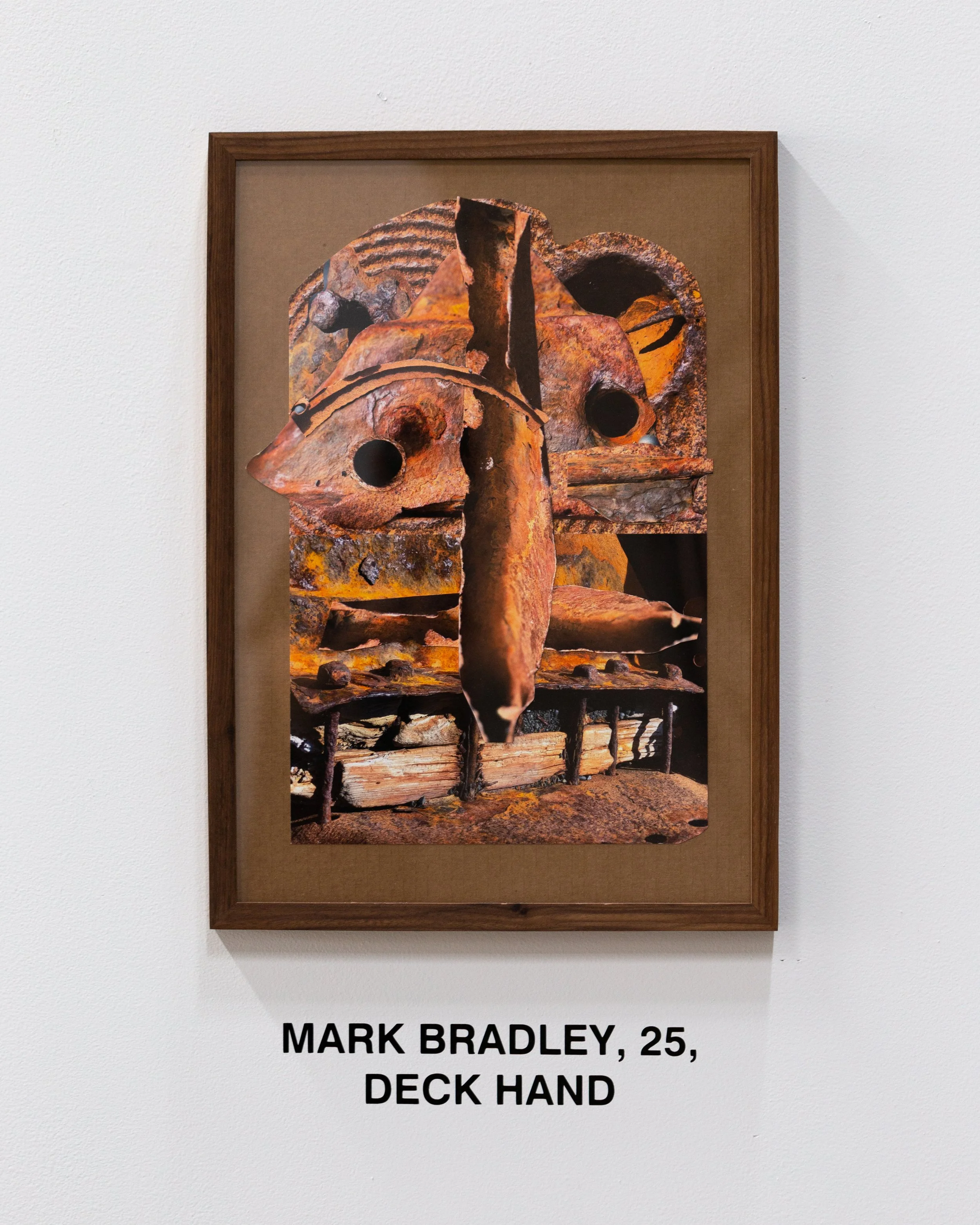
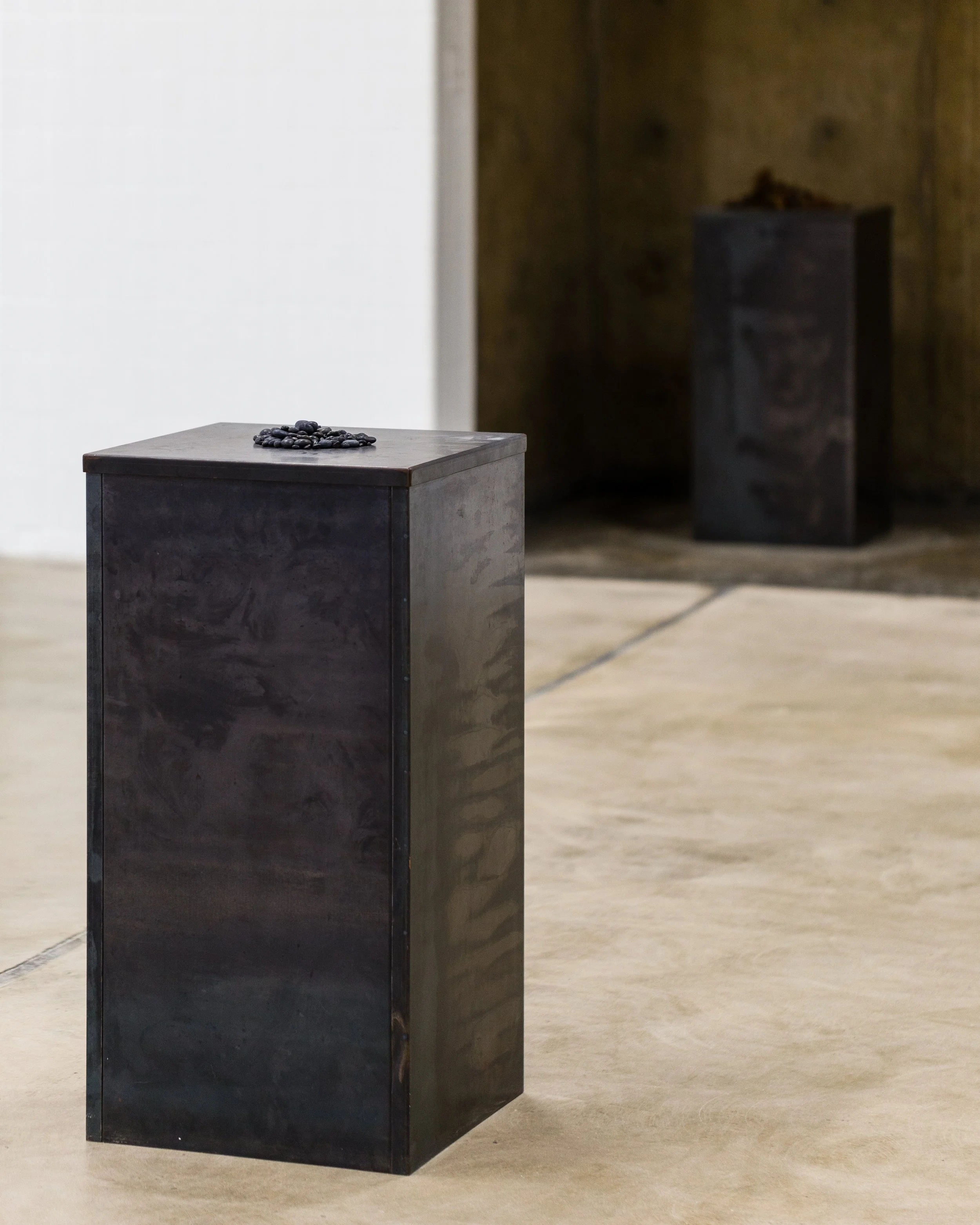
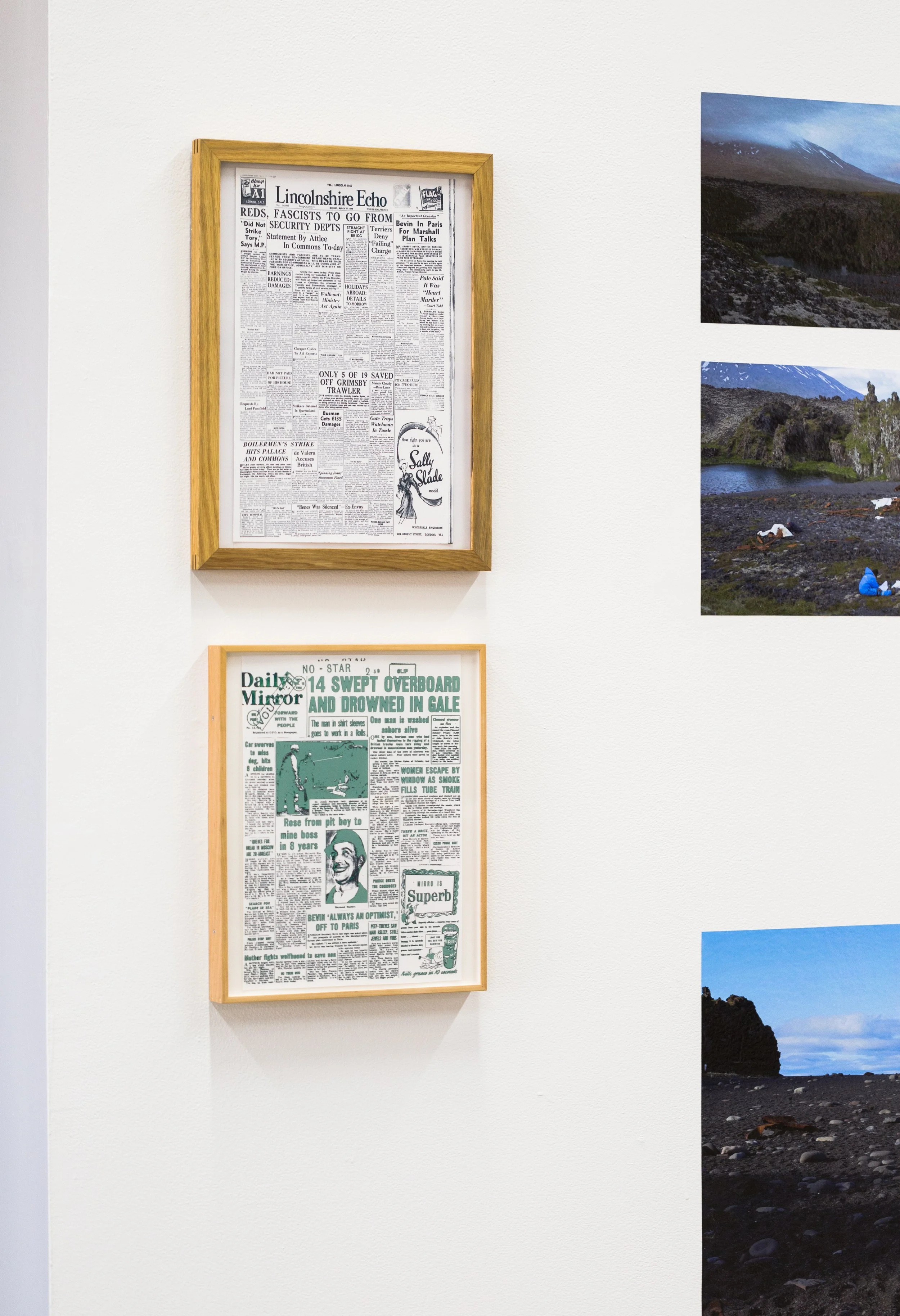
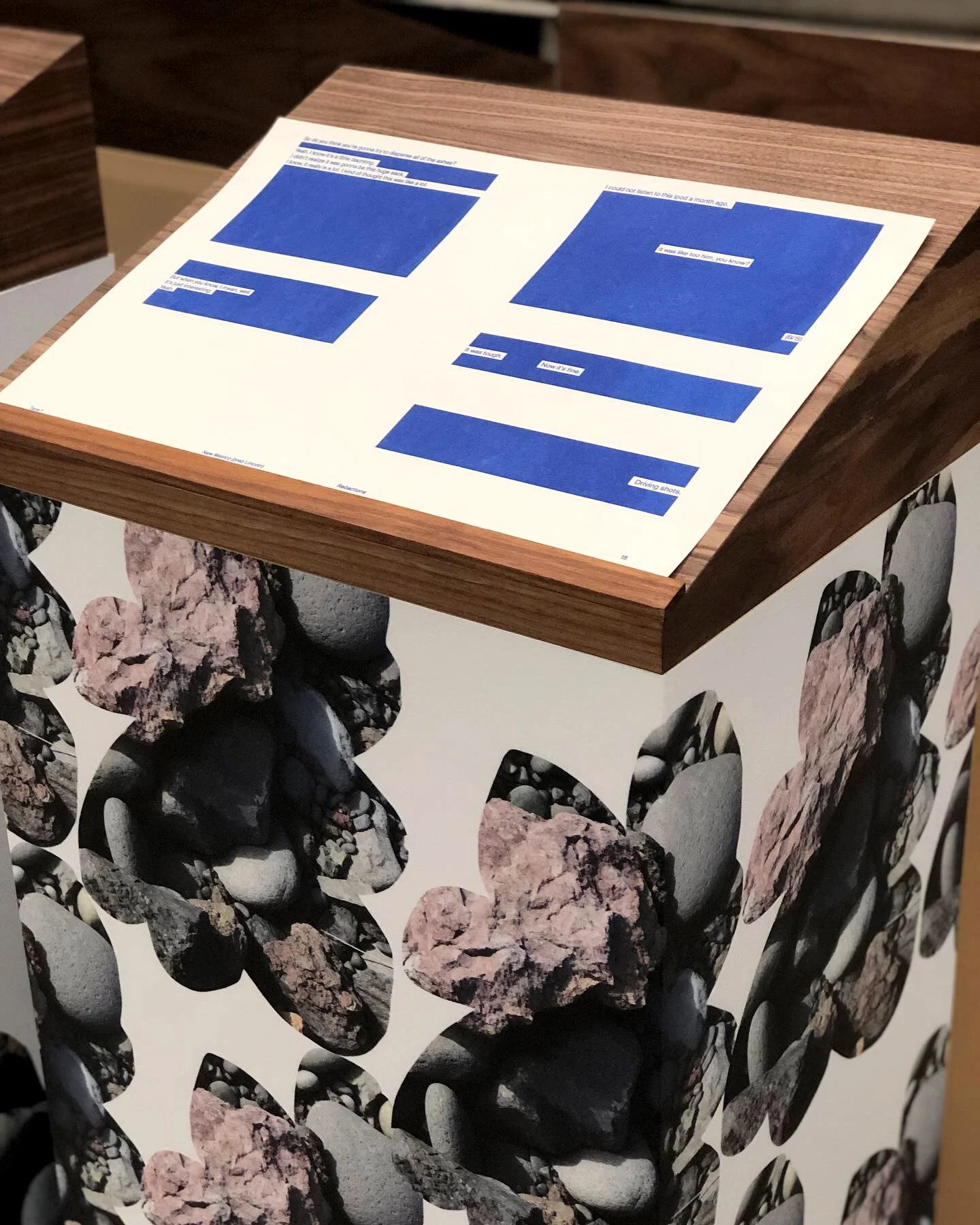
The Fantastical Reconstruction of The Epine GY7
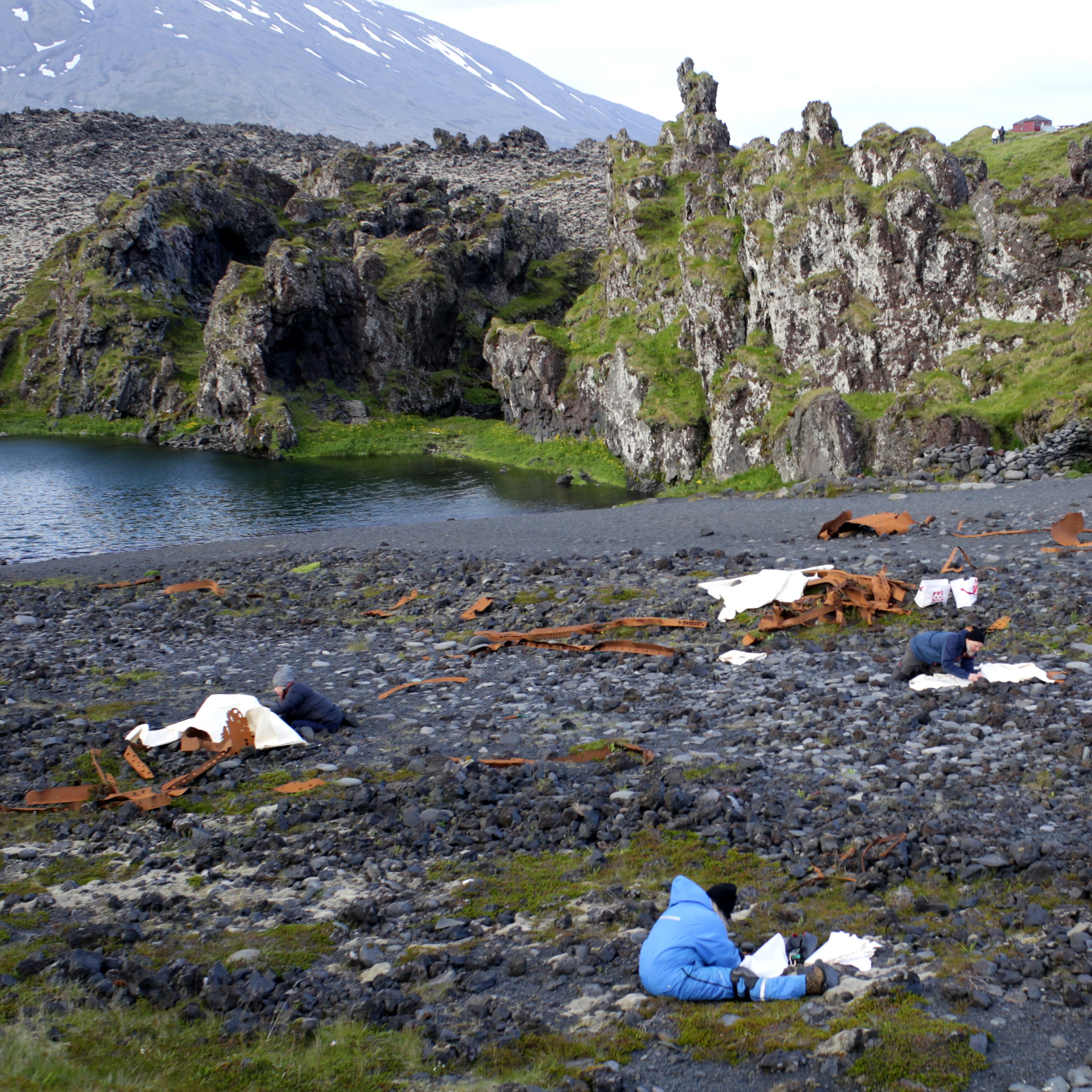
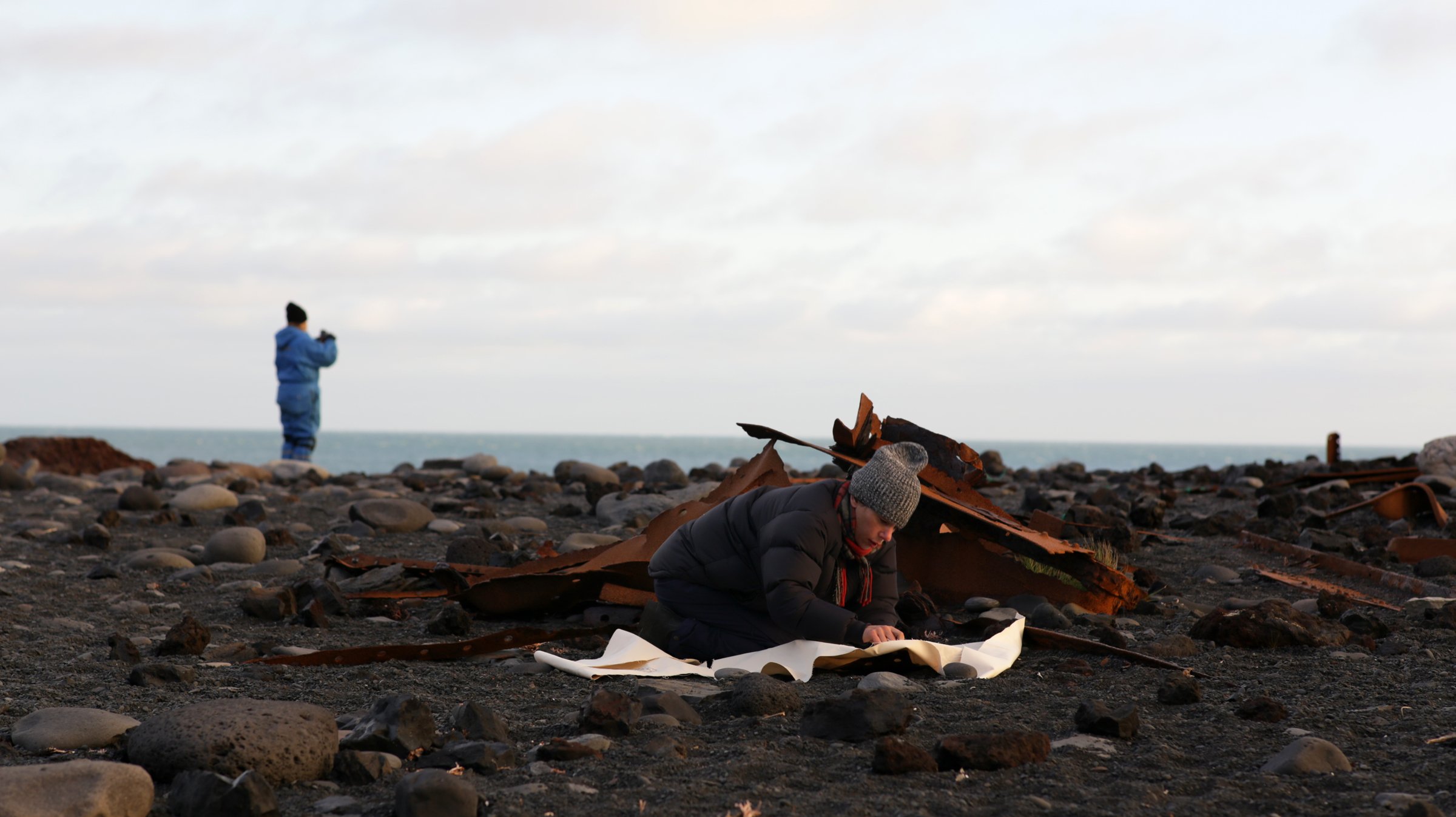
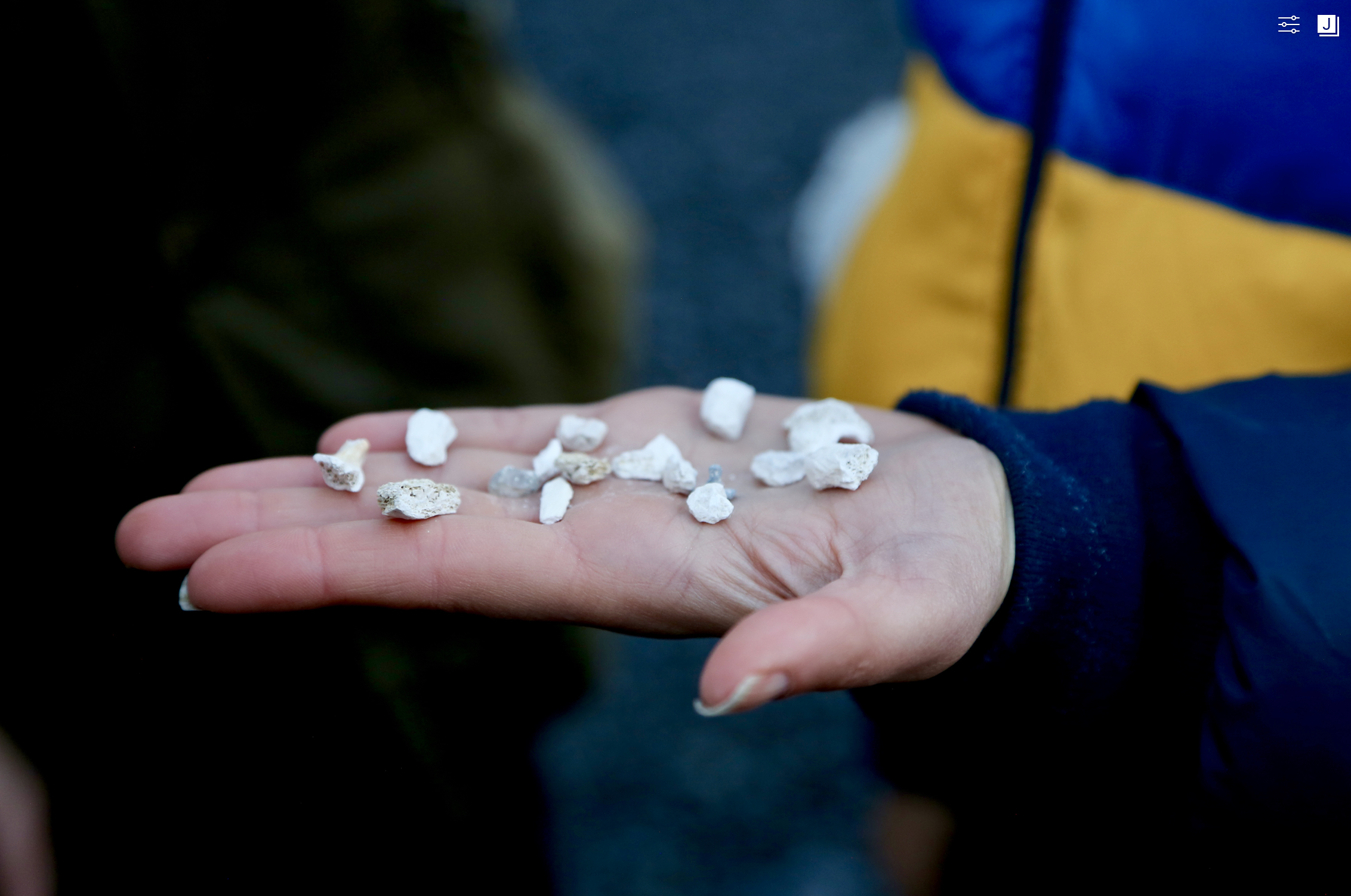
In the middle of a winter night in 1948, off the western coast of Iceland, a British fishing trawler called the Epine GY7 smashed into rocks. Unrecognizable as the ship it once was, these sculptural, oxidized remains have been left to rust for the past 70 years.
In 2009, Silverstein scattered her boyfriend’s ashes on this beach, in this landscape of fragments. Over the course of a year, she filmed her journey — trying to make sense of his death while continuing to perform the acts of a lover by taking his remains to where she thought he’d want to be. This became the film Afterglow.
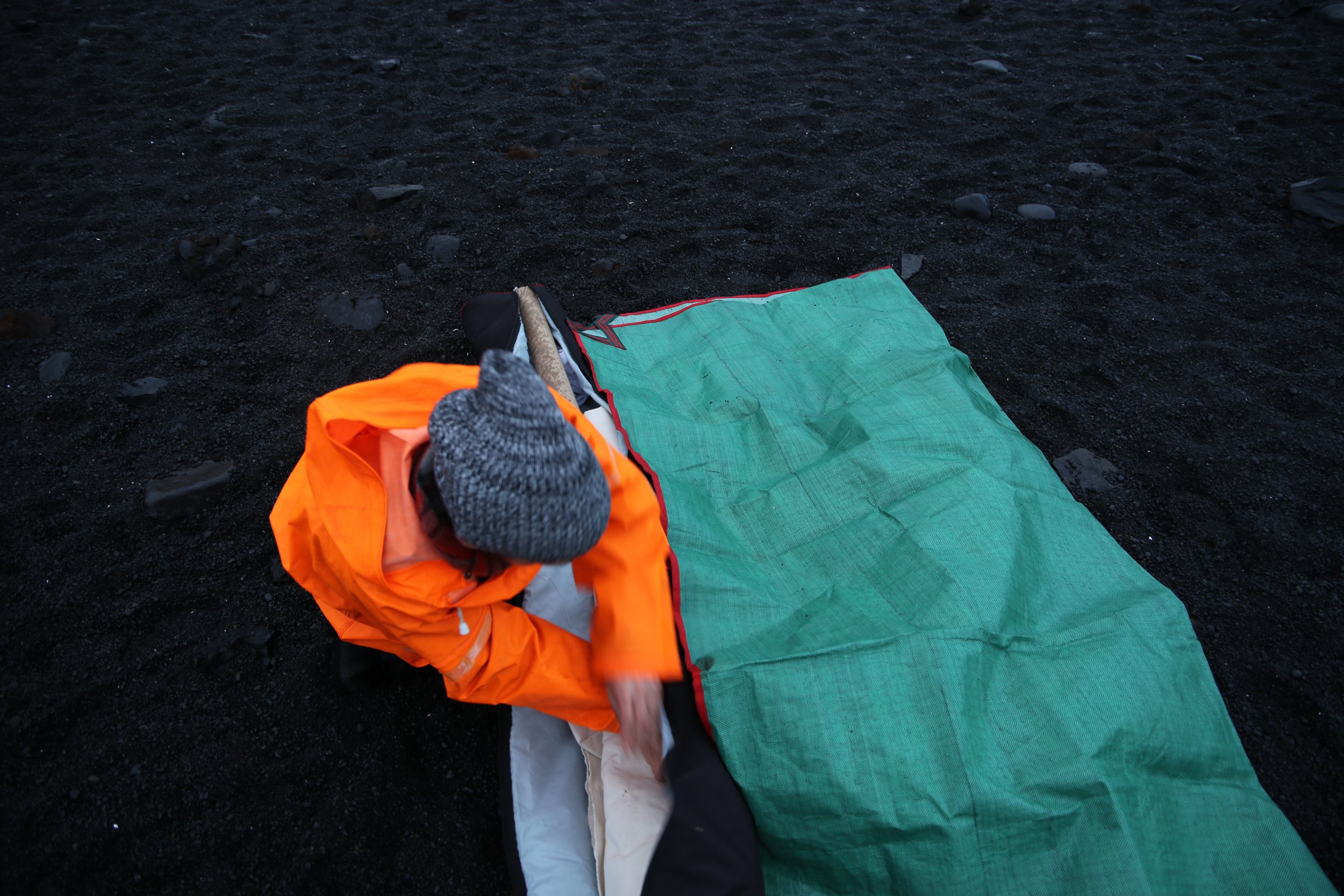
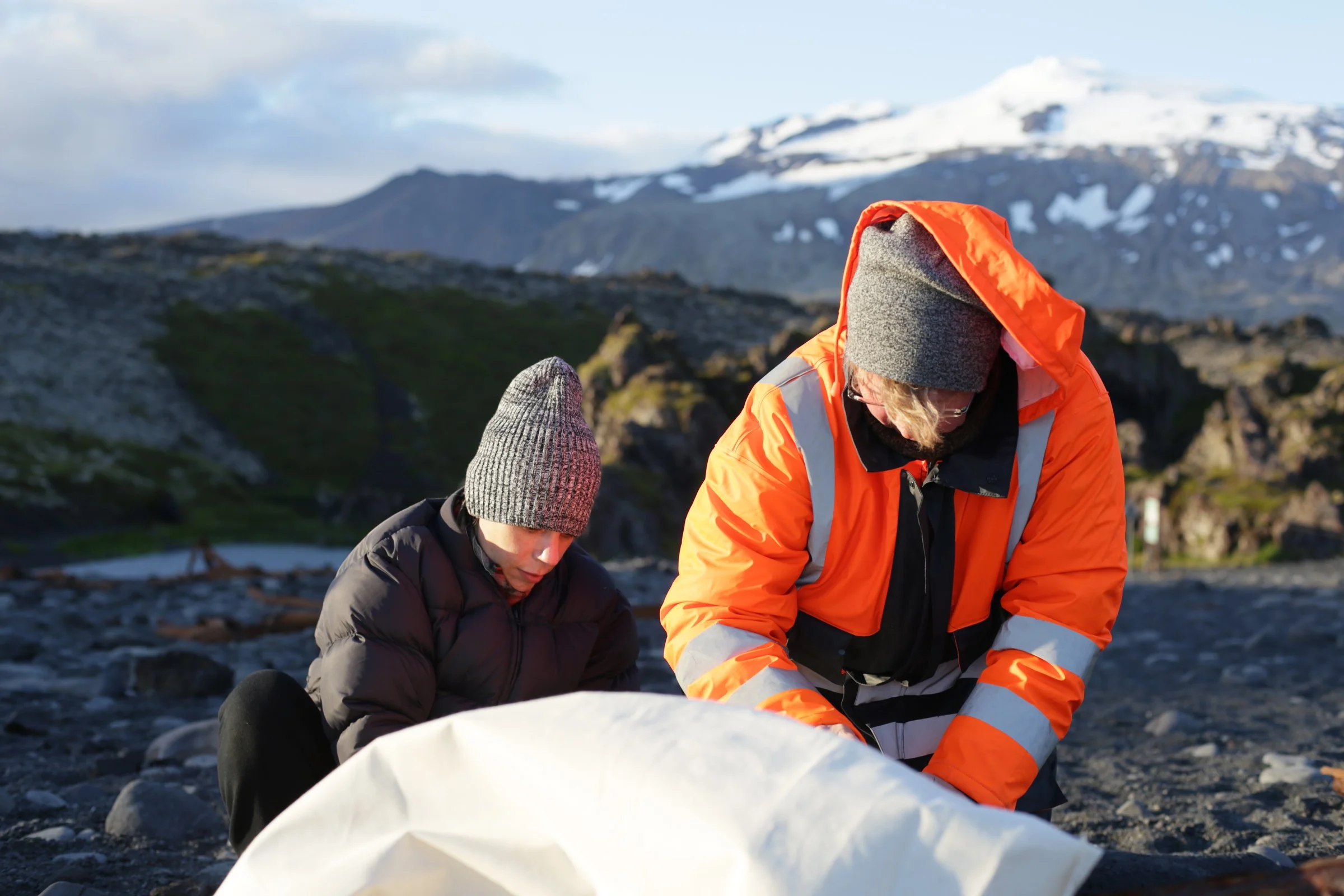
Ten years later, in 2019, she found herself on the same beach, surrounded by the remains of a rusted ship. Feeling compelled to somehow put the wreckage back together, she documented and archived each piece by way of rubbings on canvas, which she brought back to her Los Angeles studio in order to create “fantastical reconstructions” of the ship. These large-scale works became the exhibition at MoCA Tucson: The Fantastical Reconstruction of the Epine GY7.
Inherent in Silverstein’s practice is this same desire to take apart and piece back together fragments of her own work. Her studio overflows with stacks, piles, and arrangements of shapes cut from larger pieces of painted canvas which she arranges and rearranges into large-scale layered configurations.
In conjunction with the show at MoCA Tucson, Silverstein worked with Gato Negro publications to create a book documenting these two projects. The first half: redacted transcript of the tapes she shot after the death of her boyfriend — a ghostly text full of frank observations and missing information. The second half: the archive of rubbings of wreckage. Each, a landscape of fragments that invite us to make our own meaning.
At the core of this project is impossibility — the failure that is a shipwreck or a car crash; the failure to ever really know; the certain failure of “rebuilding” this ship. But art is a response to knowing something is impossible; not to report but to transform.