The Fantastical Reconstruction of the Epine GY7
Solo exhibition, Museum of Contemporary Art Tucson, 2019
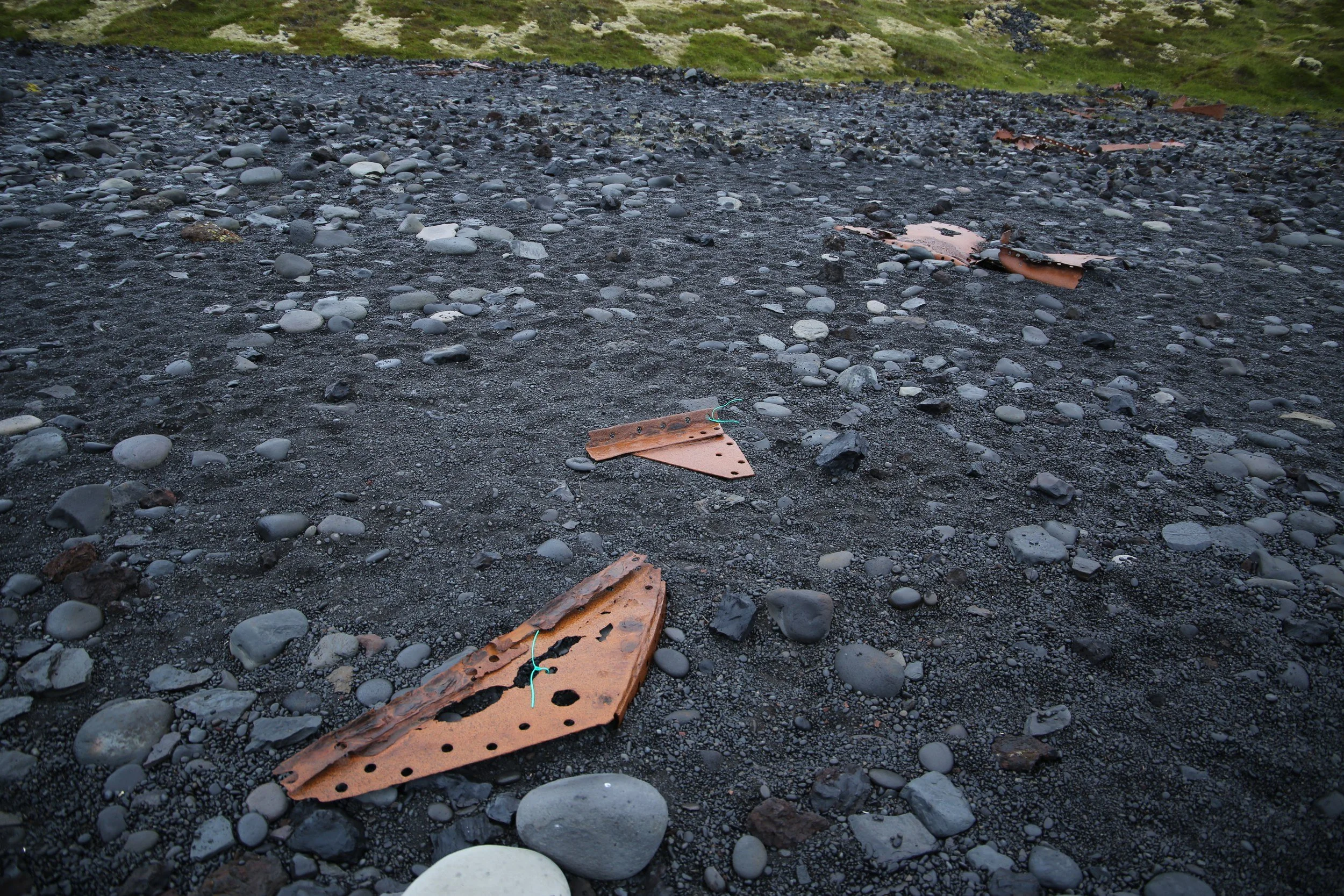
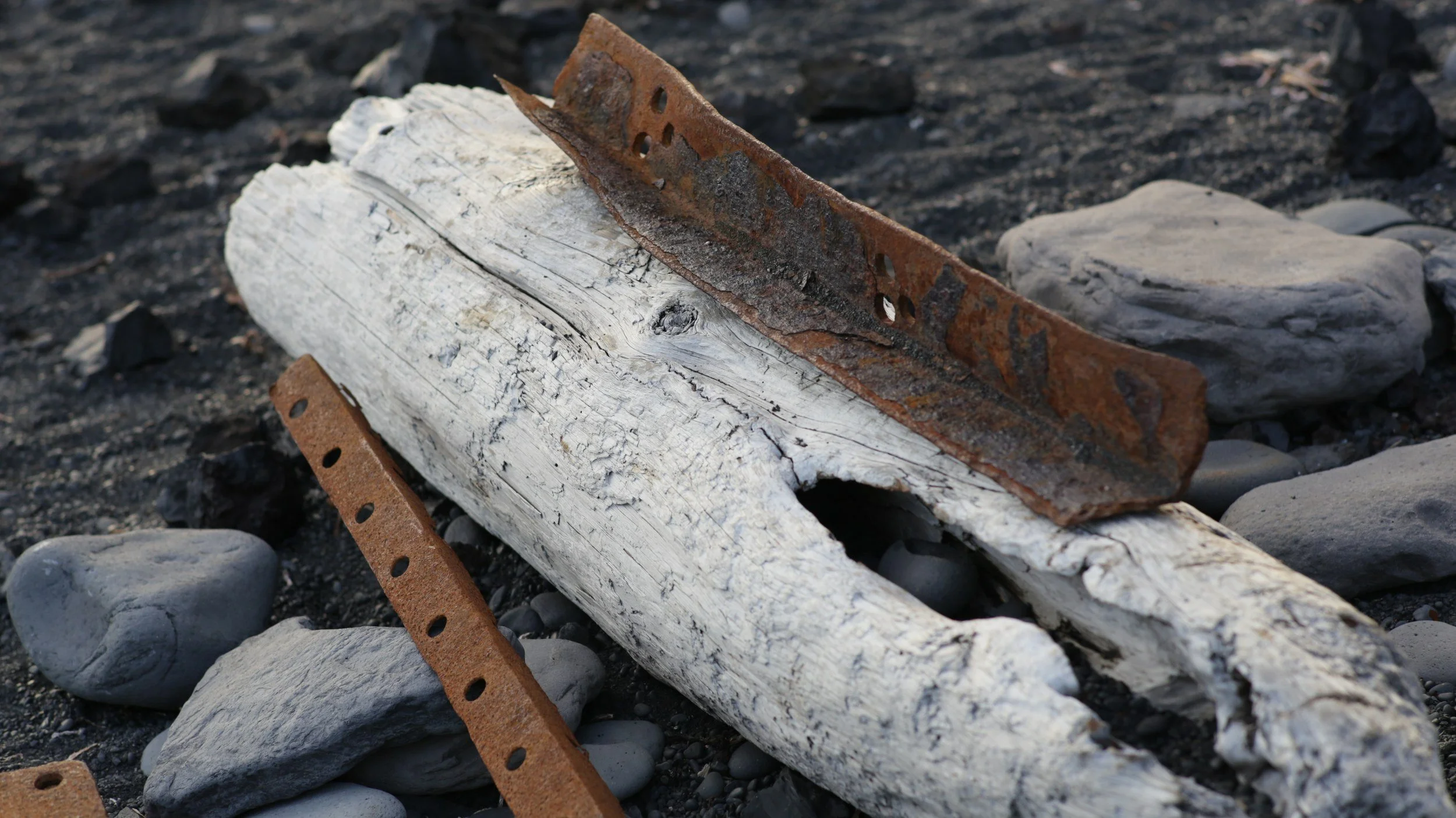
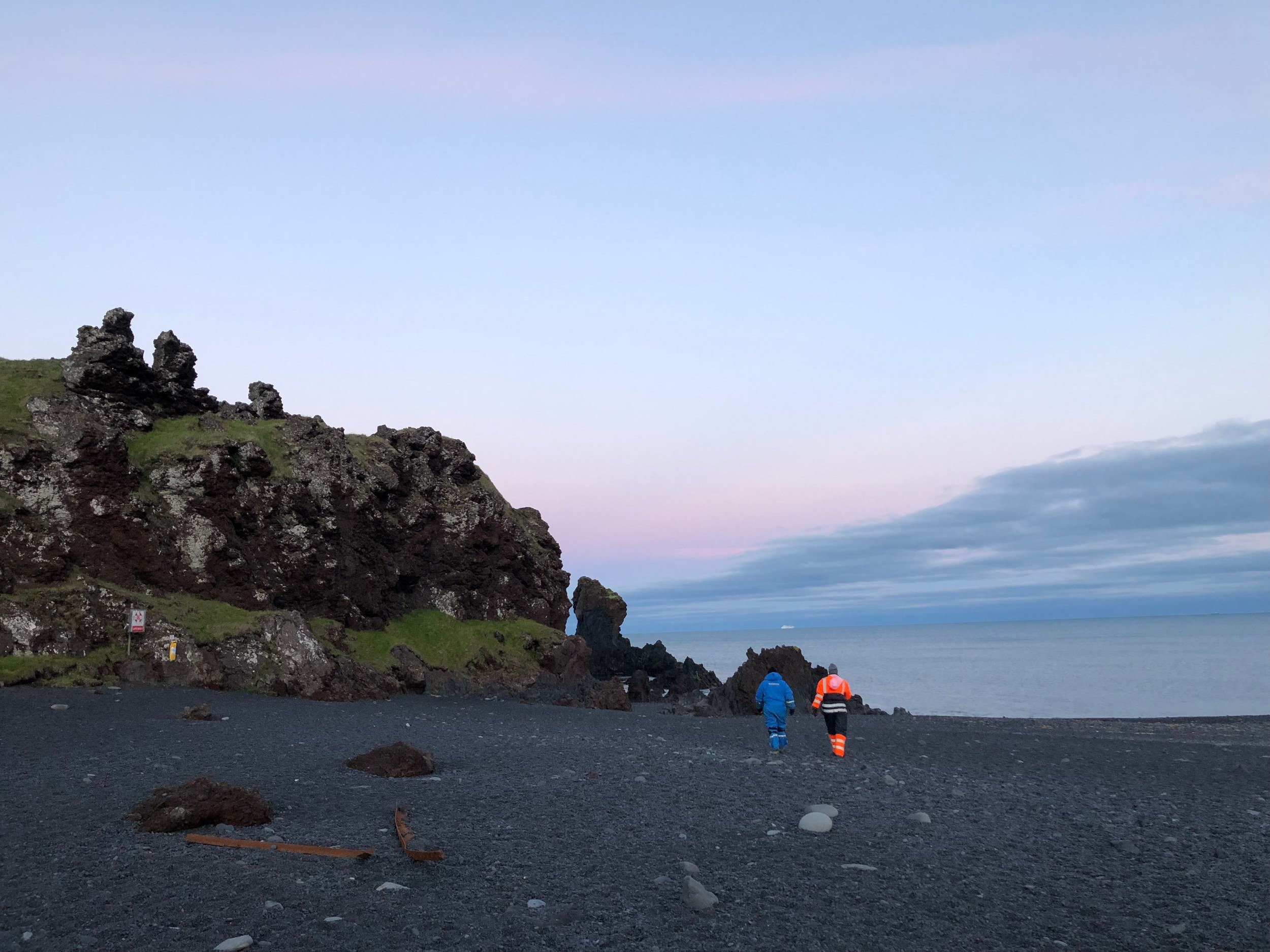
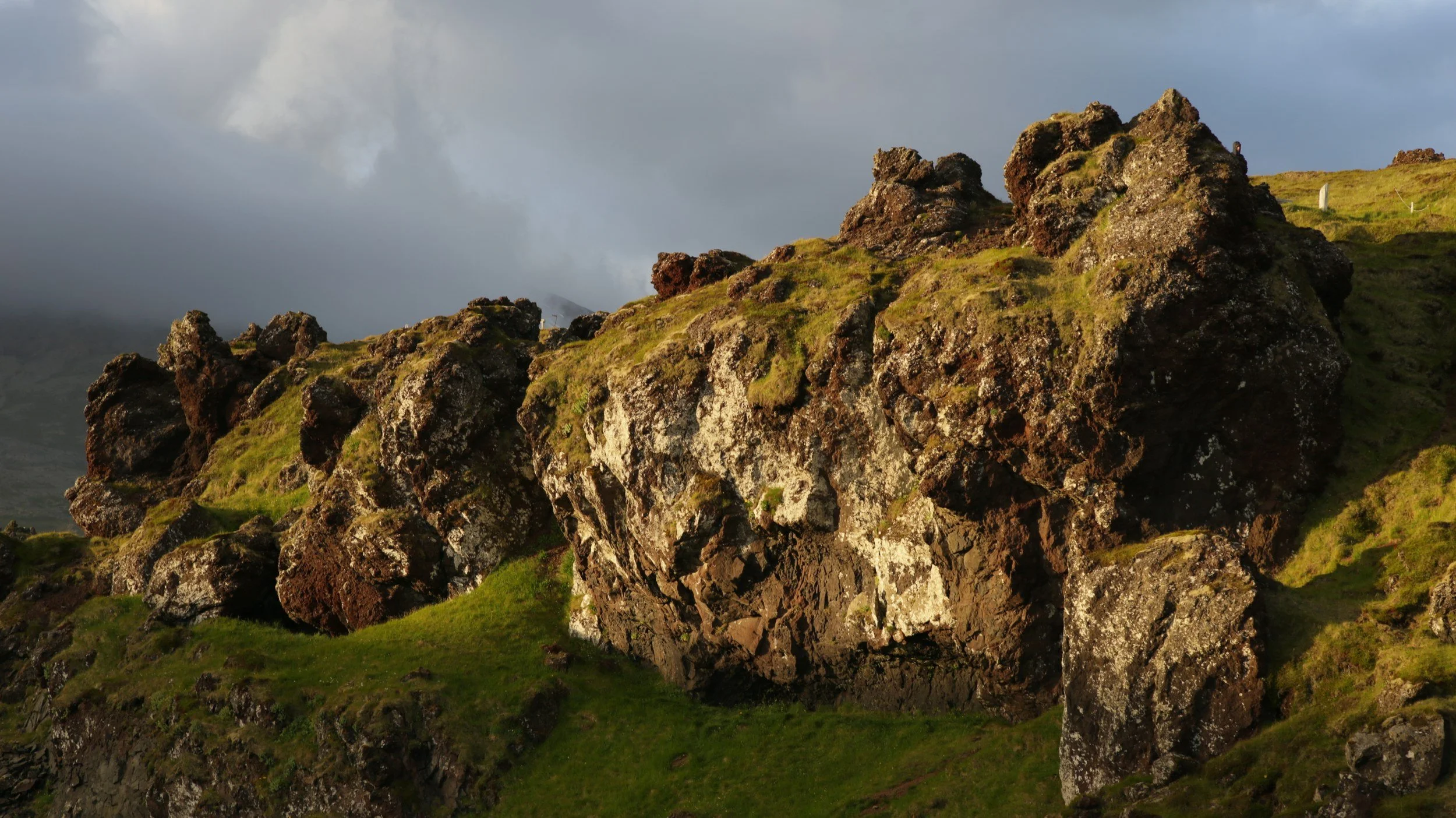
In the middle of a winter night in 1948, off the western coast of Iceland, the British fishing trawler Epine GY7 smashed into rocks. Five men were saved and fourteen drowned. What is left of the ship lies rusting on the black beach at Djúpalónssandur.
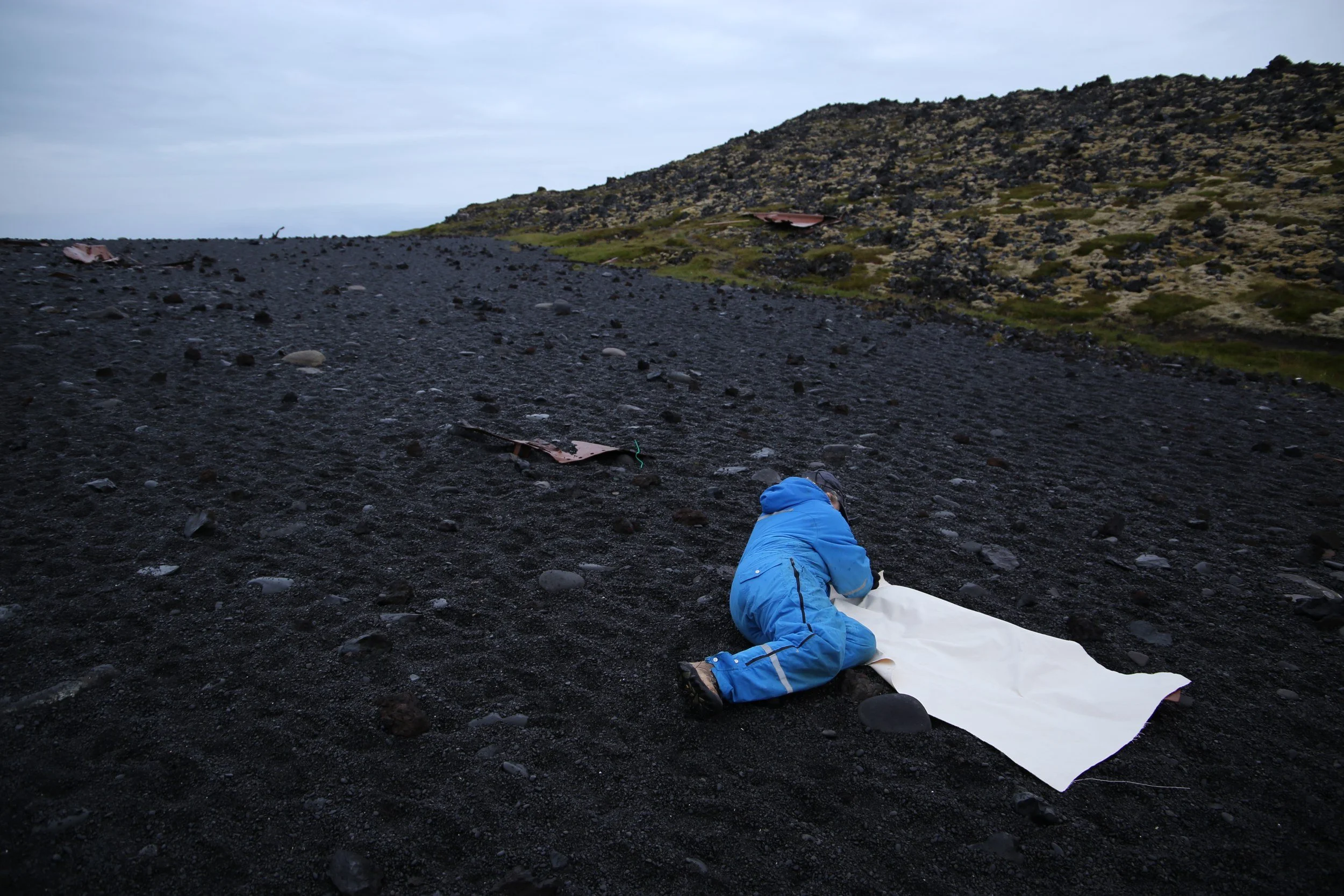
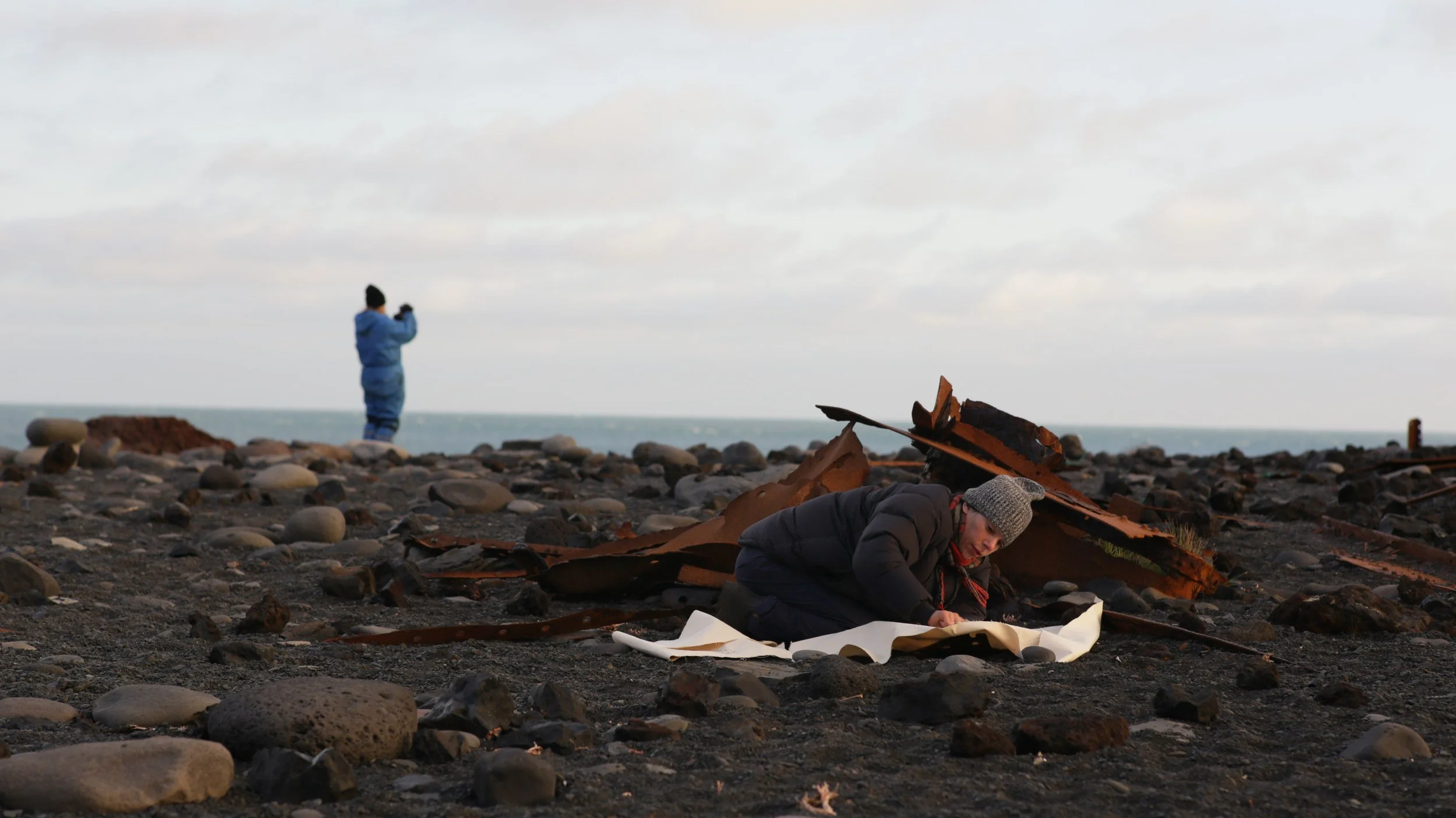
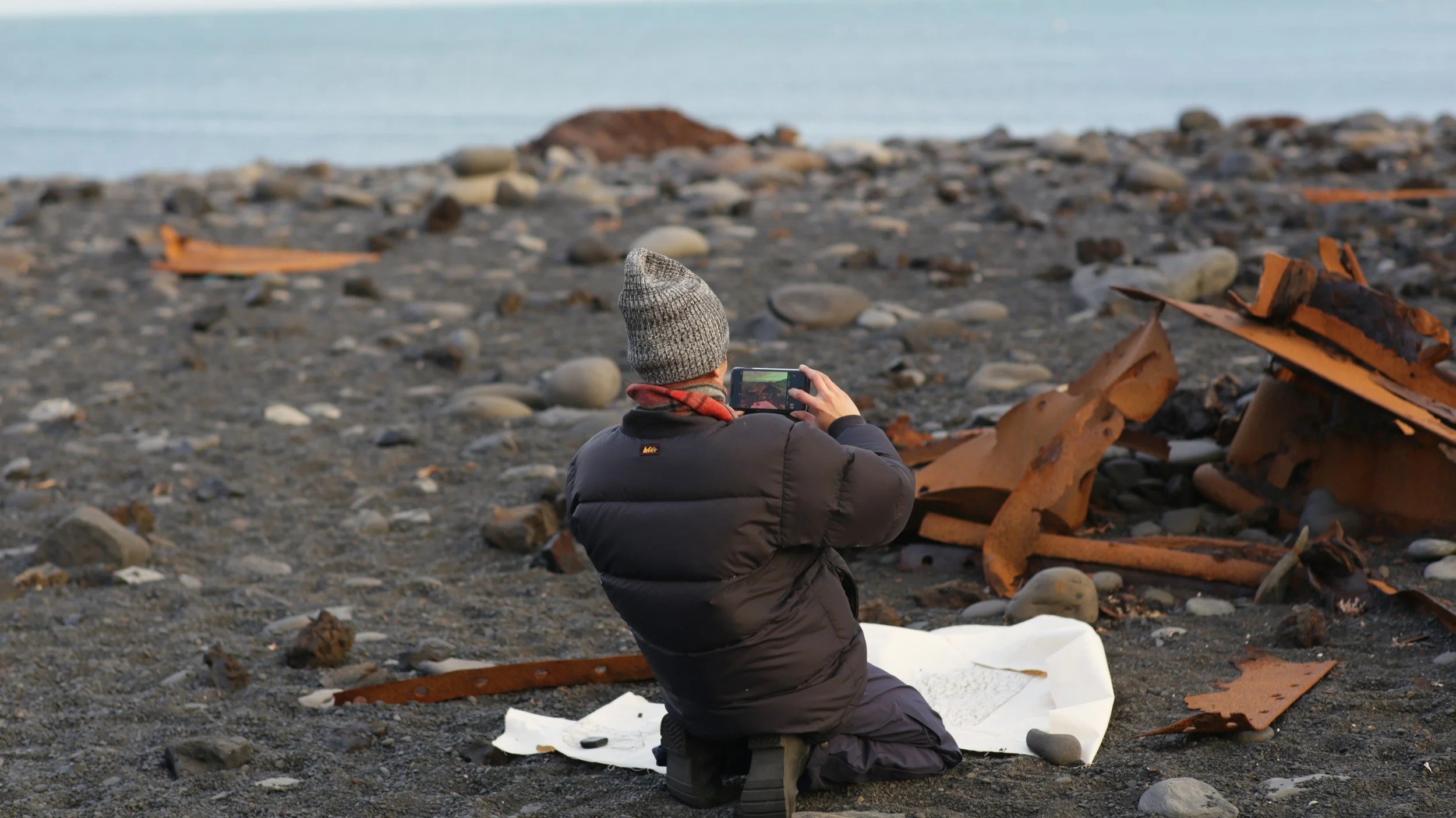
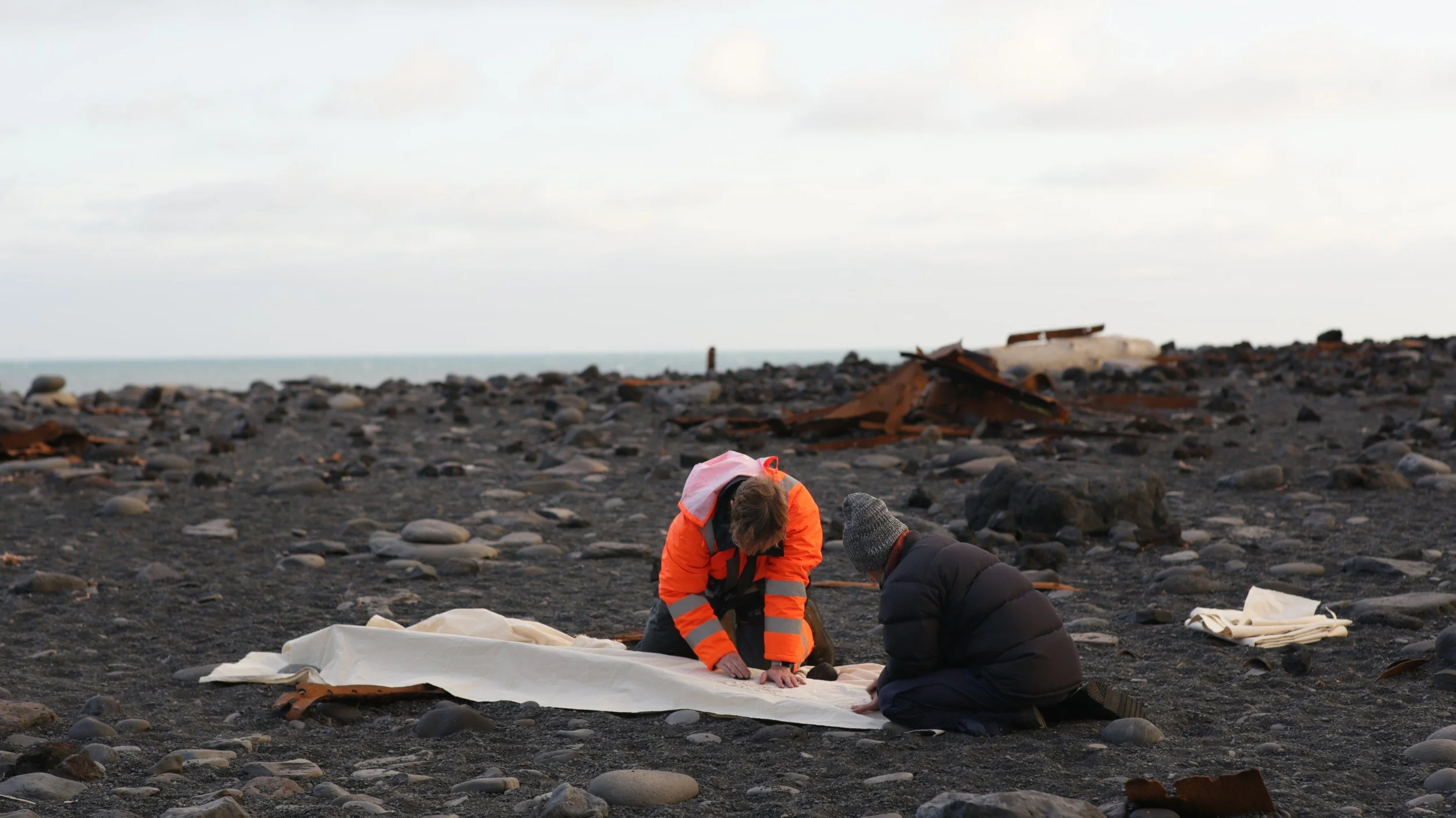
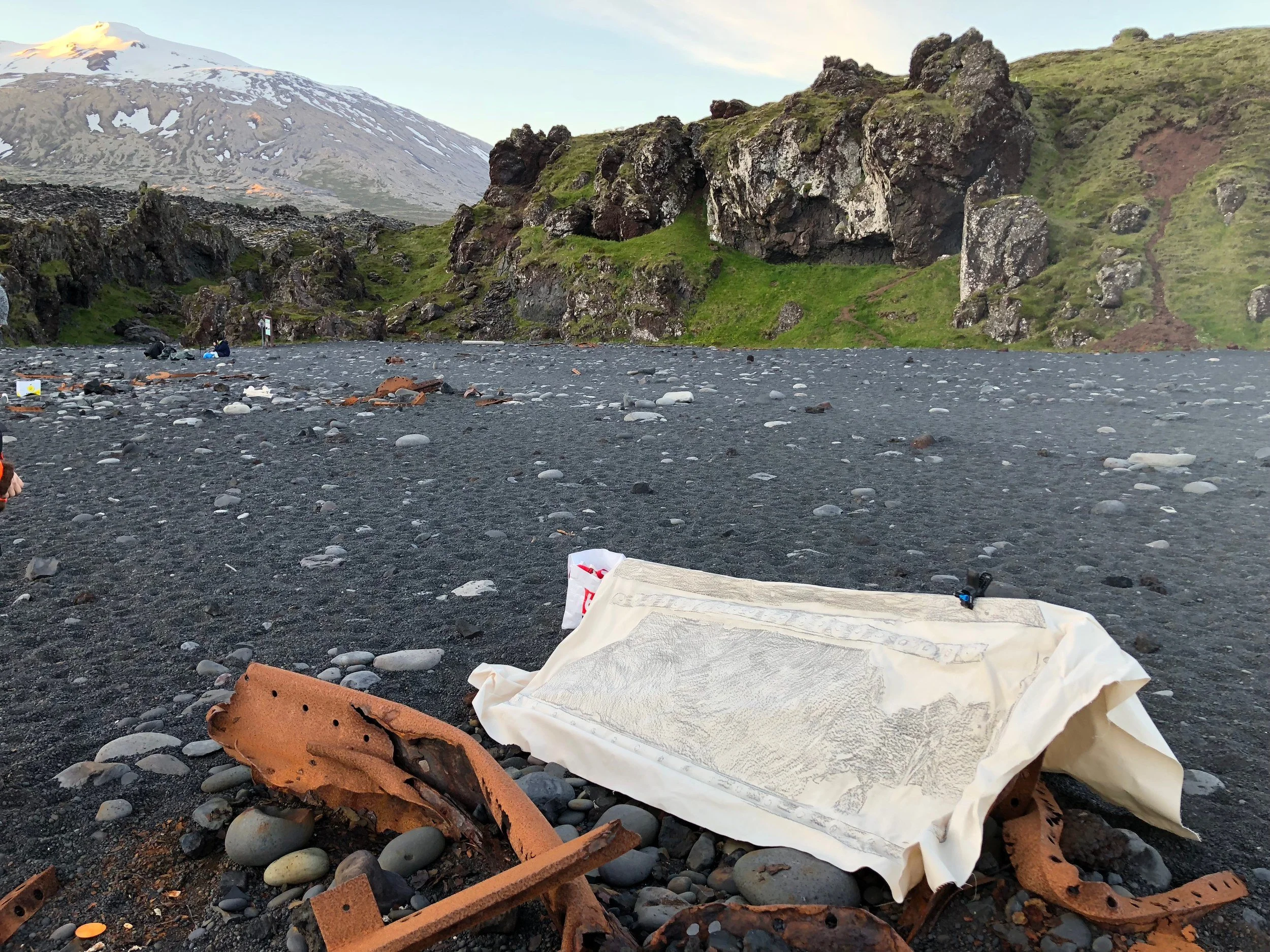
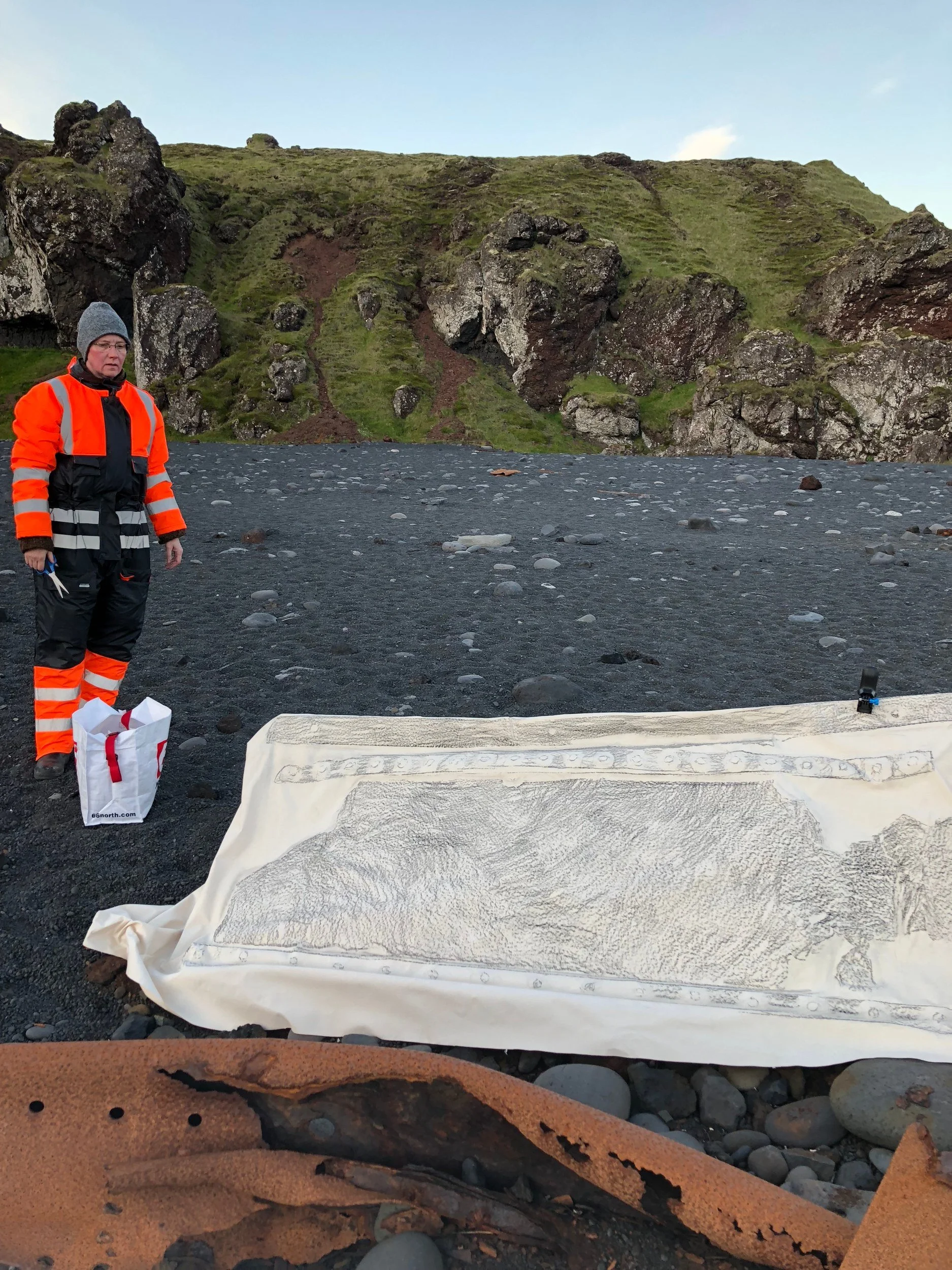
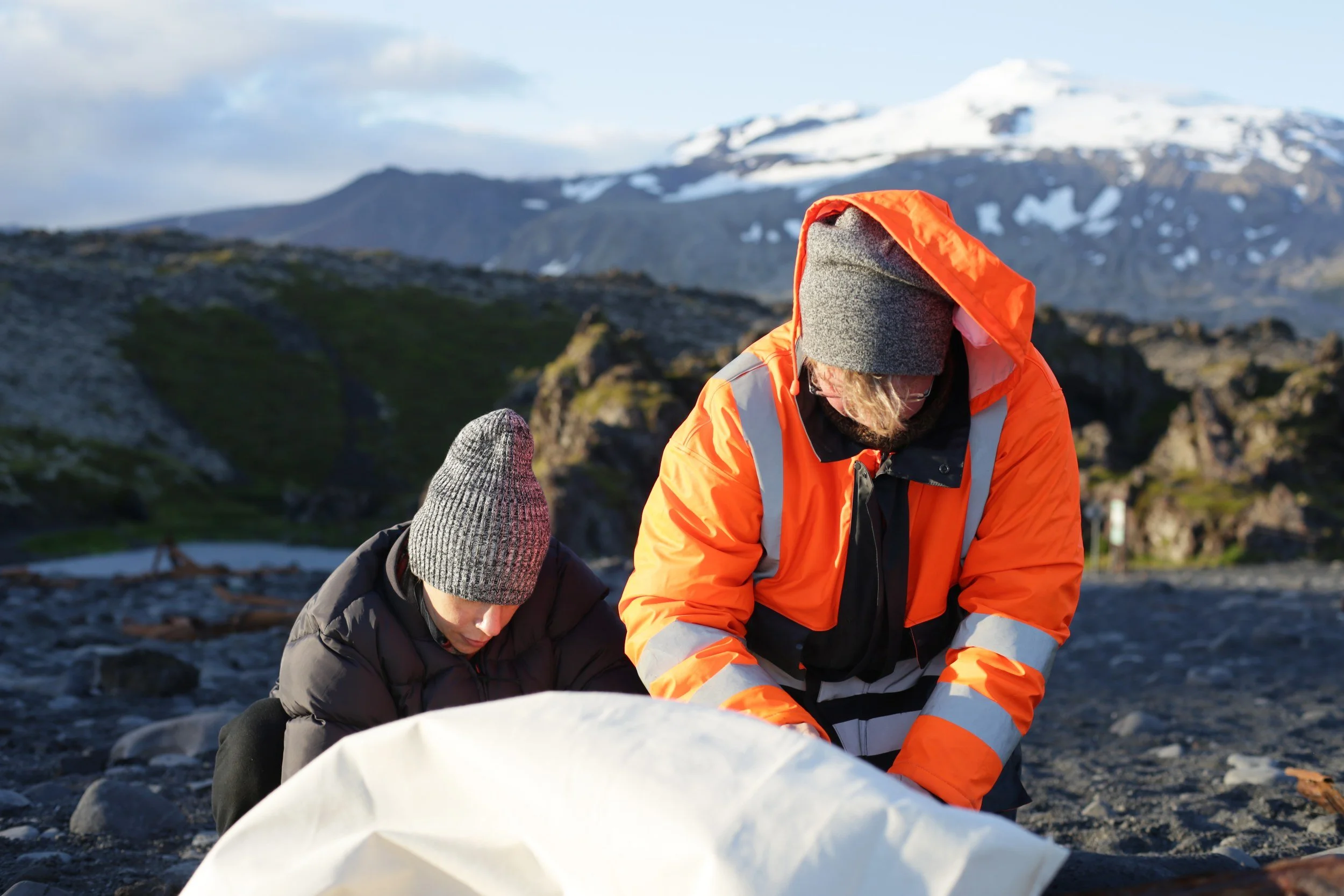
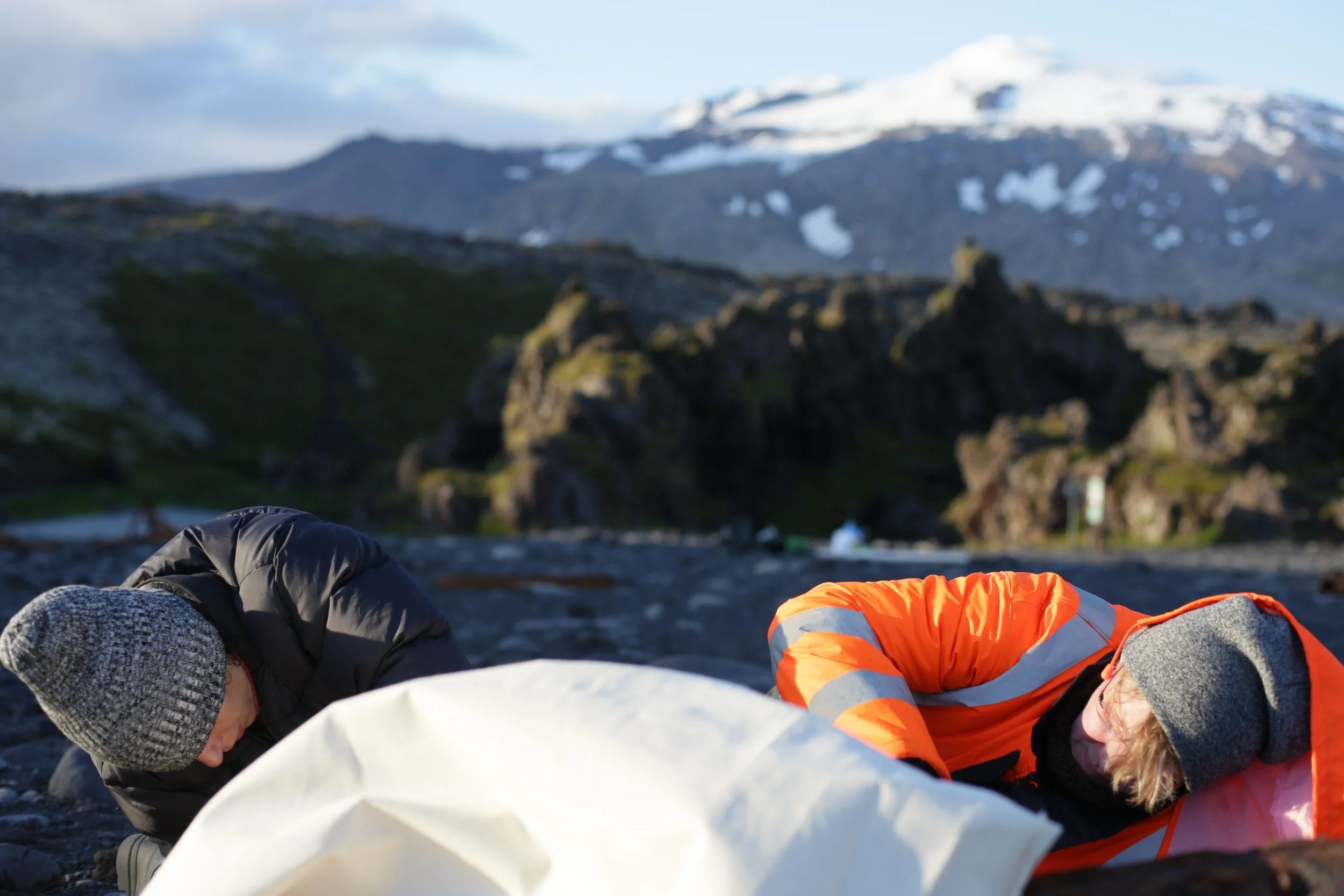
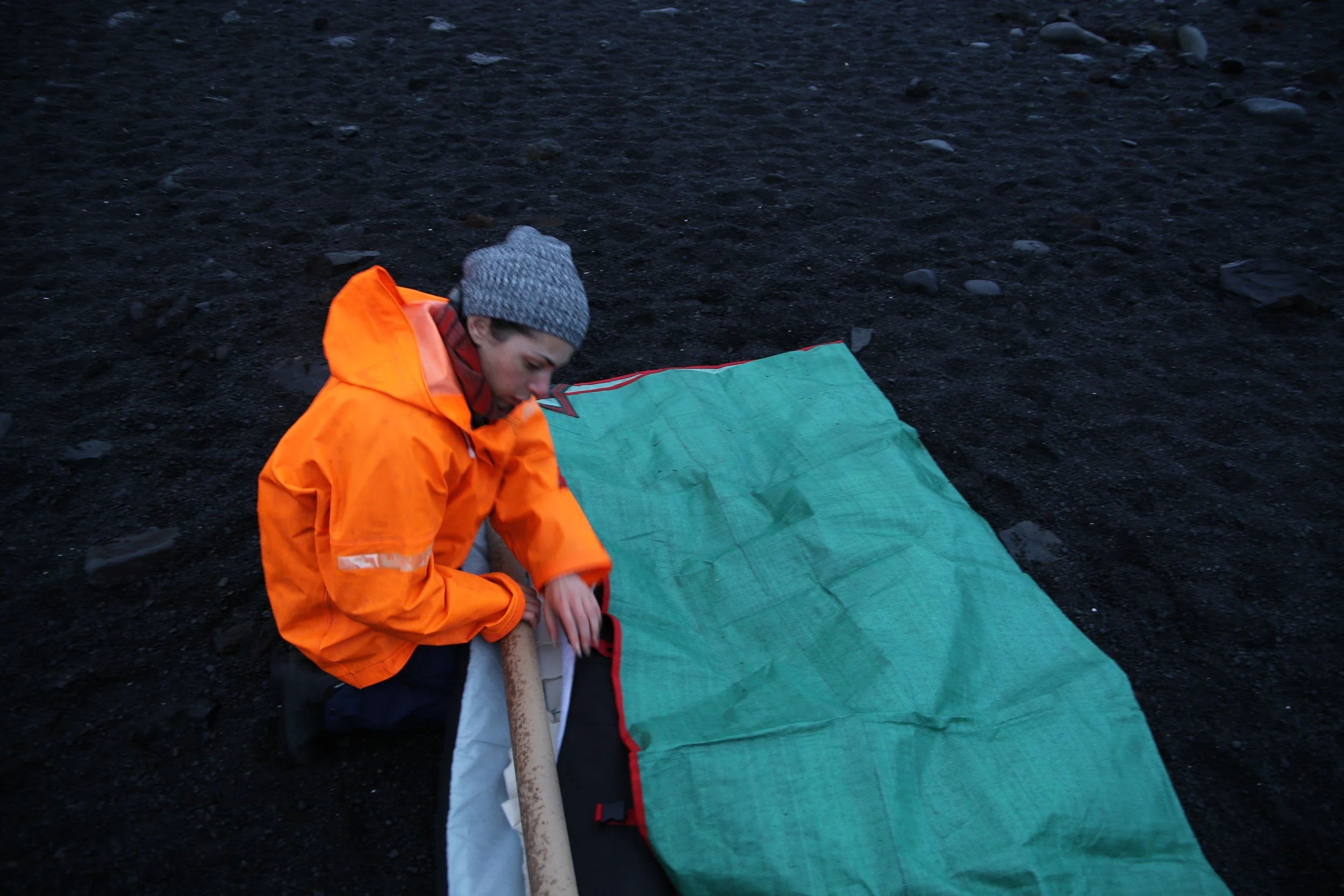
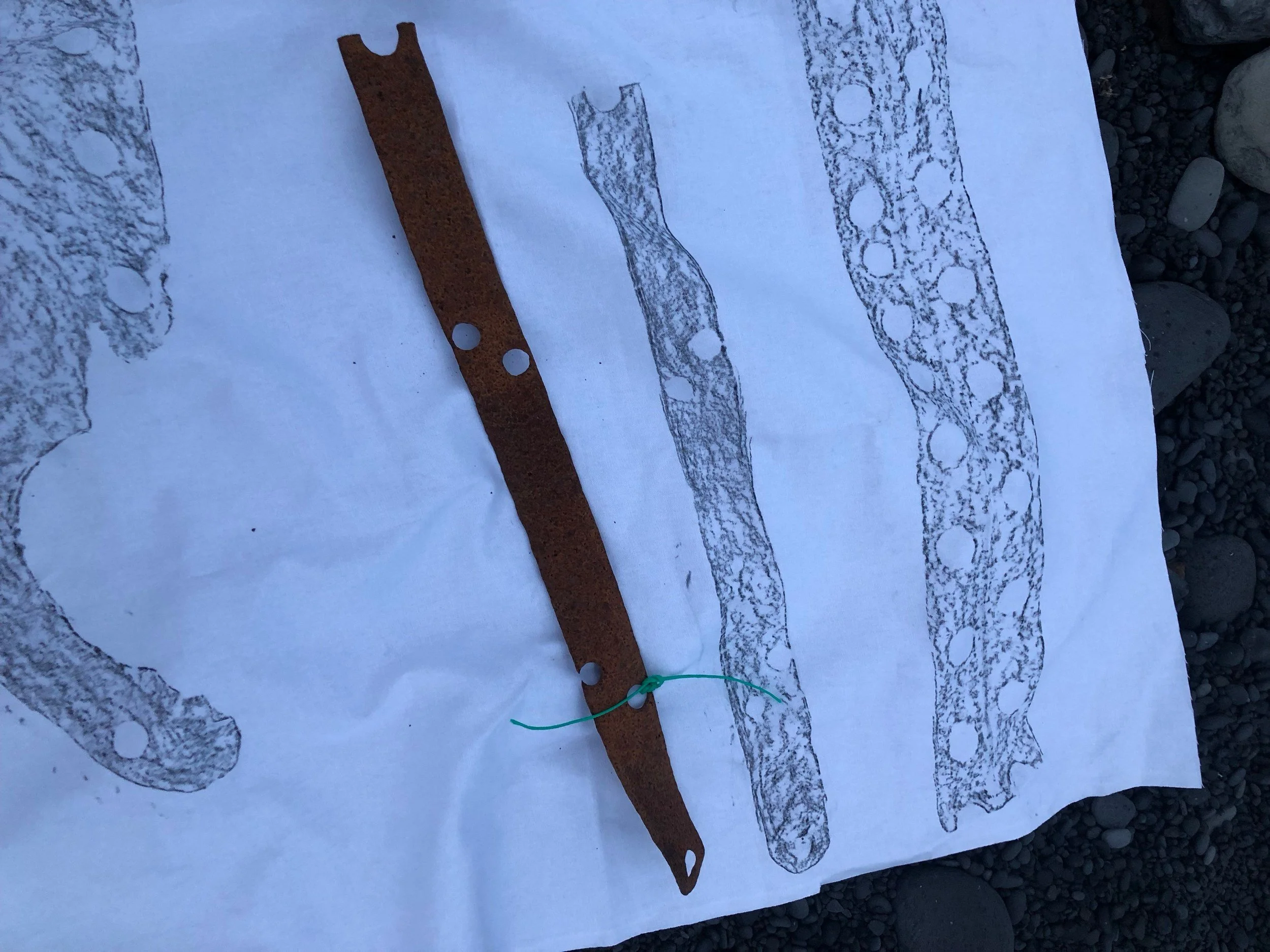
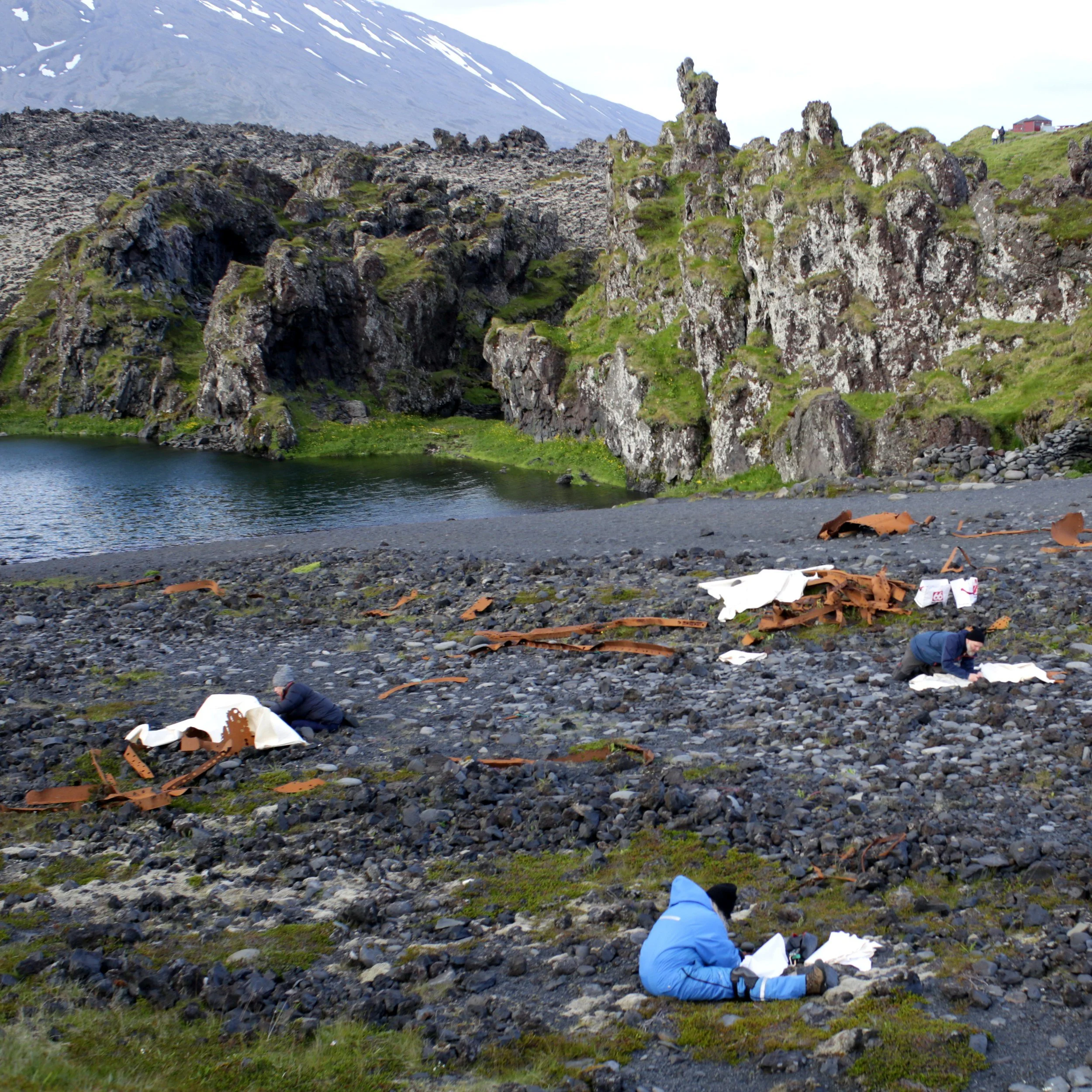
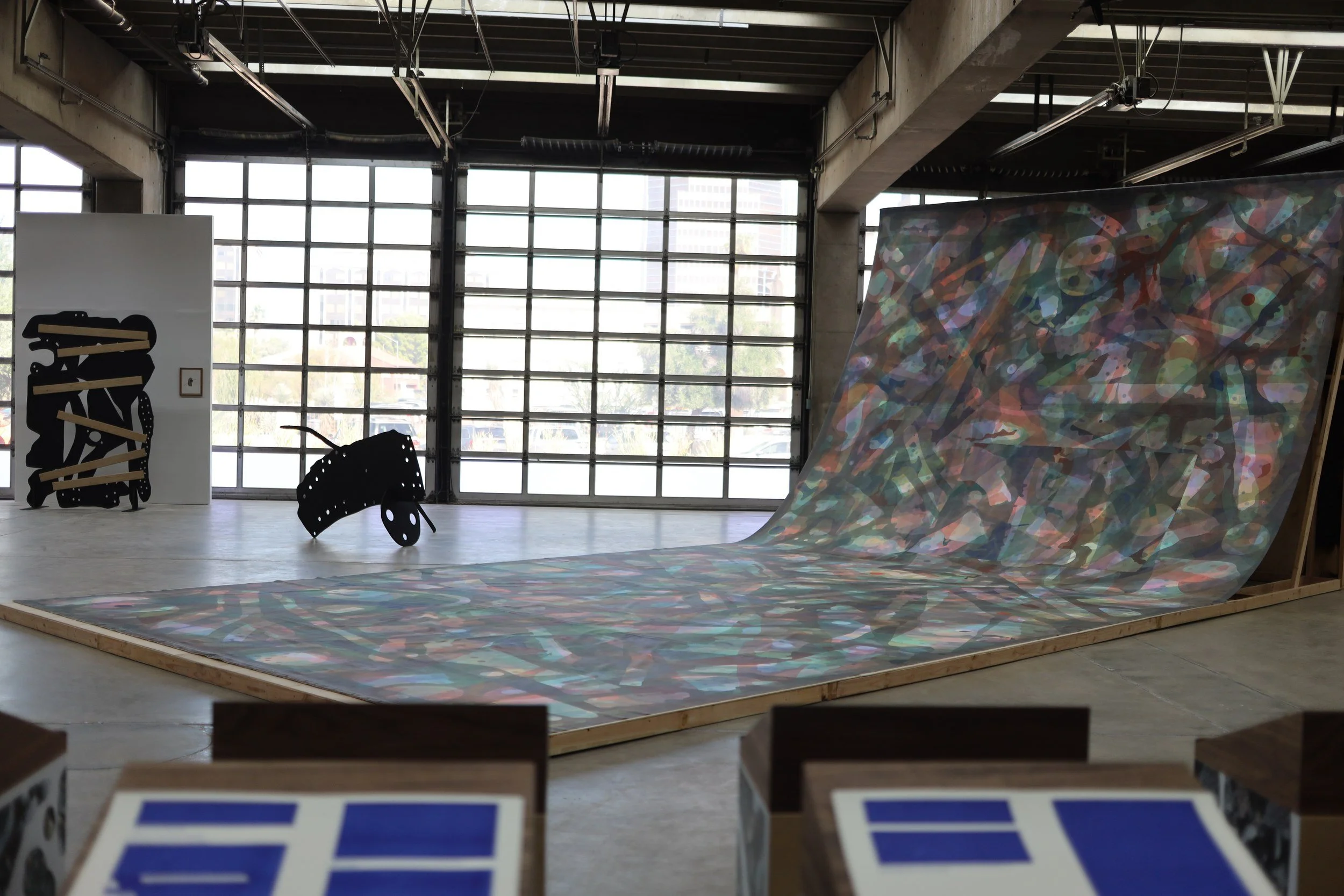
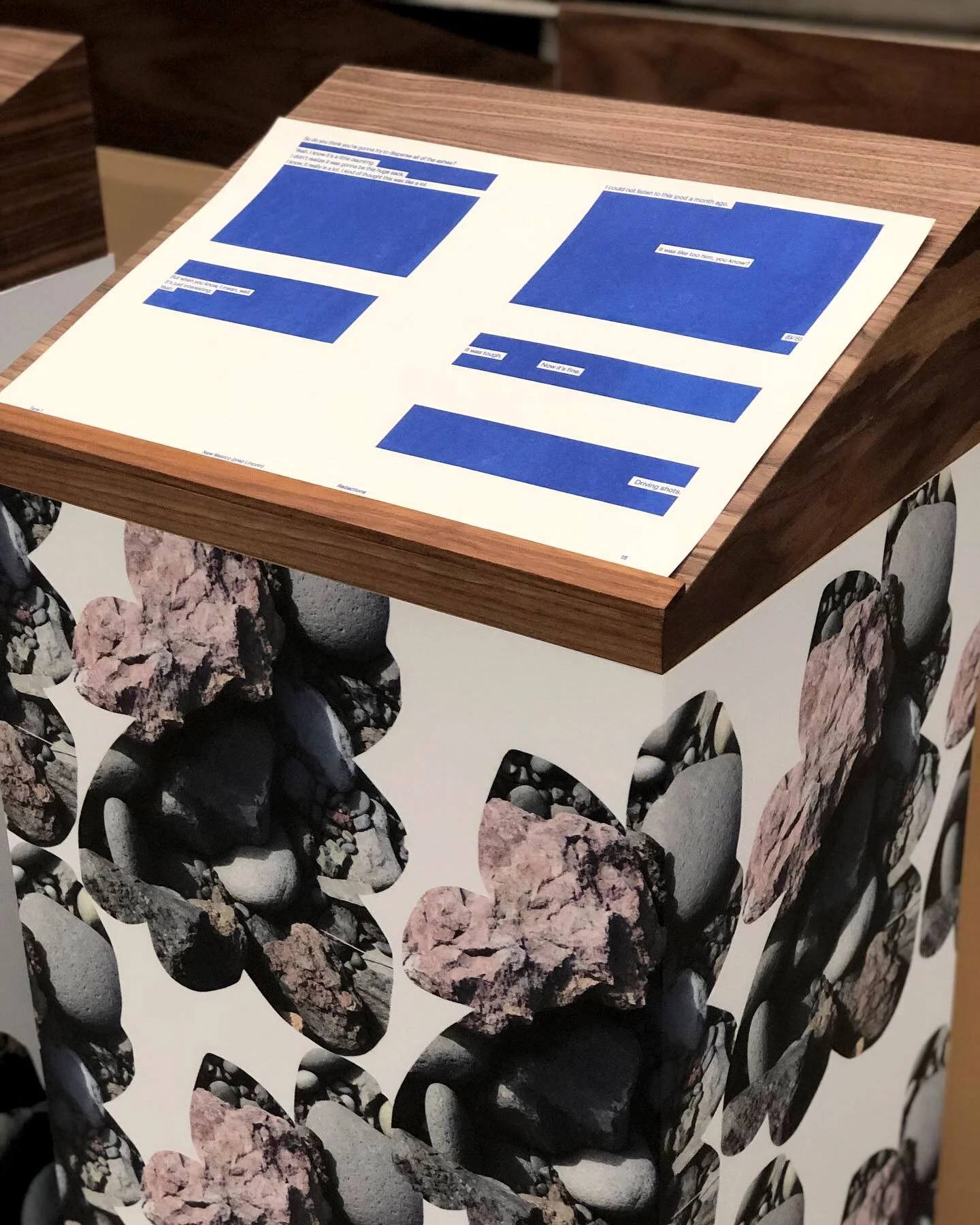
In 2009 Silverstein scattered her boyfriend’s ashes on this beach and filmed the year that followed; it became the documentary Afterglow. In the summer of 2018 she returned with friends and, over five nights, they made rubbings on canvas of every fragment of the wreck. Only afterwards did she realise that on the same beach where she had dispersed his remains, she was now gathering remains back into new forms. In her Los Angeles studio the rubbings became large-scale “fantastical reconstructions” of the ship, shown at MoCA Tucson with Wind Sounds, a nine-screen work made from Afterglow, and Podiums for the Dead, fourteen podiums holding redacted transcripts of the tapes.
“Art is a response to knowing something is impossible. This is not an attempt to recreate history, but rather to propose a new monument, a monument of a monument. Not to report but to transform.”Ali Silverstein
Afterglow
Feature documentary, 2013. Writer, director and producer.
Trailer
Making the rubbings
Djúpalónssandur, Snæfellsnes peninsula, Iceland, summer 2018. With Brian Fawcett, Ylonda Viola and Hildur Margrétardóttir.
Djúpalónssandur, drone footage
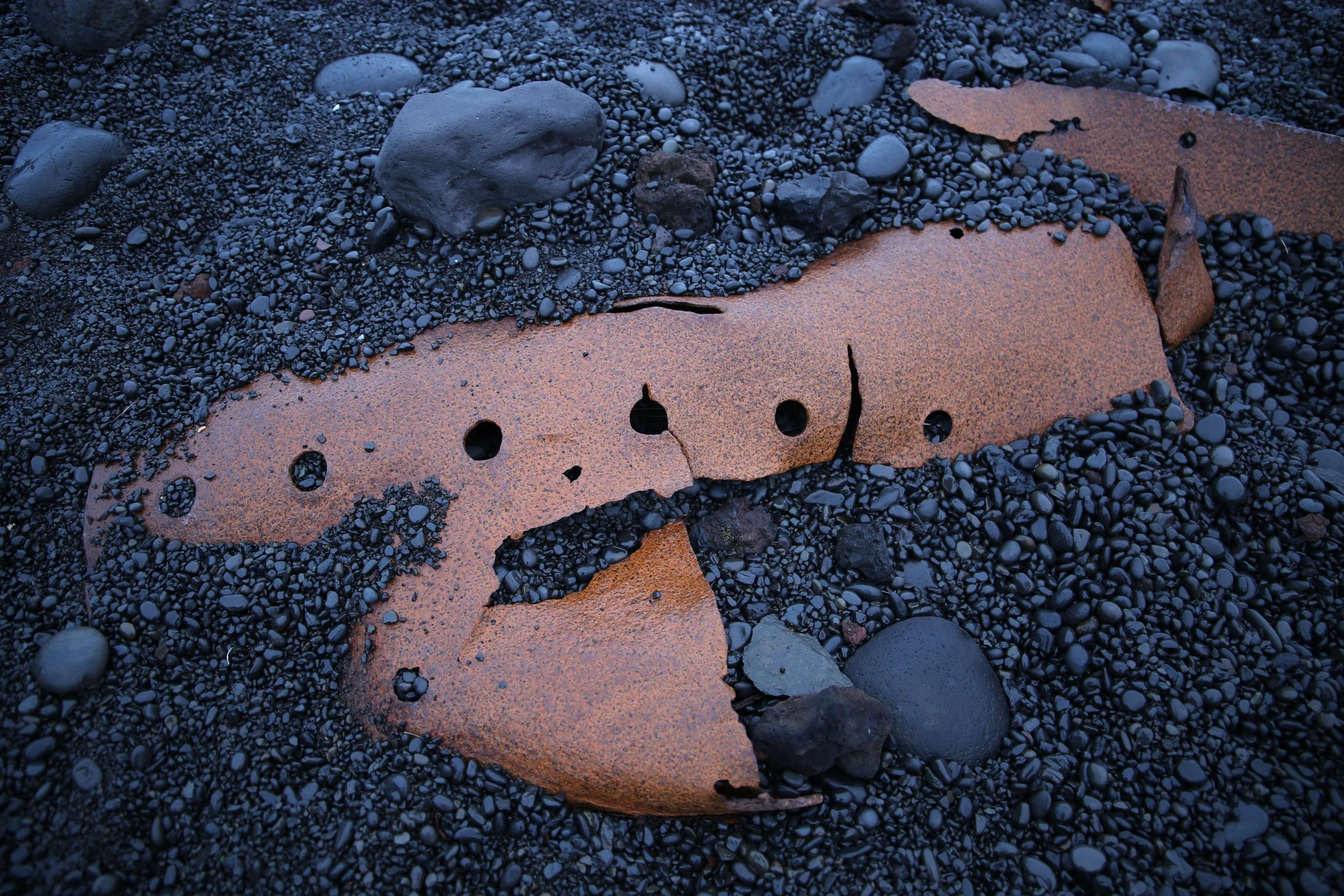
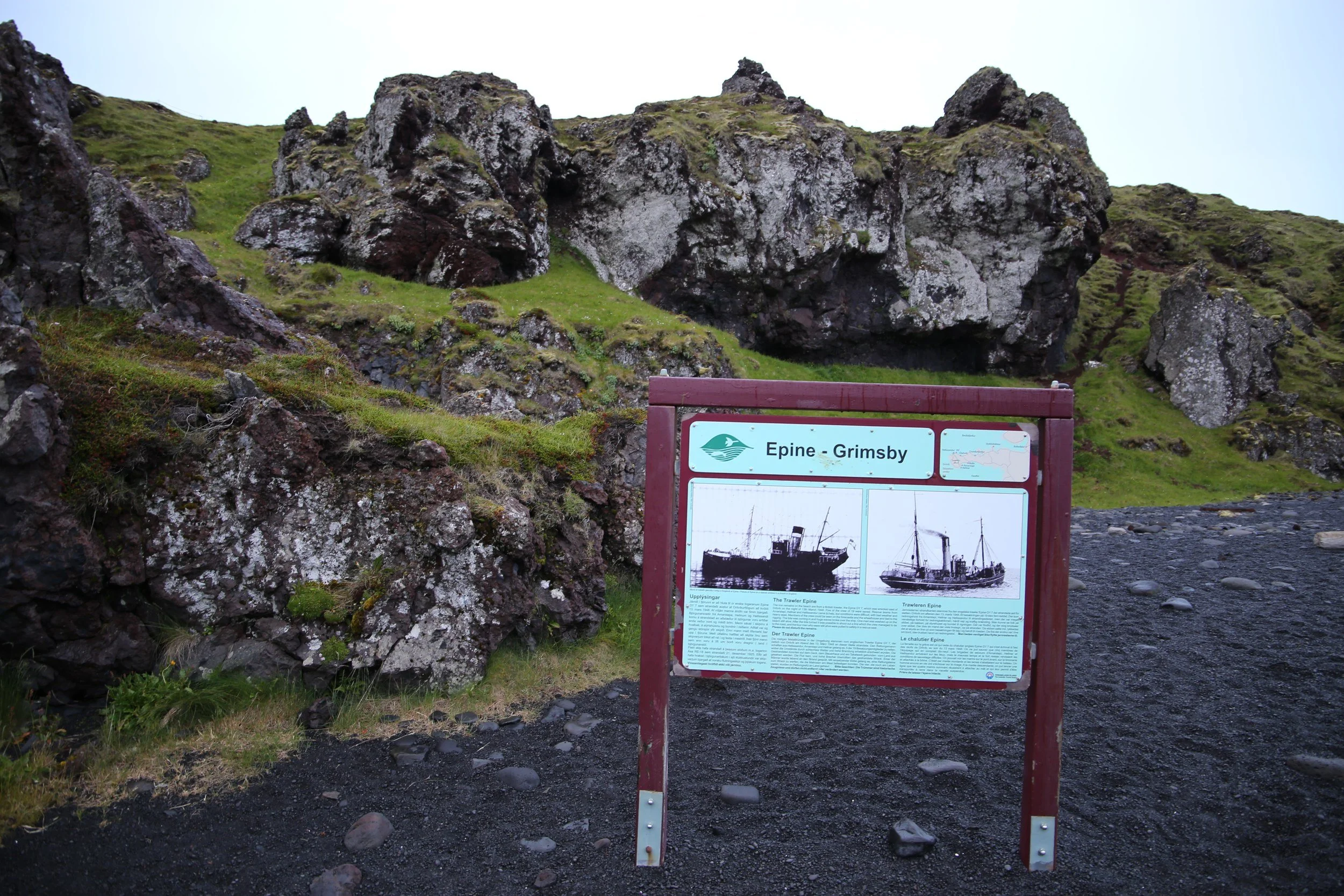


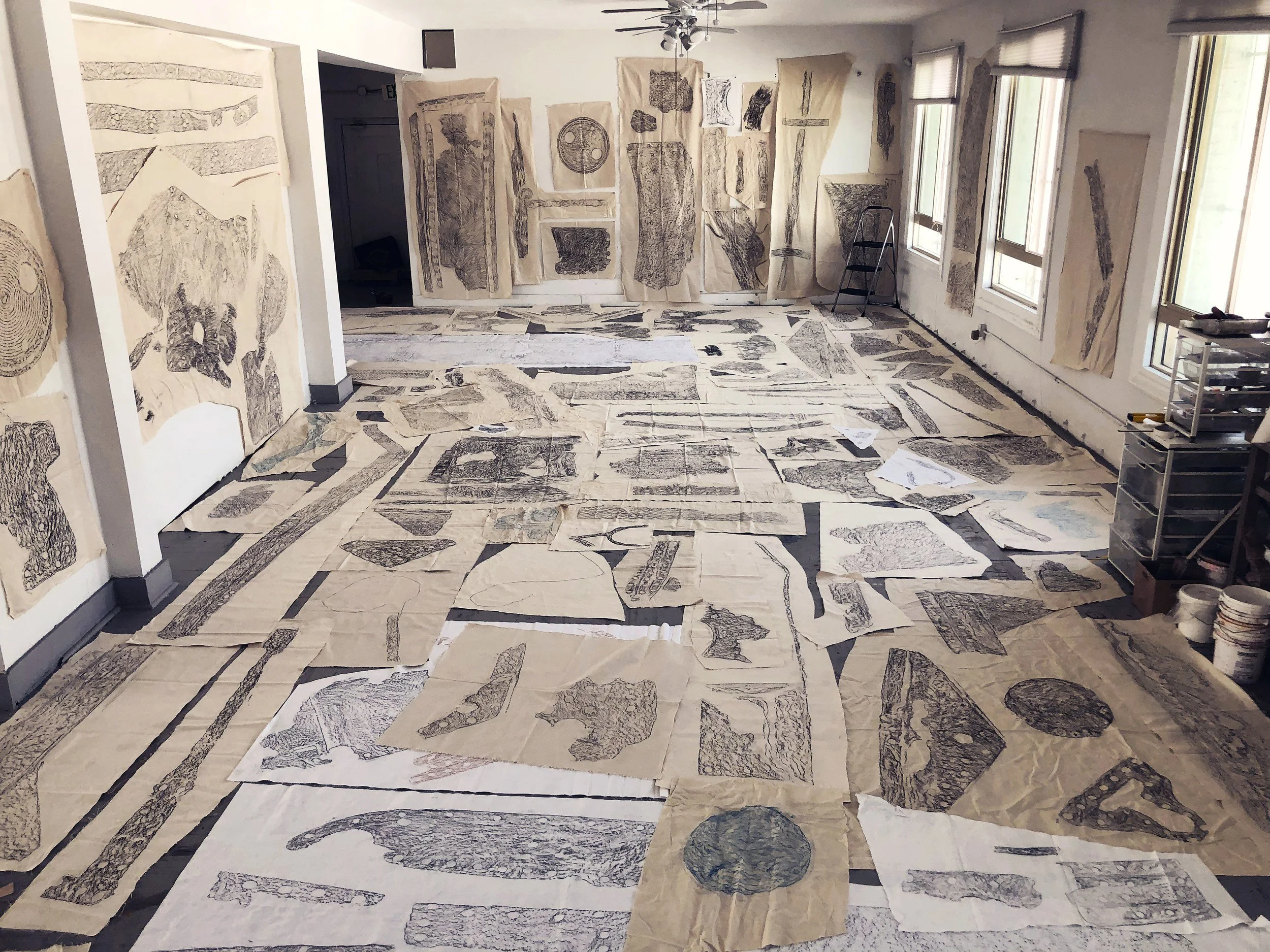
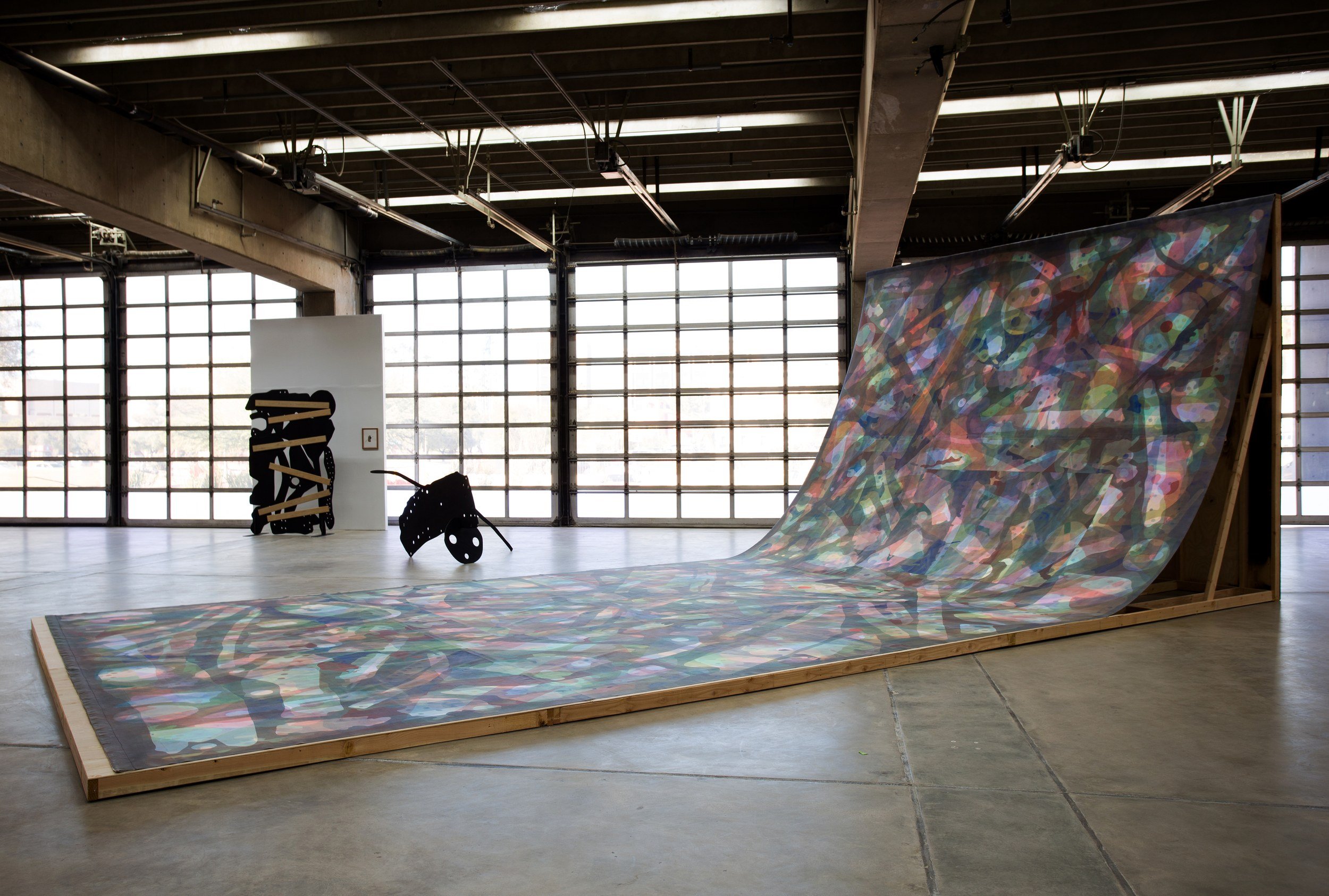
Installation view — The Fantastical Reconstruction of the Epine GY7, Museum of Contemporary Art Tucson, 2019
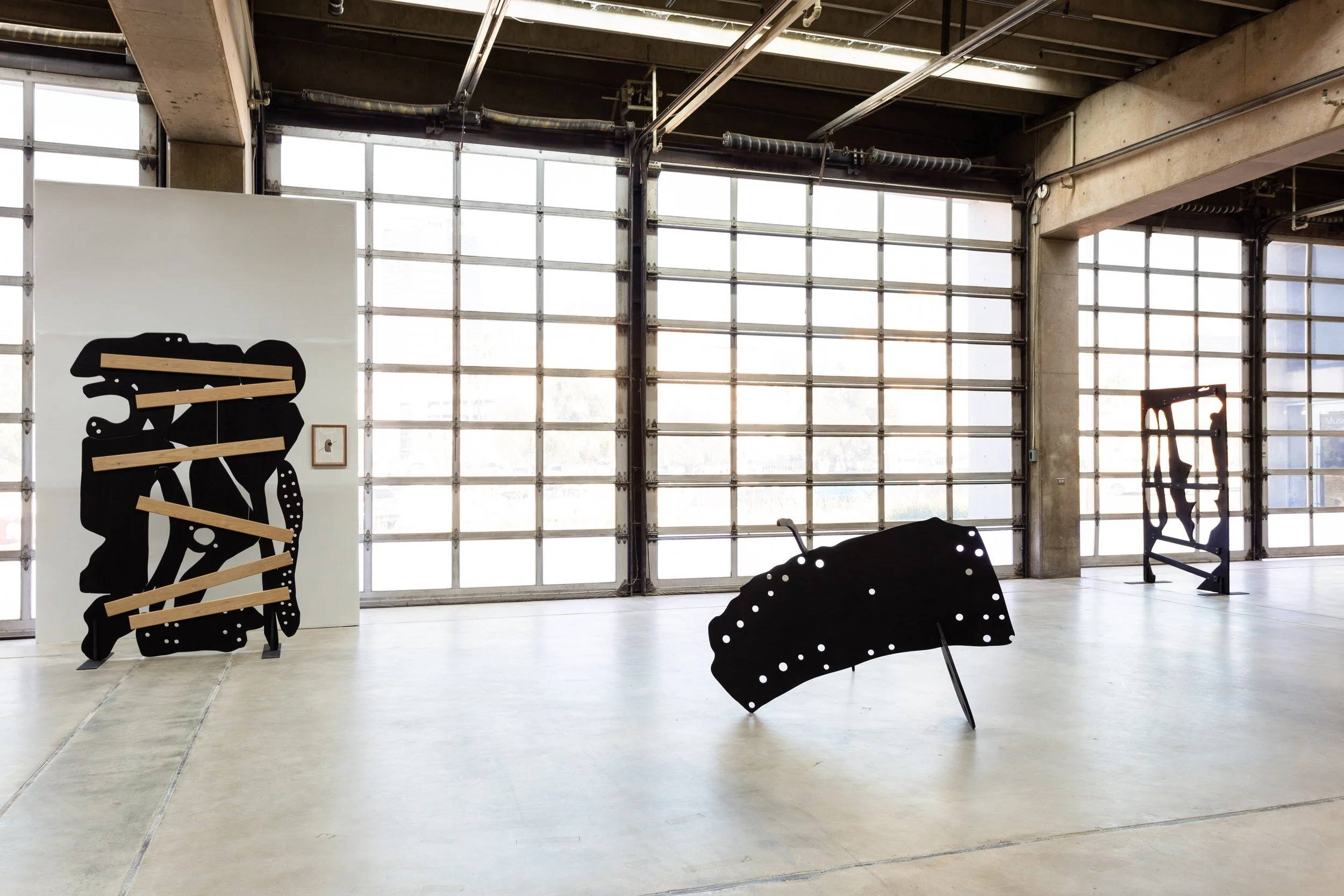
Installation view — Museum of Contemporary Art Tucson, 2019
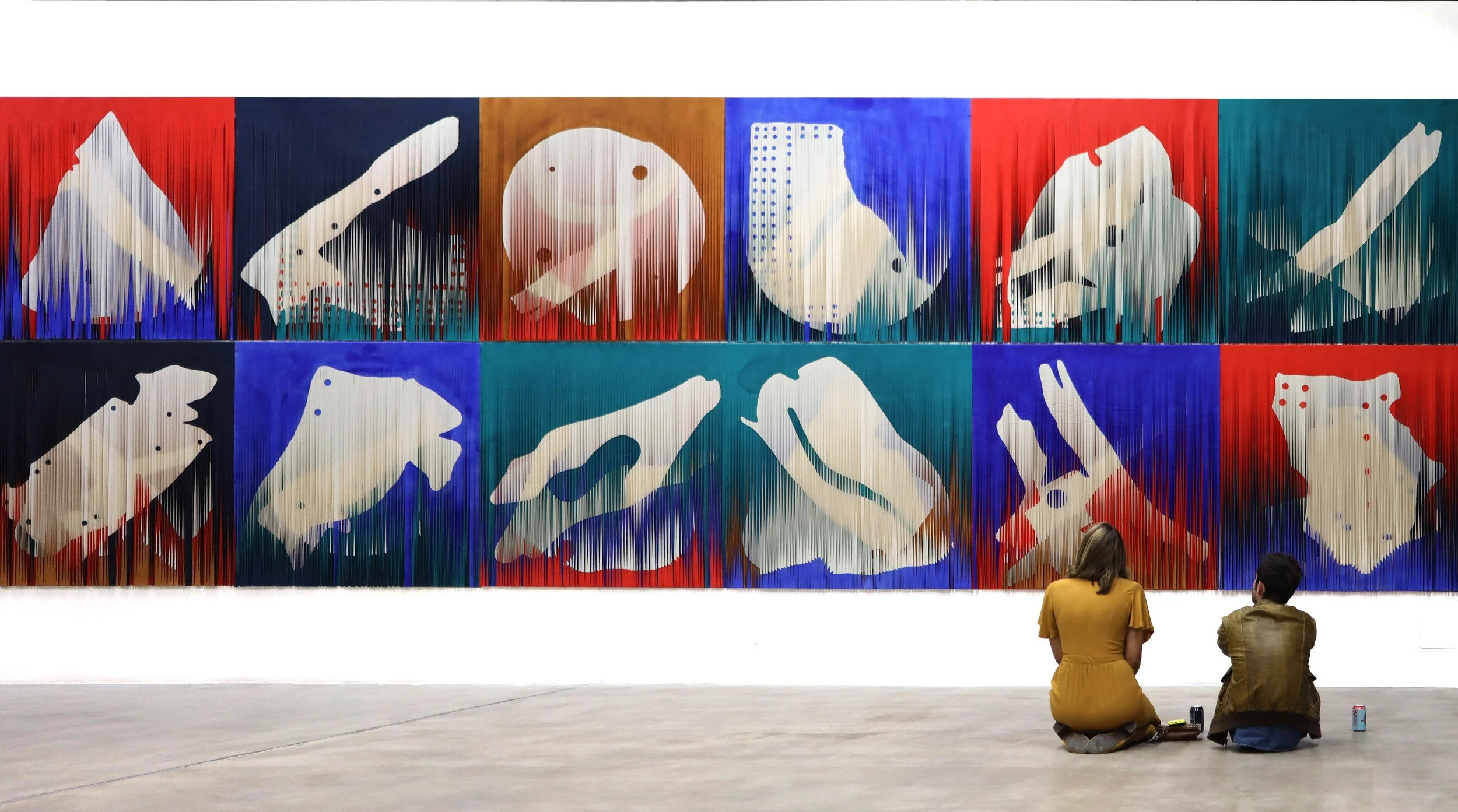
Fantastical Reconstruction: Fringed and Layered Canvas, 2019 — Installation view
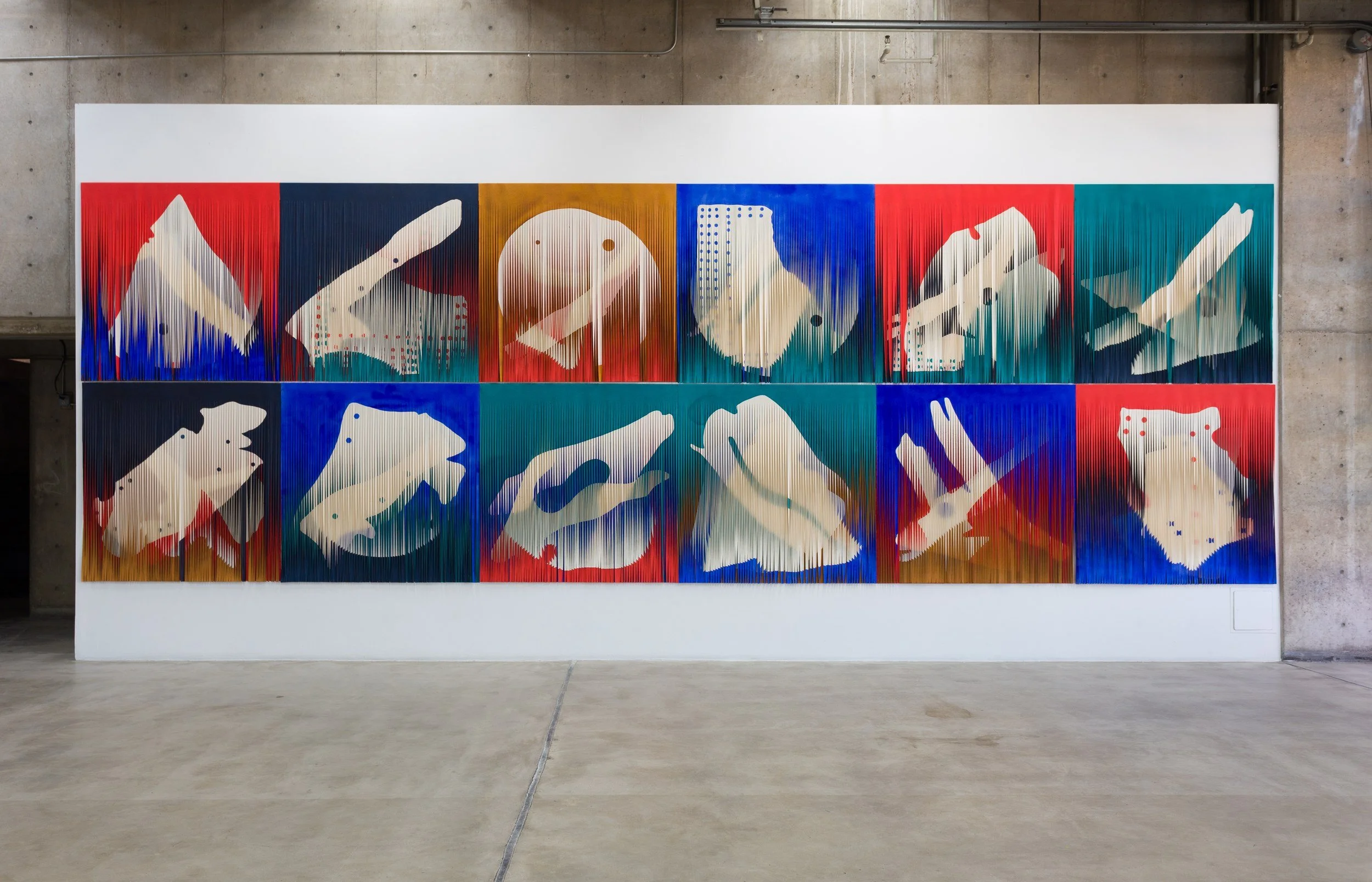
Fantastical Reconstruction: Fringed and Layered Canvas, 2019 — Each square consists of three fragments of the Epine GY7

Fantastical Reconstruction: Fringed and Layered Canvas, 2019 (detail)
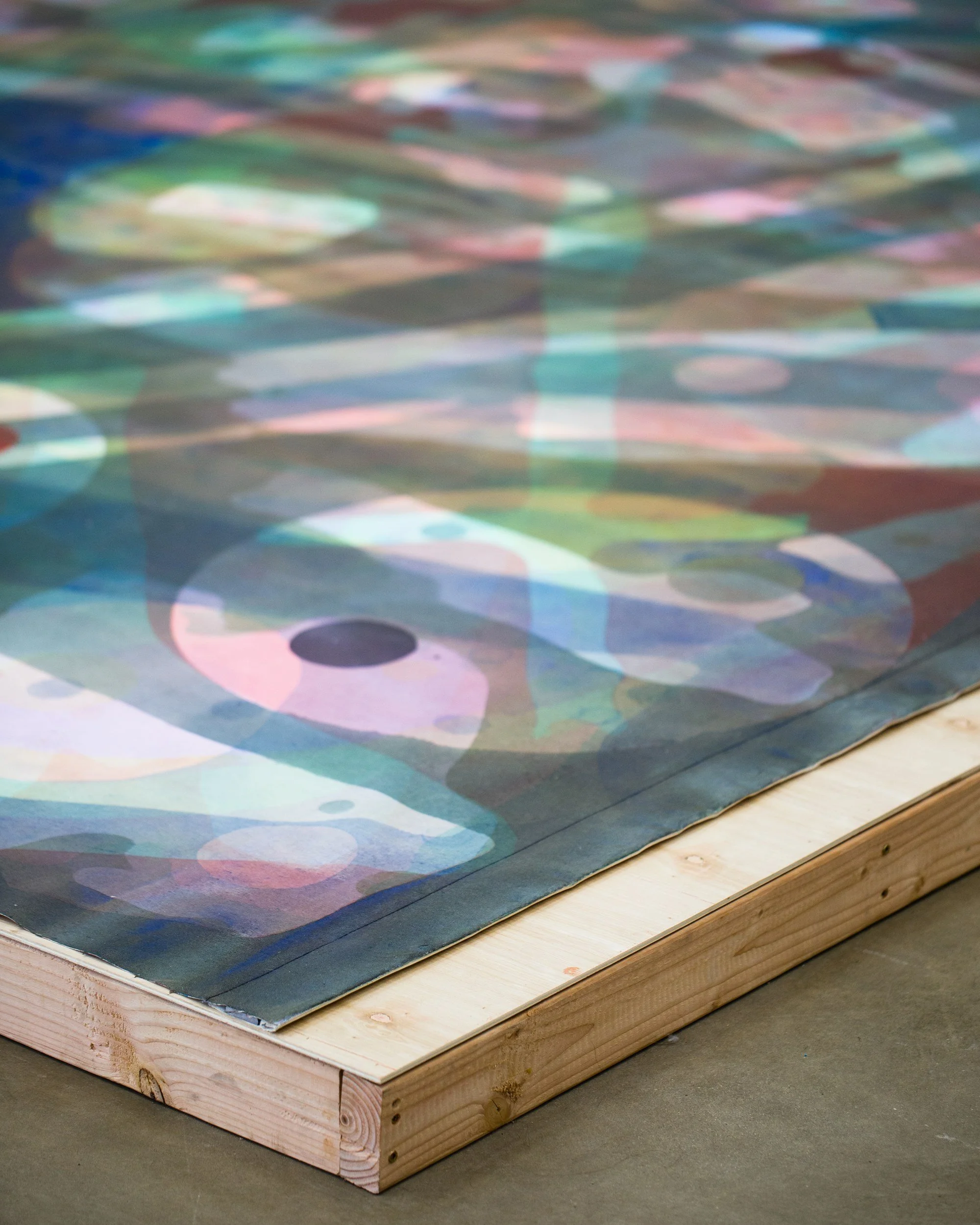
Fantastical Reconstruction: Translucent Fragments, 2019 (detail) — Large-scale painting installation using stencils of the Epine GY7 fragments
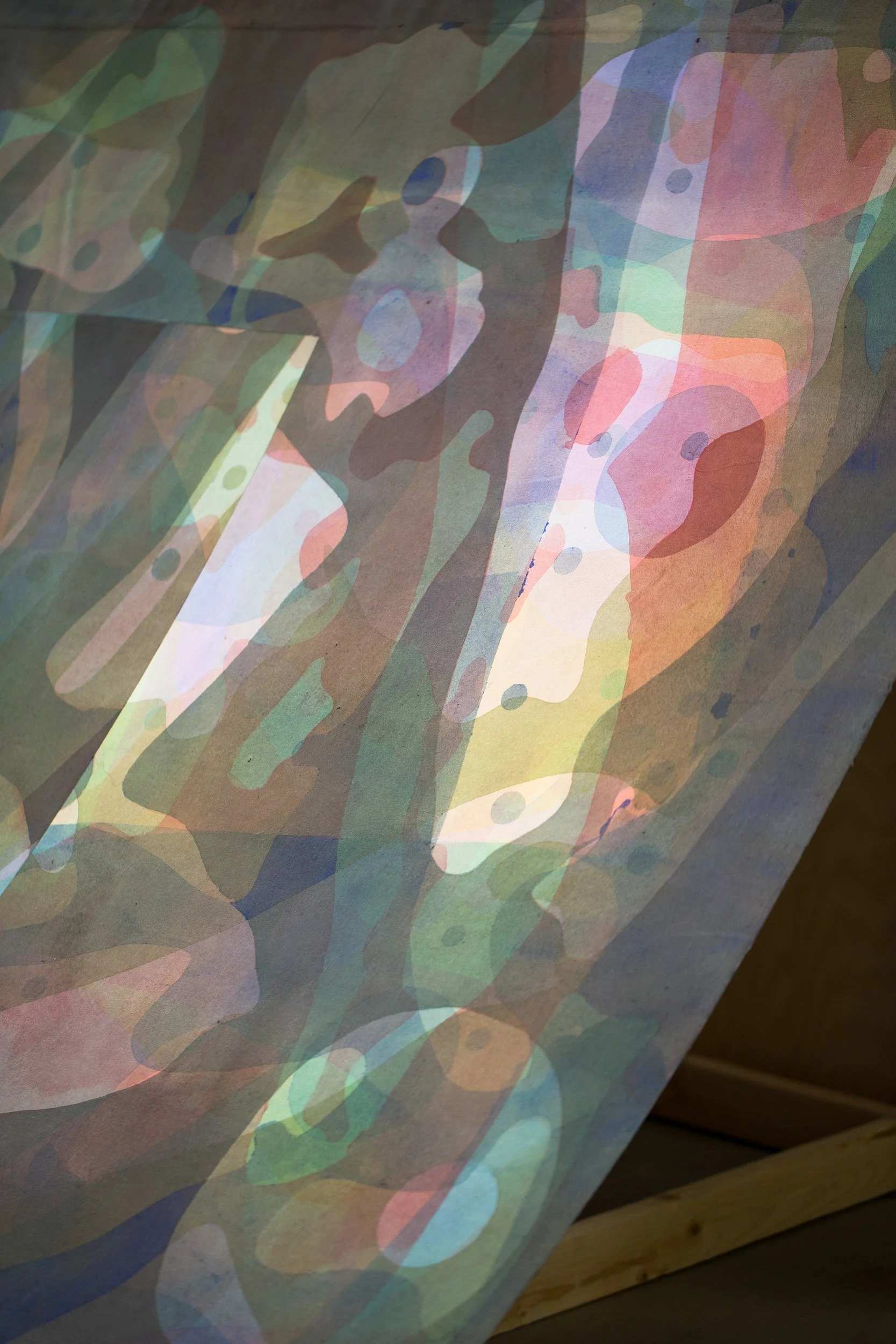
Fantastical Reconstruction: Translucent Fragments, 2019 (detail)
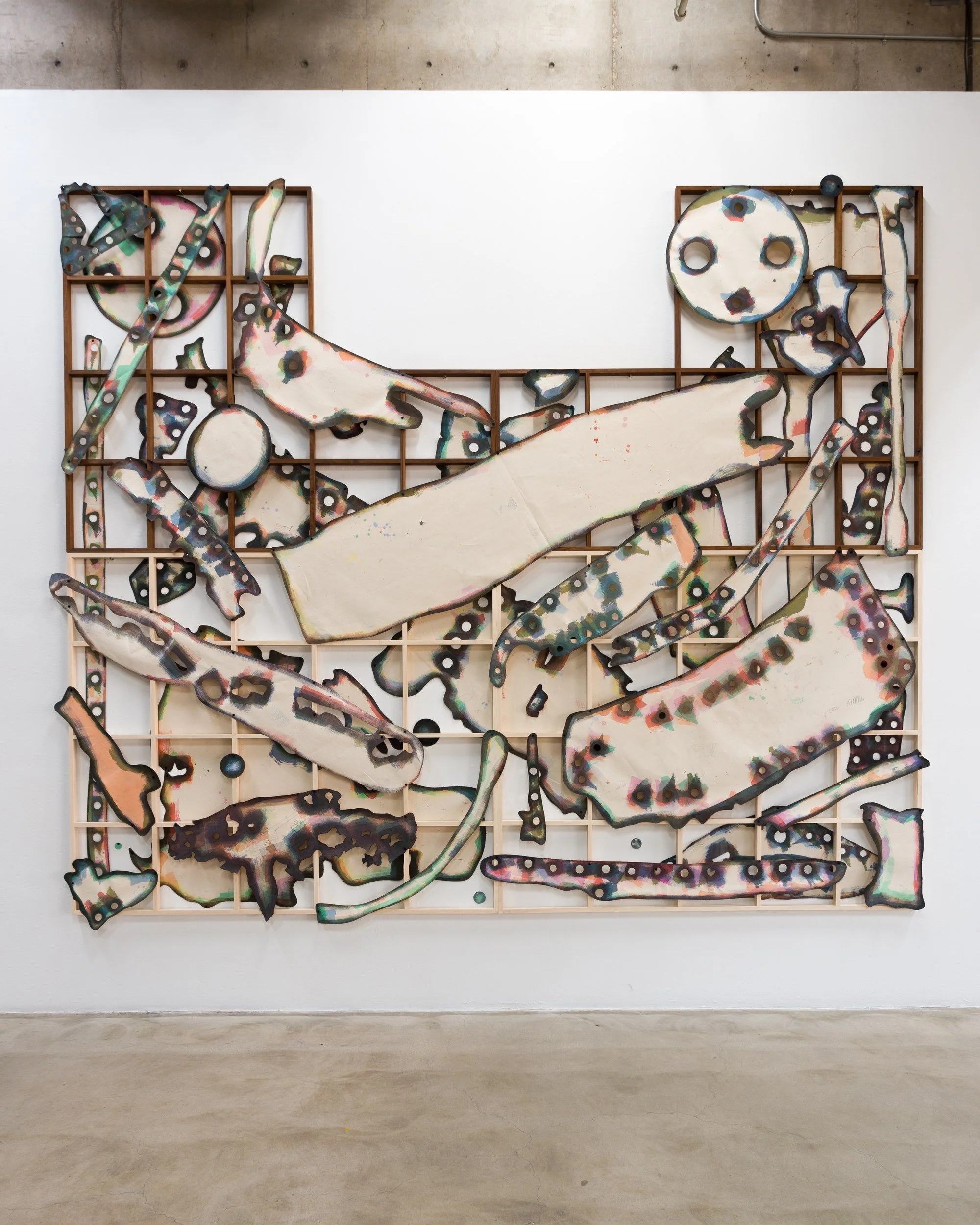
Fantastical Reconstruction: Stencils, 2019 — Stencils of the Epine GY7 fragments, layered on a wooden grid
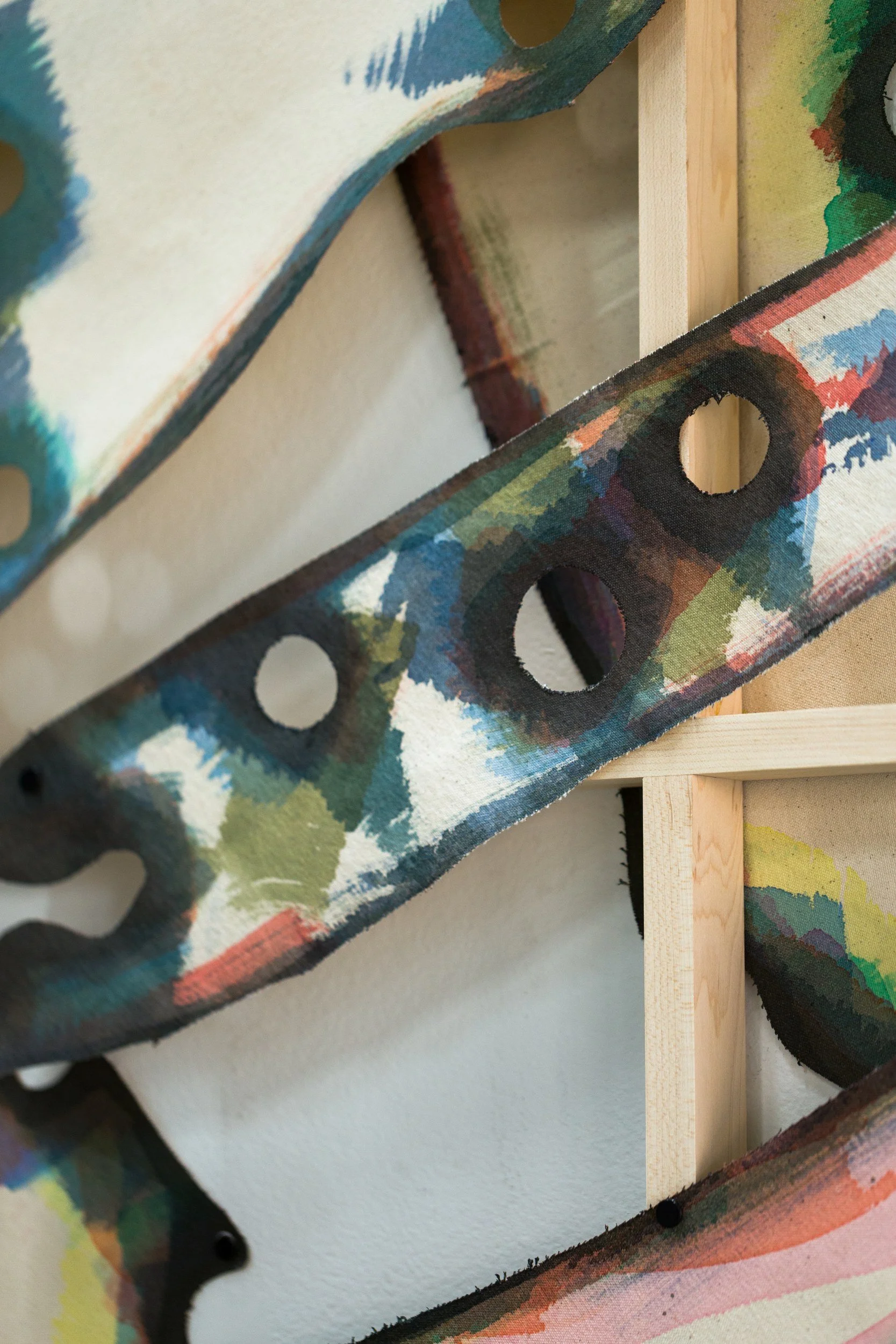
Fantastical Reconstruction: Stencils, 2019 (detail)
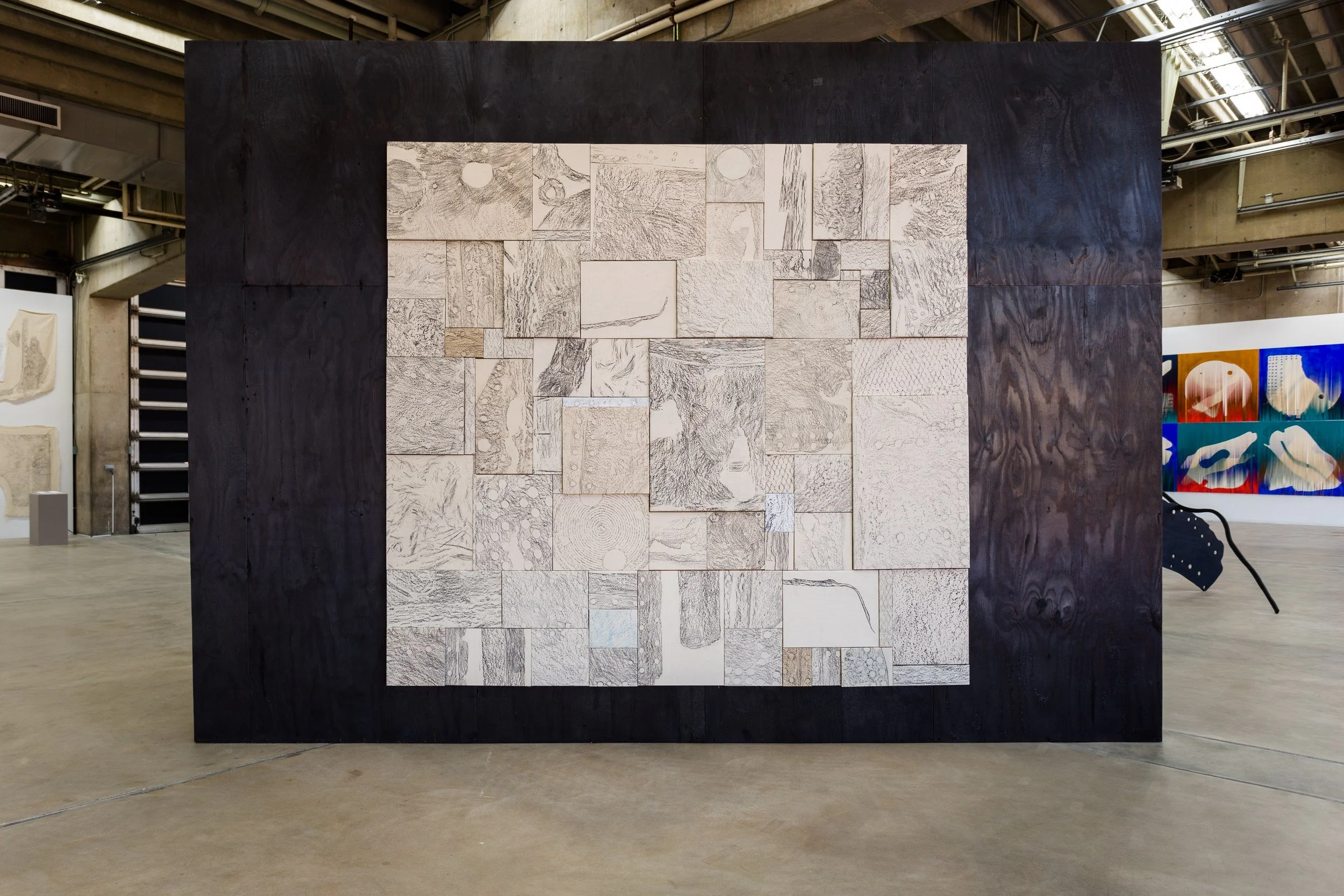
Original Rubbings of the Epine GY7, 2018–2019 — Stretched canvas rubbings
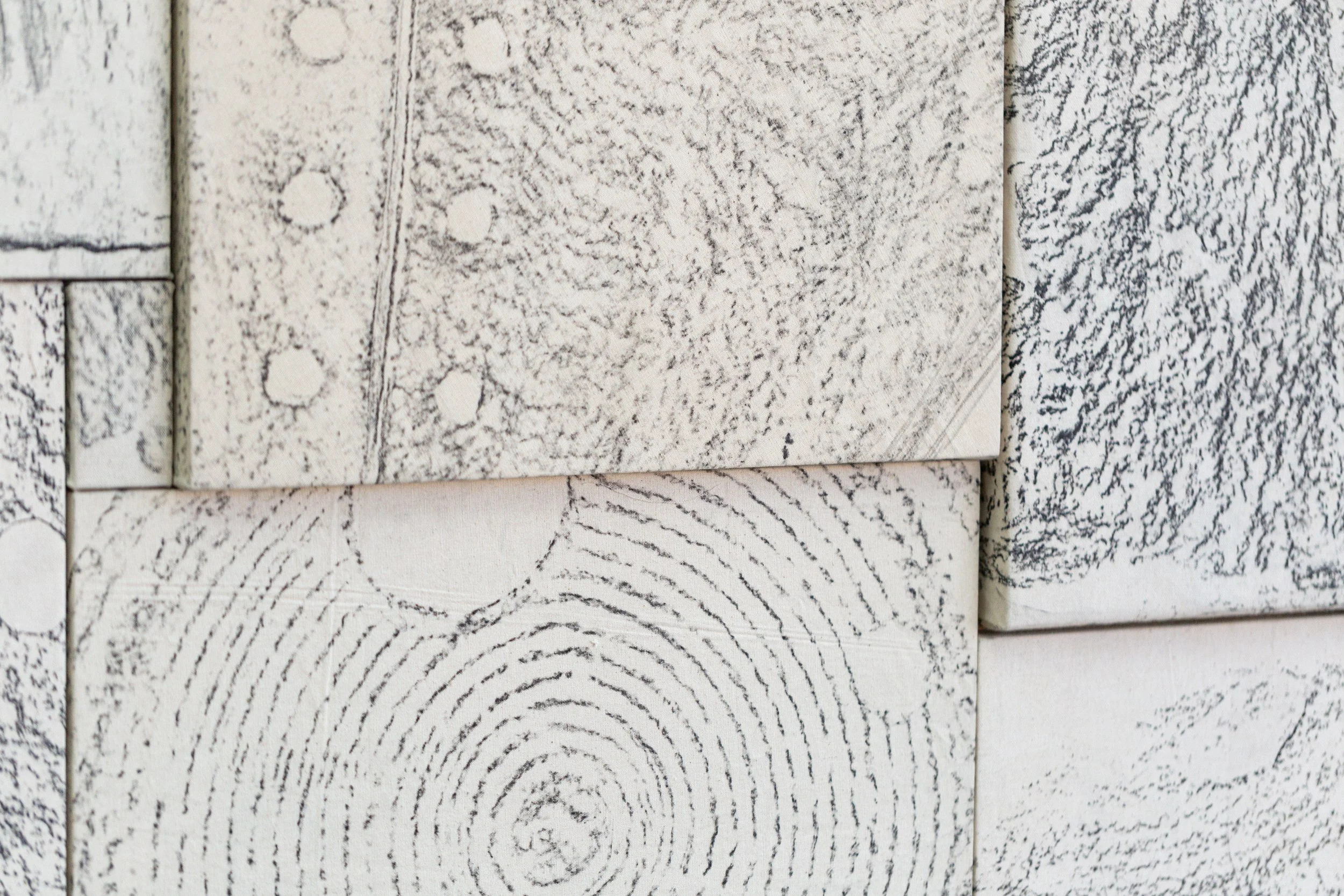
Original Rubbings of the Epine GY7, 2018–2019 (detail)
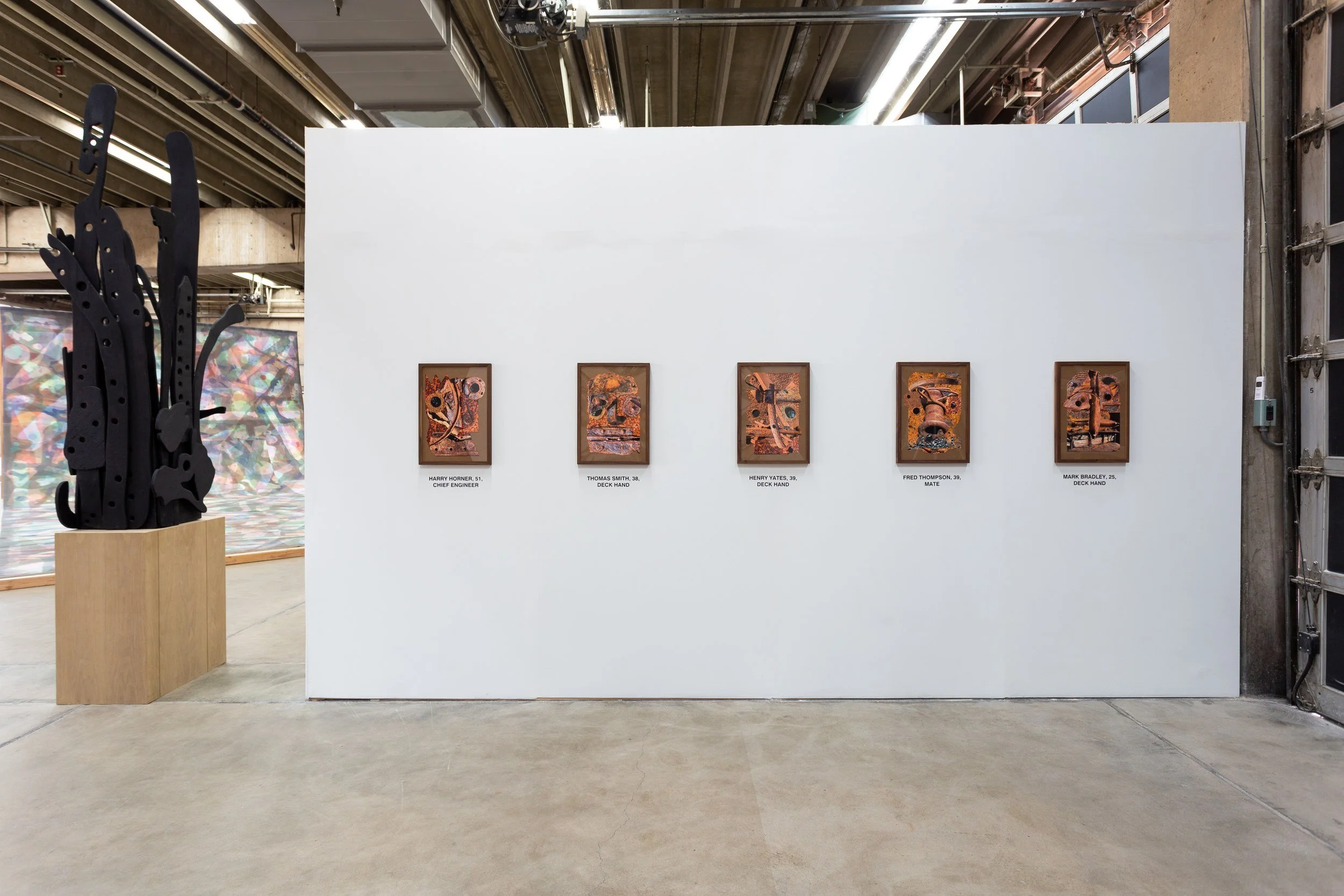
Portraits of Survivors in Rust, 2019 — Installation view
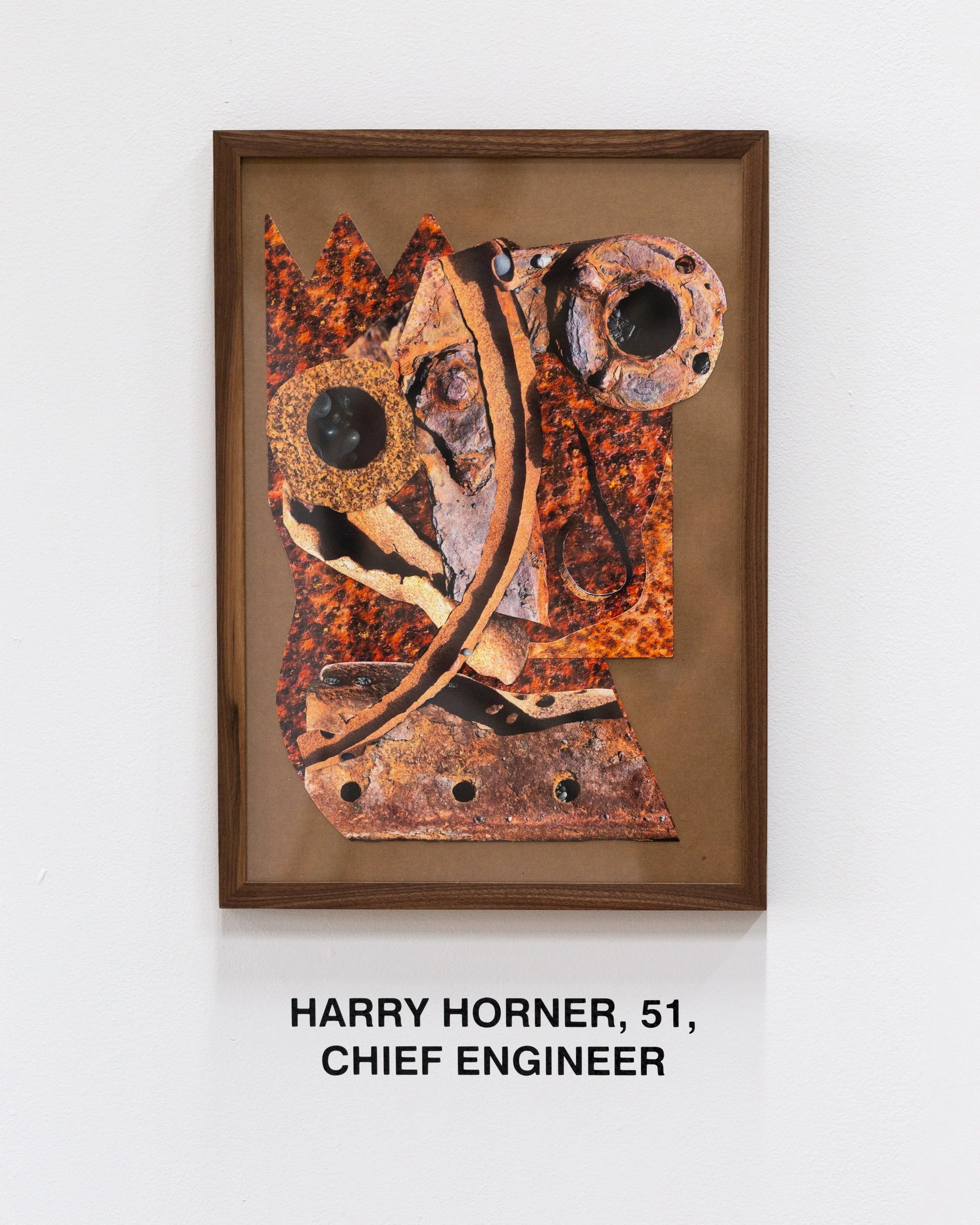
Portraits of Survivors in Rust: Harry Horner, 51, Chief Engineer, 2019 — Cut and collaged photographs of the rusted fragments of the Epine GY7
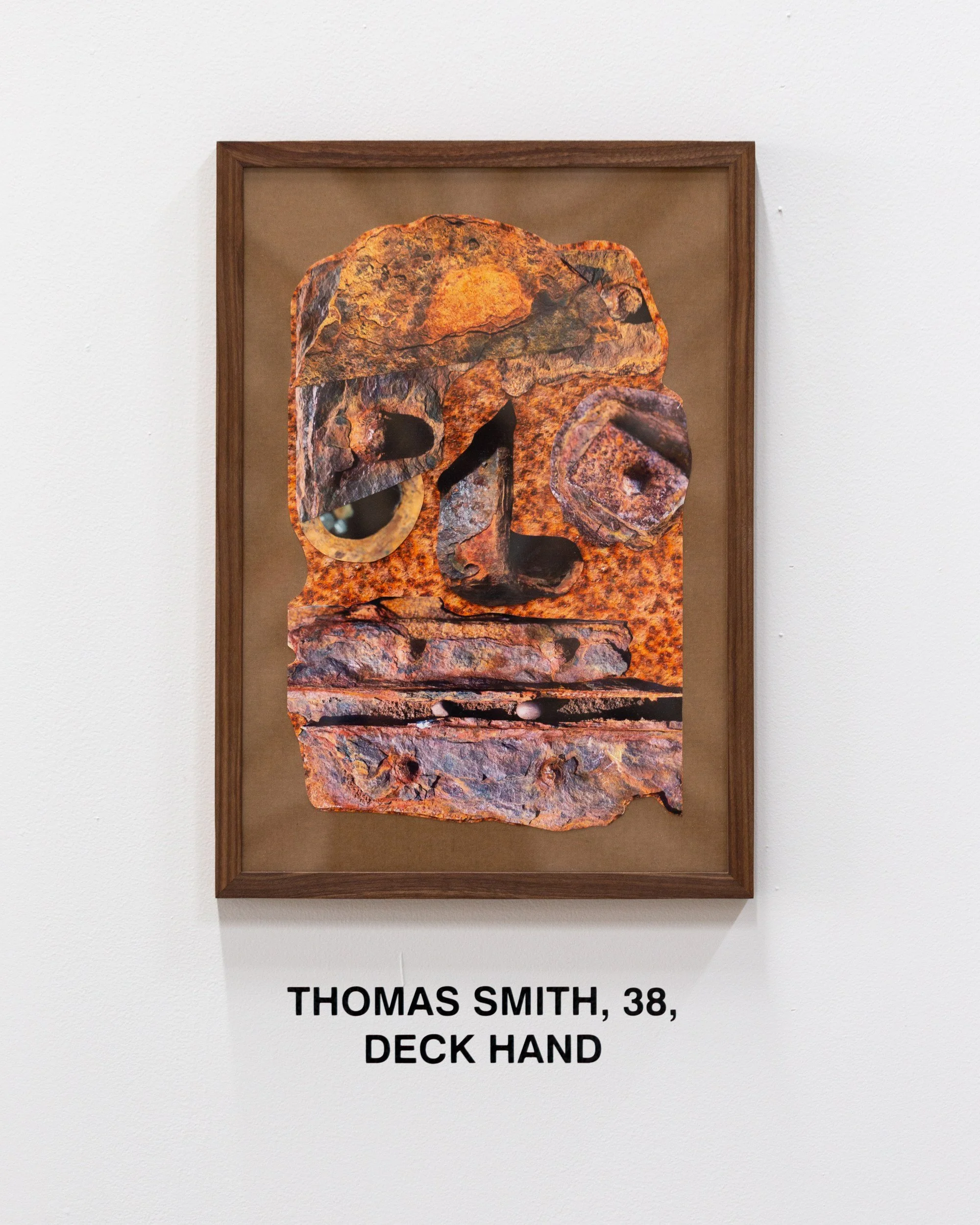
Portraits of Survivors in Rust: Thomas Smith, 38, Deck Hand, 2019
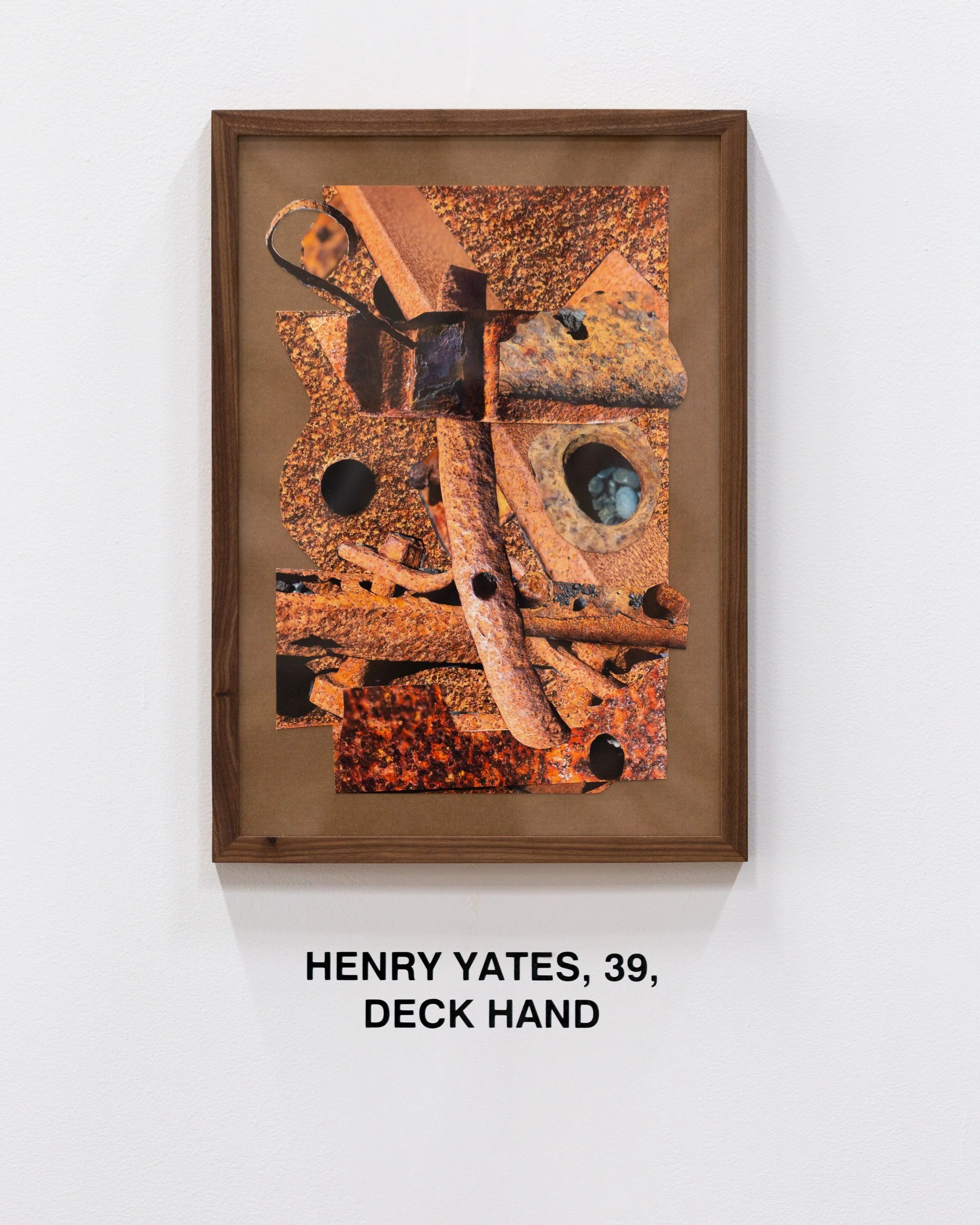
Portraits of Survivors in Rust: Henry Yates, 39, Deck Hand, 2019
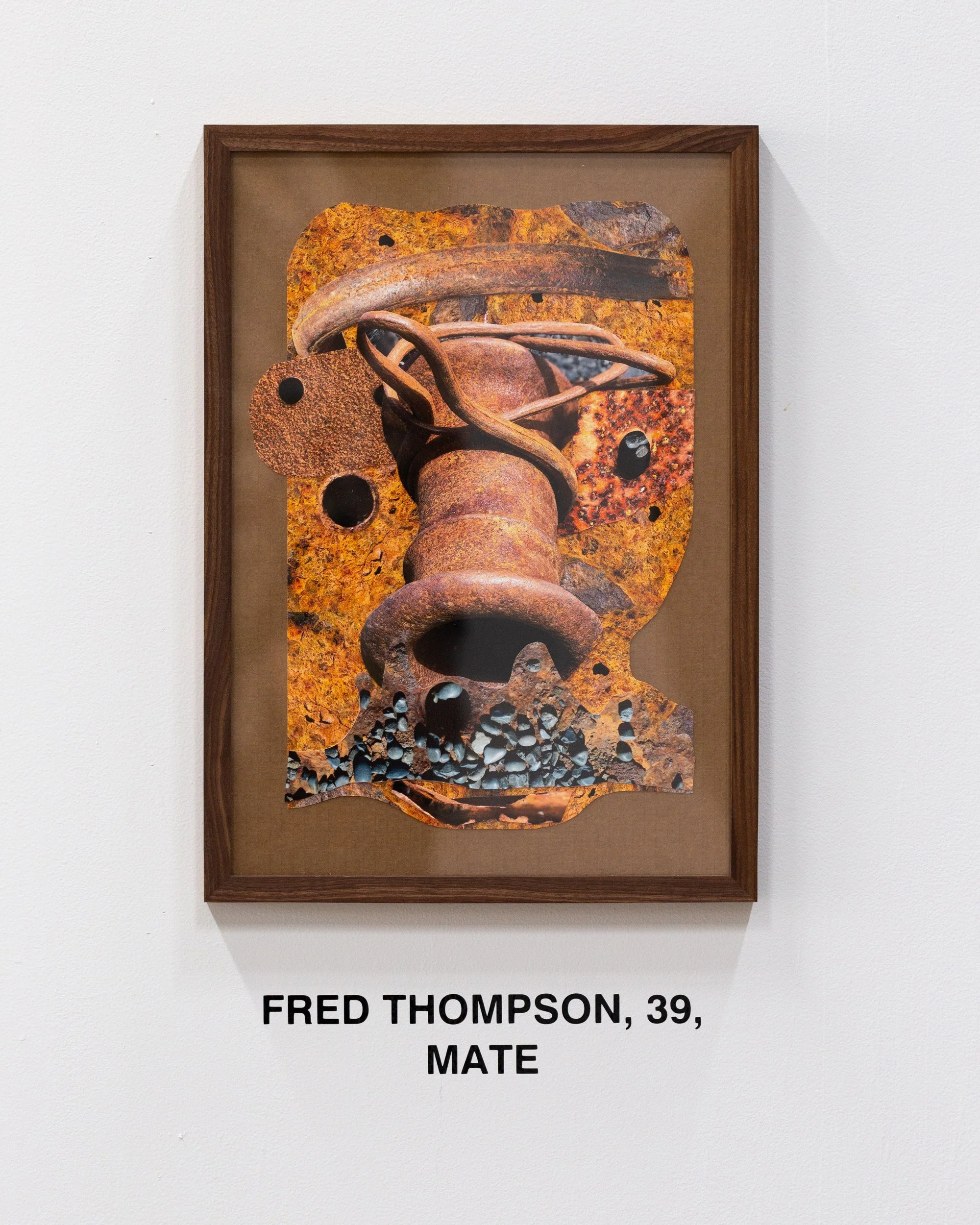
Portraits of Survivors in Rust: Fred Thompson, 39, Mate, 2019
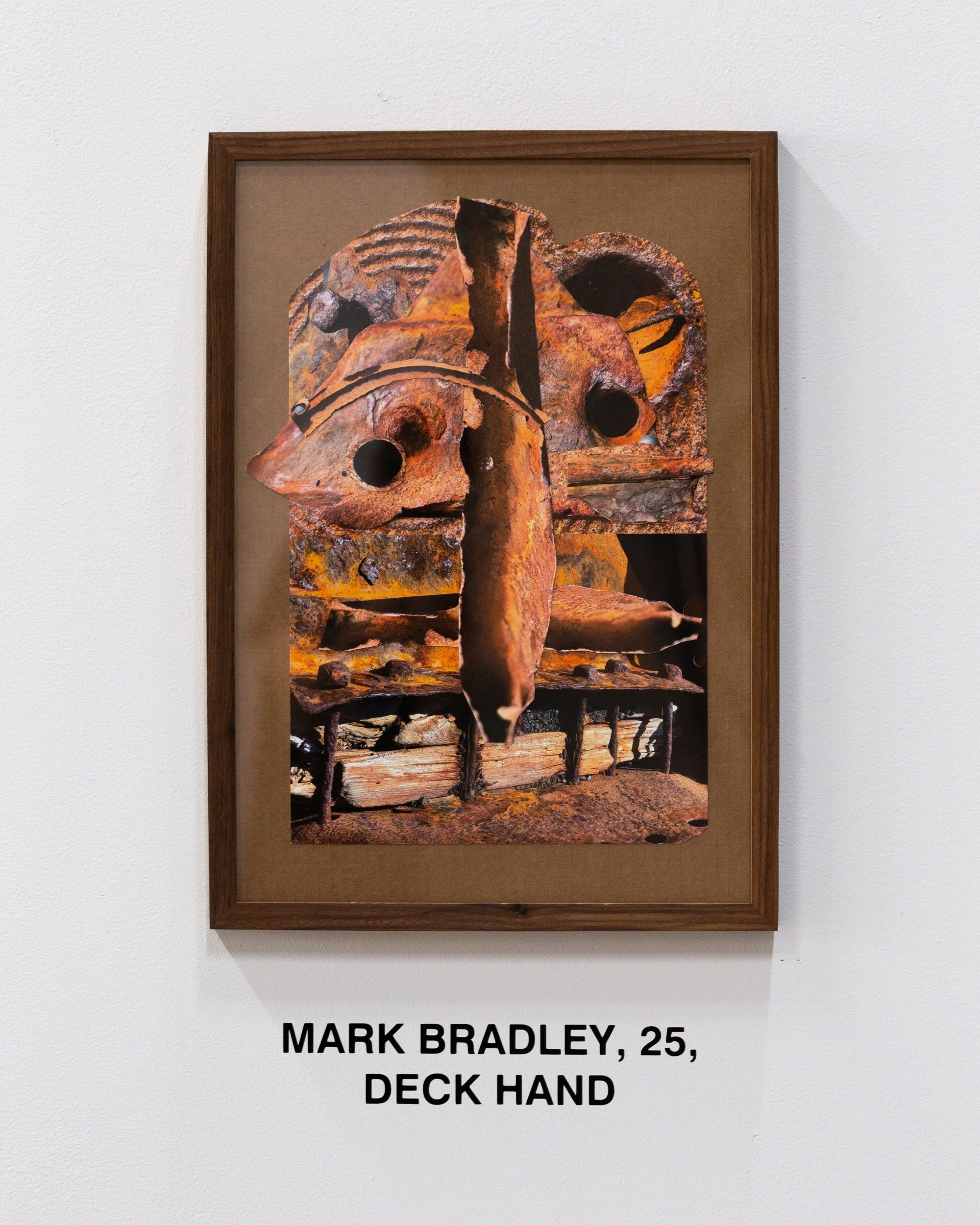
Portraits of Survivors in Rust: Mark Bradley, 25, Deck Hand, 2019
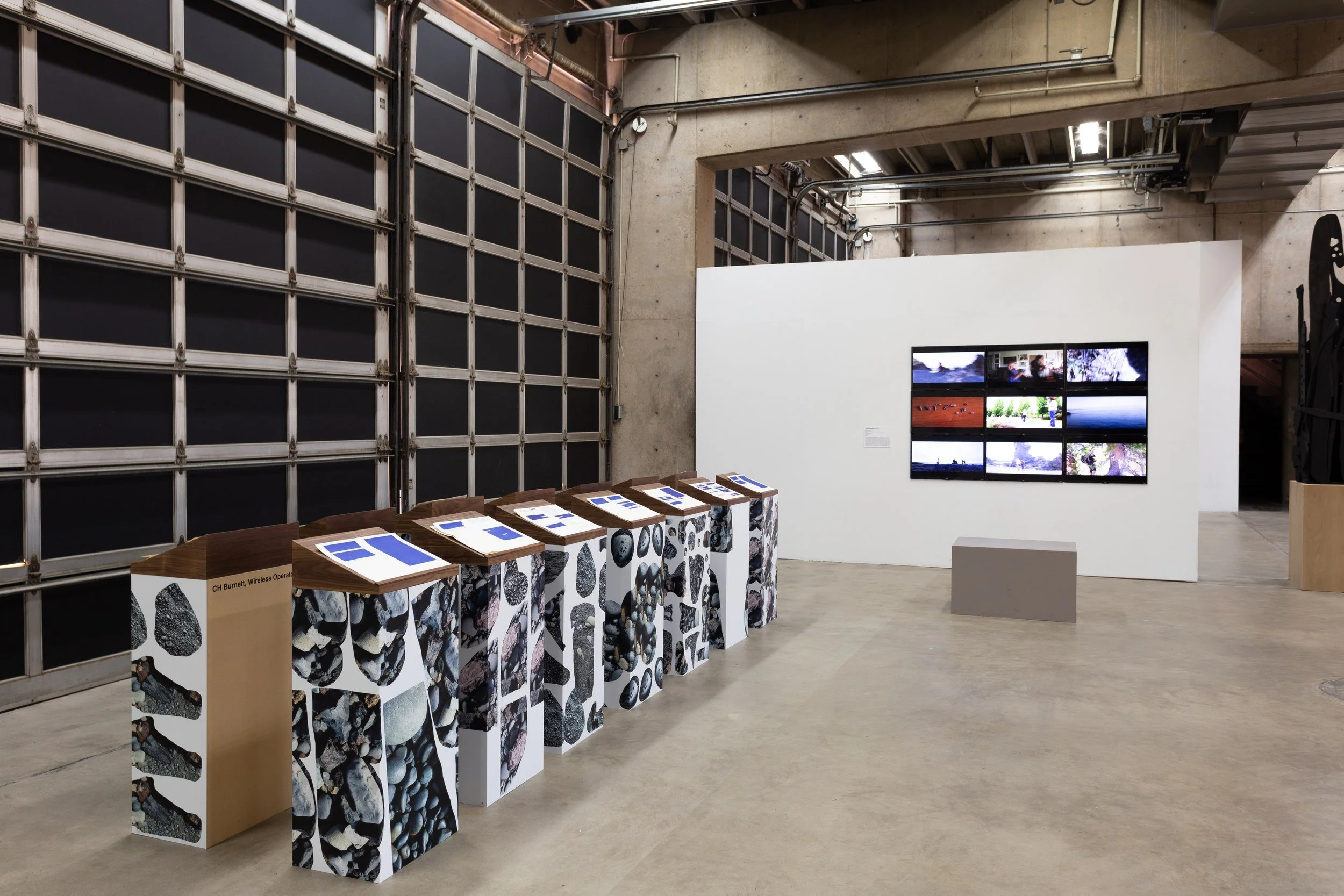
Podiums for the Dead and Wind Sounds — Installation view
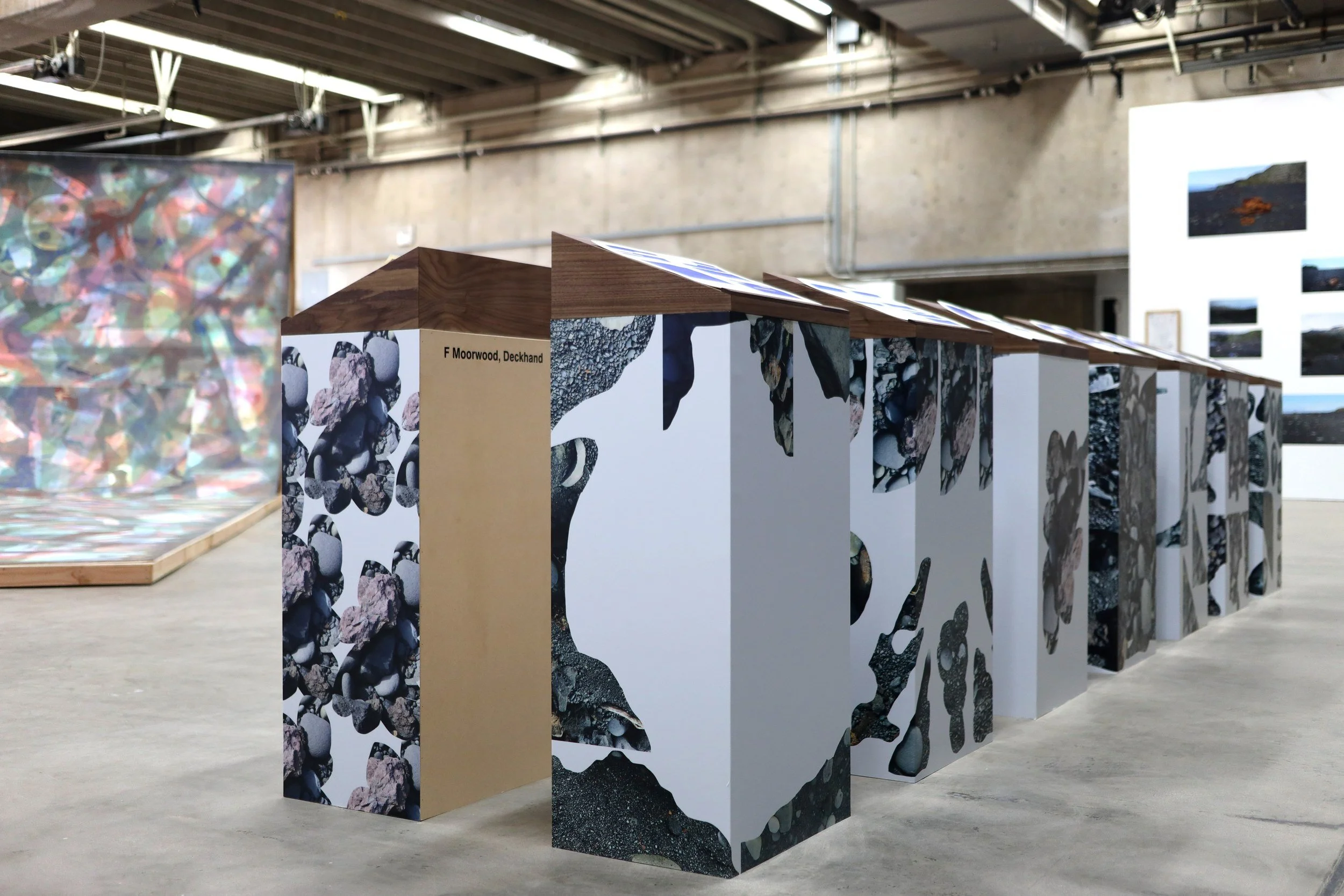
Podiums for the Dead, 2019 — Fourteen podiums for the fourteen men who drowned, holding redacted transcripts of the tapes recorded for Afterglow
Podiums for the Dead, 2019 (detail)
Podiums for the Dead, 2019 (detail)
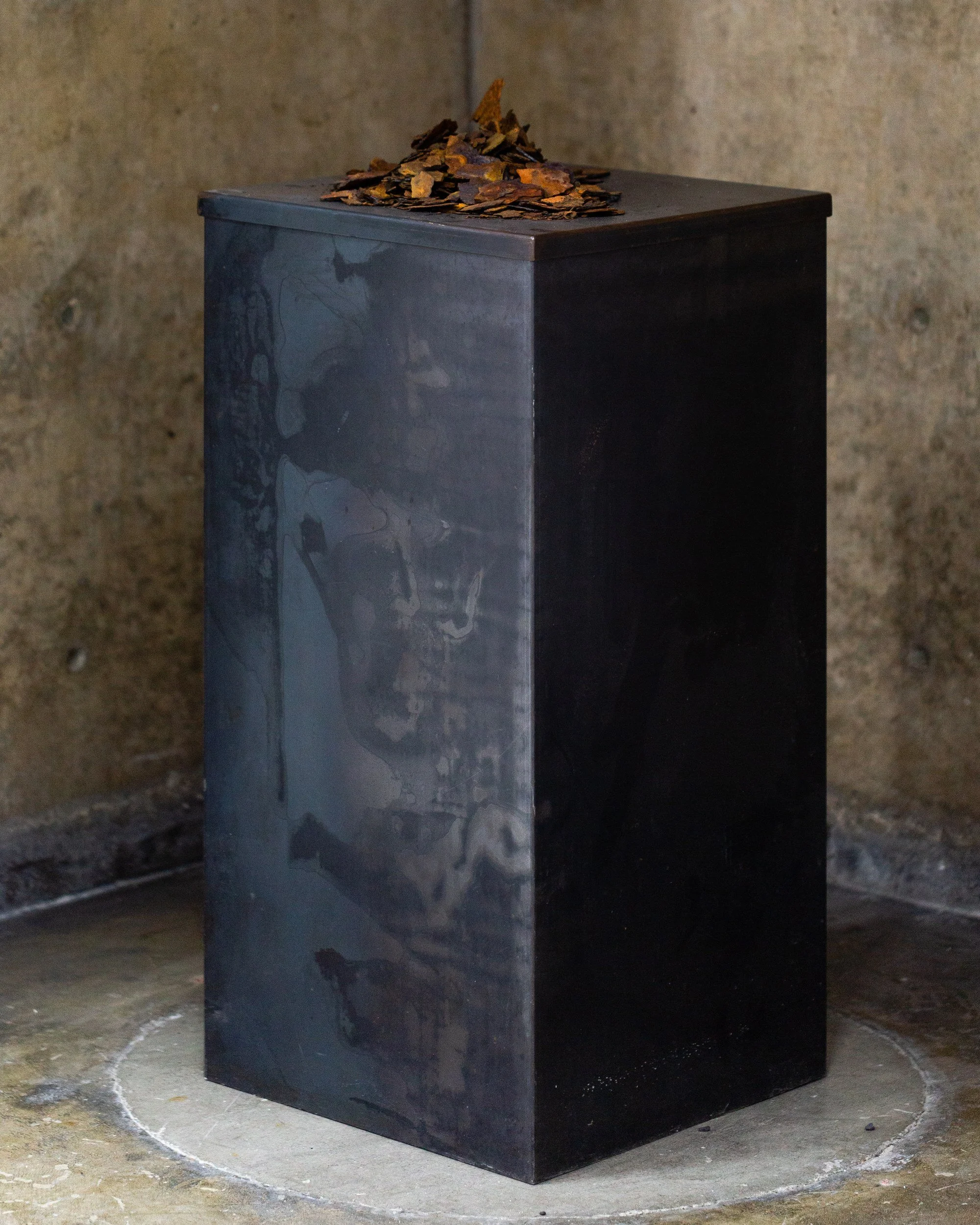
Rust fragments from the beach at Djúpalónssandur, on plinth
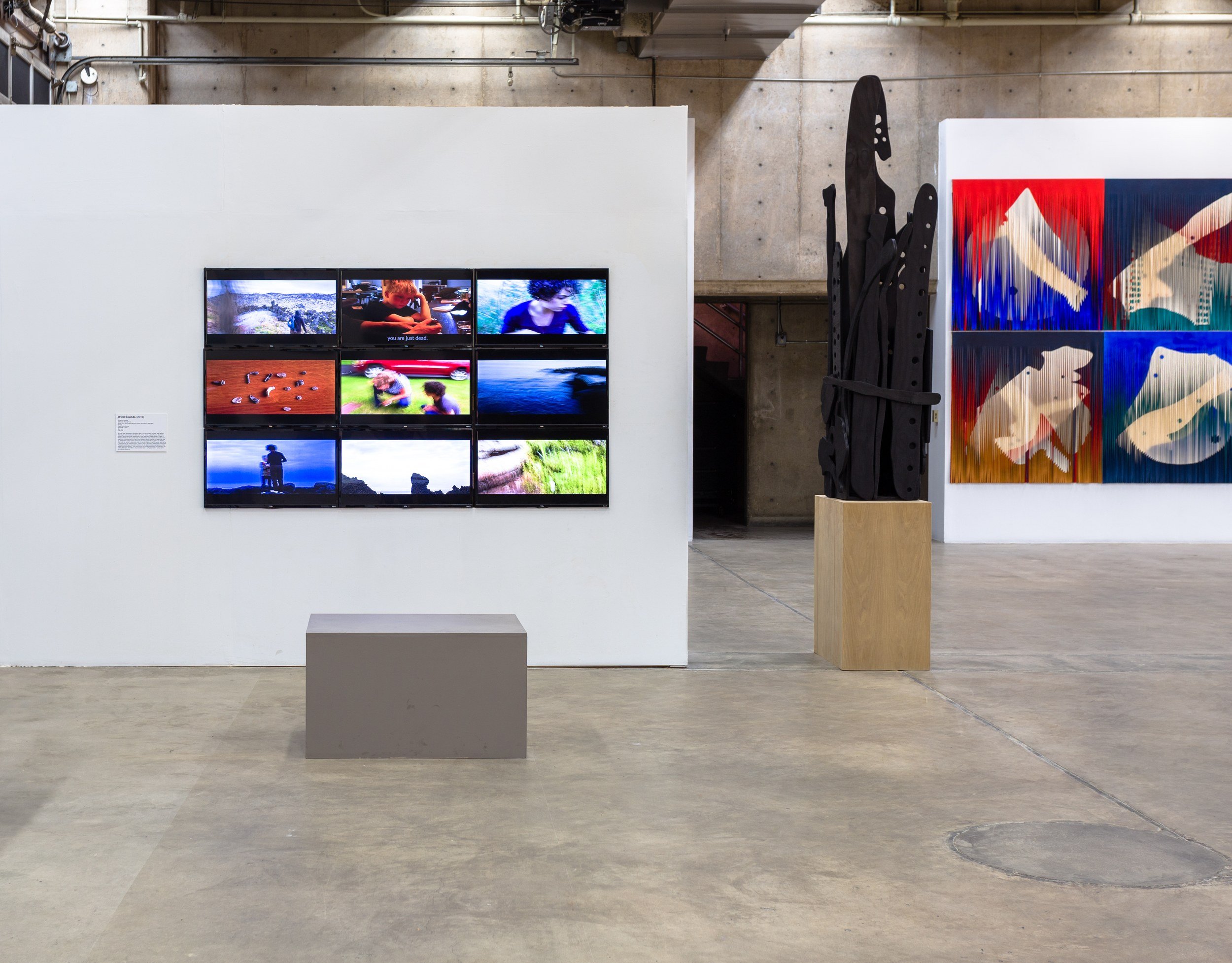
Wind Sounds, 2009/2019 — Nine-screen video of scenes from Afterglow
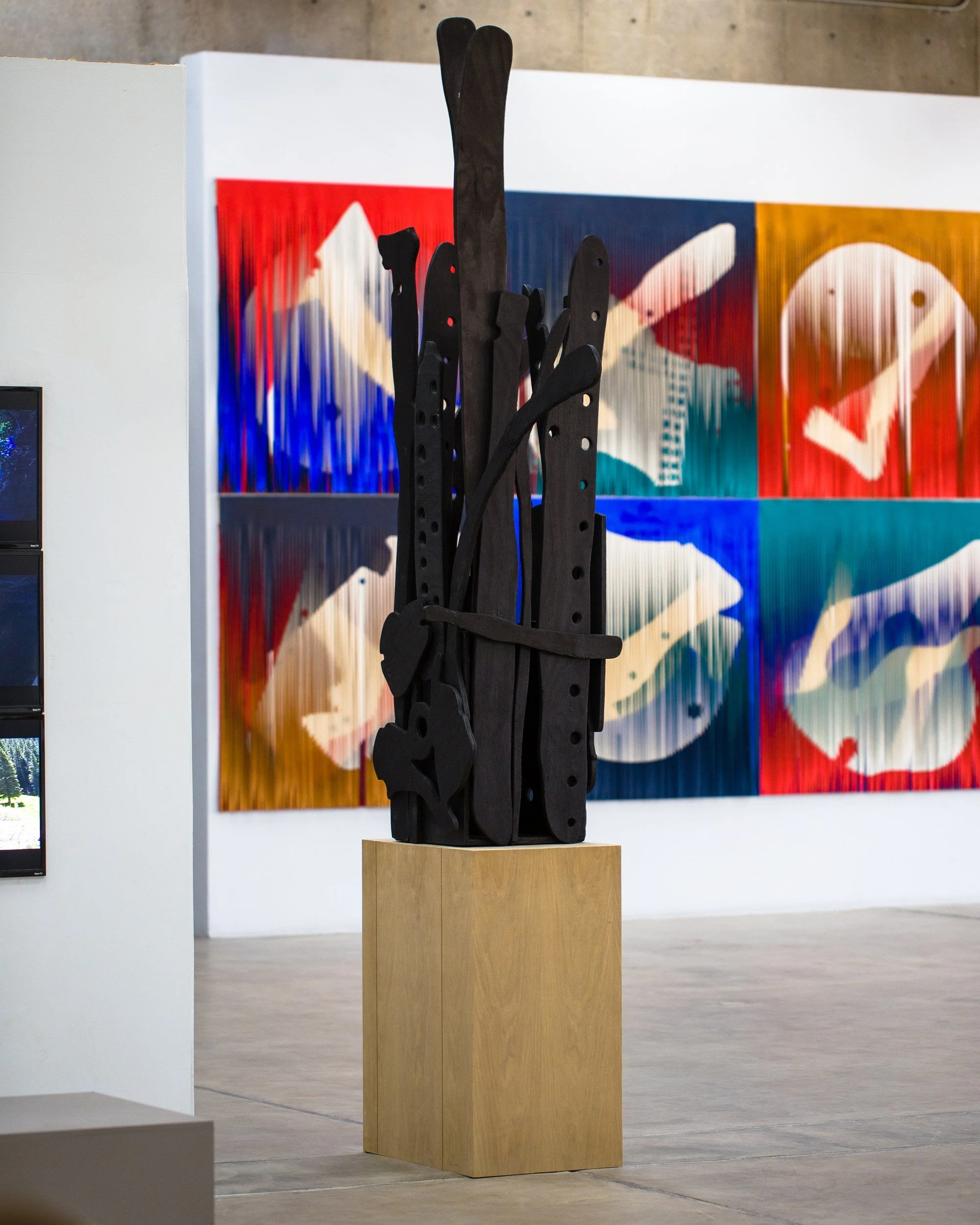
Charred Oak Fragments on Oak Plinth, 2019 — Charred wooden fragments of the Epine GY7
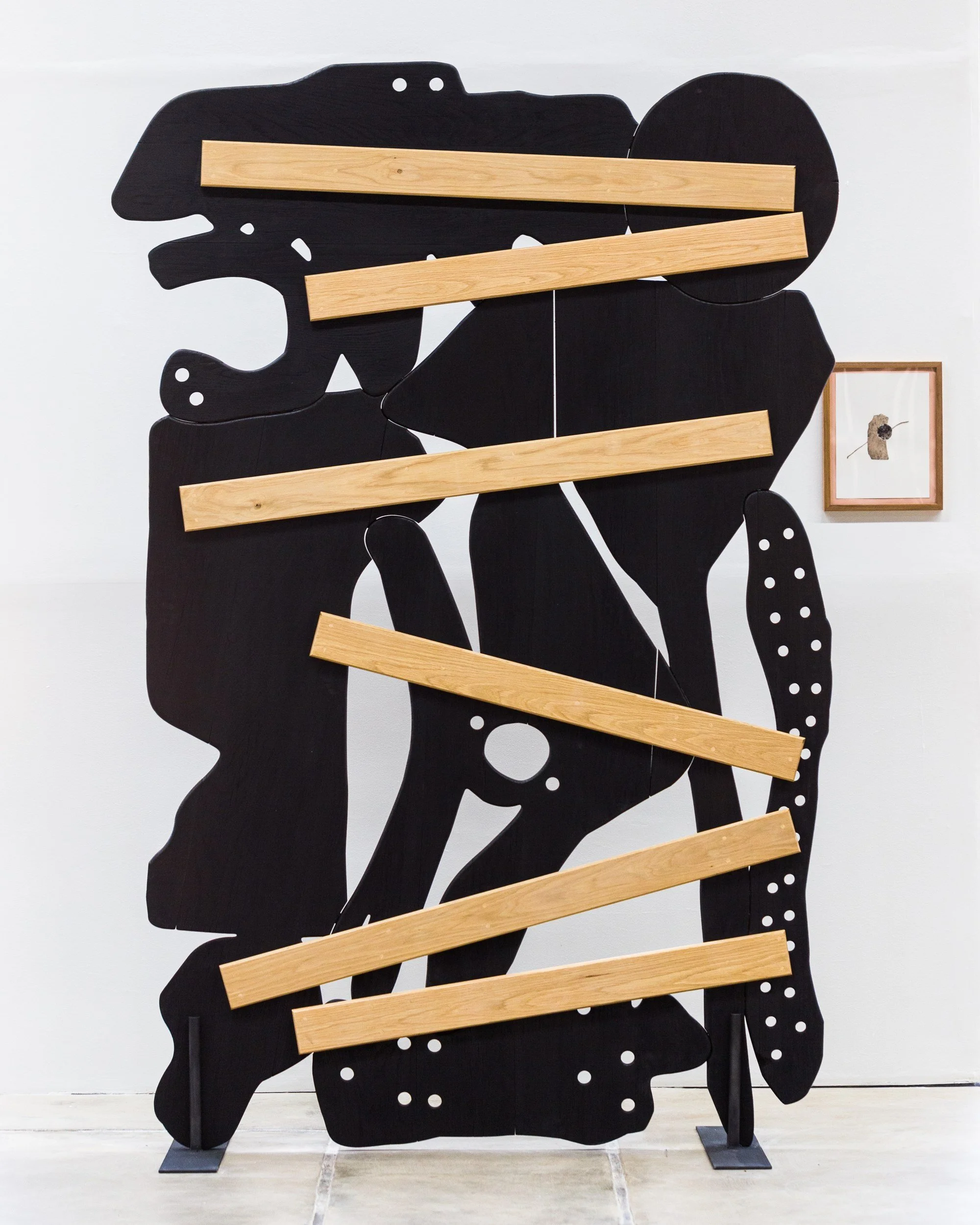
Charred Oak Fragments Screen, 2019
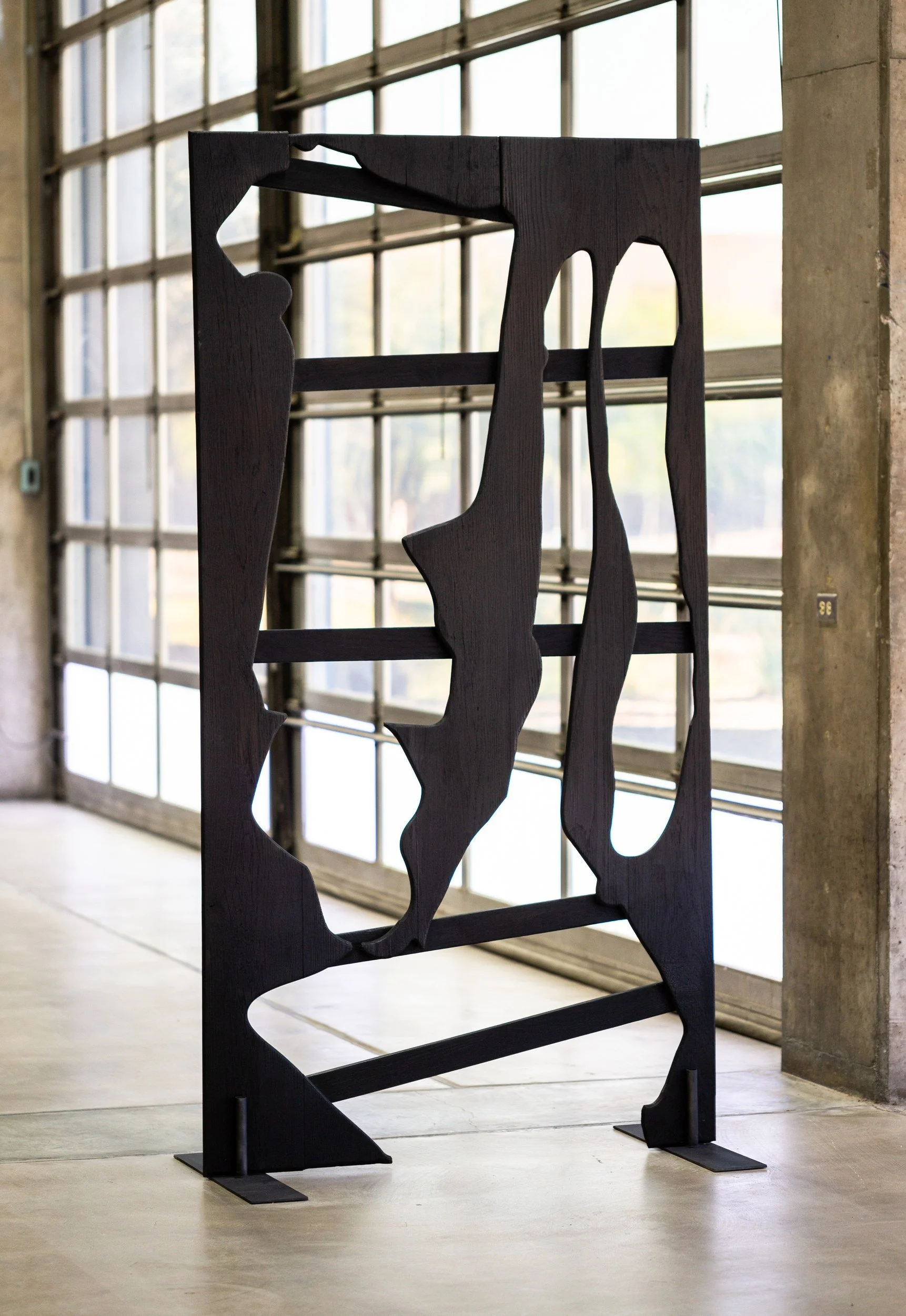
Charred Oak Negative Screen, 2019
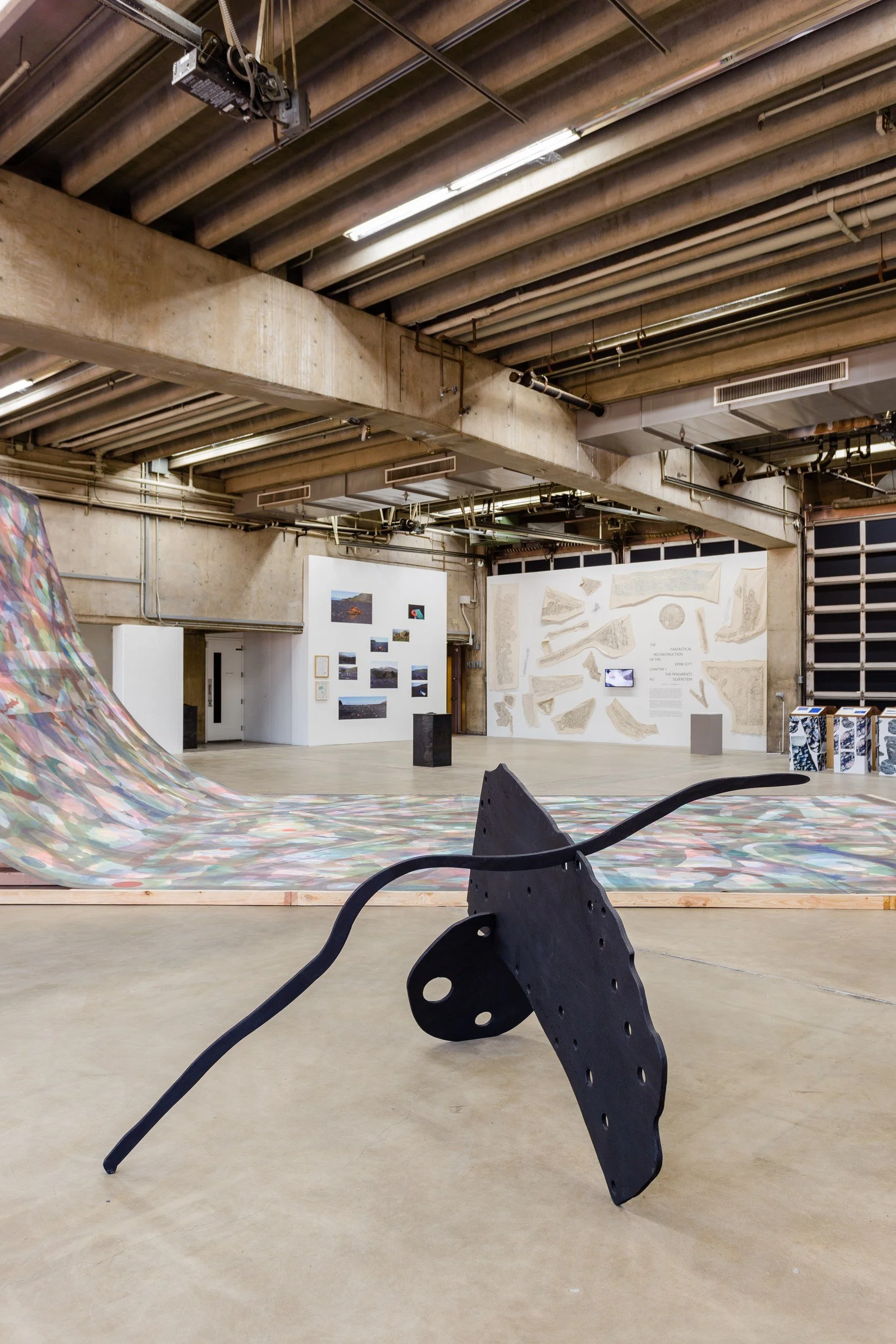
Charred Oak Sculpture, 2019
Wind Sounds
2009/2019. Nine-screen video of scenes from Afterglow, shown at MoCA Tucson.
Press
- No, You Cannot Have the Whole Truth: A Conversation with Ali Silverstein, David Shook, Los Angeles Review of Books, November 15, 2019
- Memento Mori, Margaret Regan, Tucson Weekly, December 5, 2019
- Exhibition page, Museum of Contemporary Art Tucson